Hong Kong Aesthetic
2015-present
35mm film
When you dream about Hong Kong, what do you see?
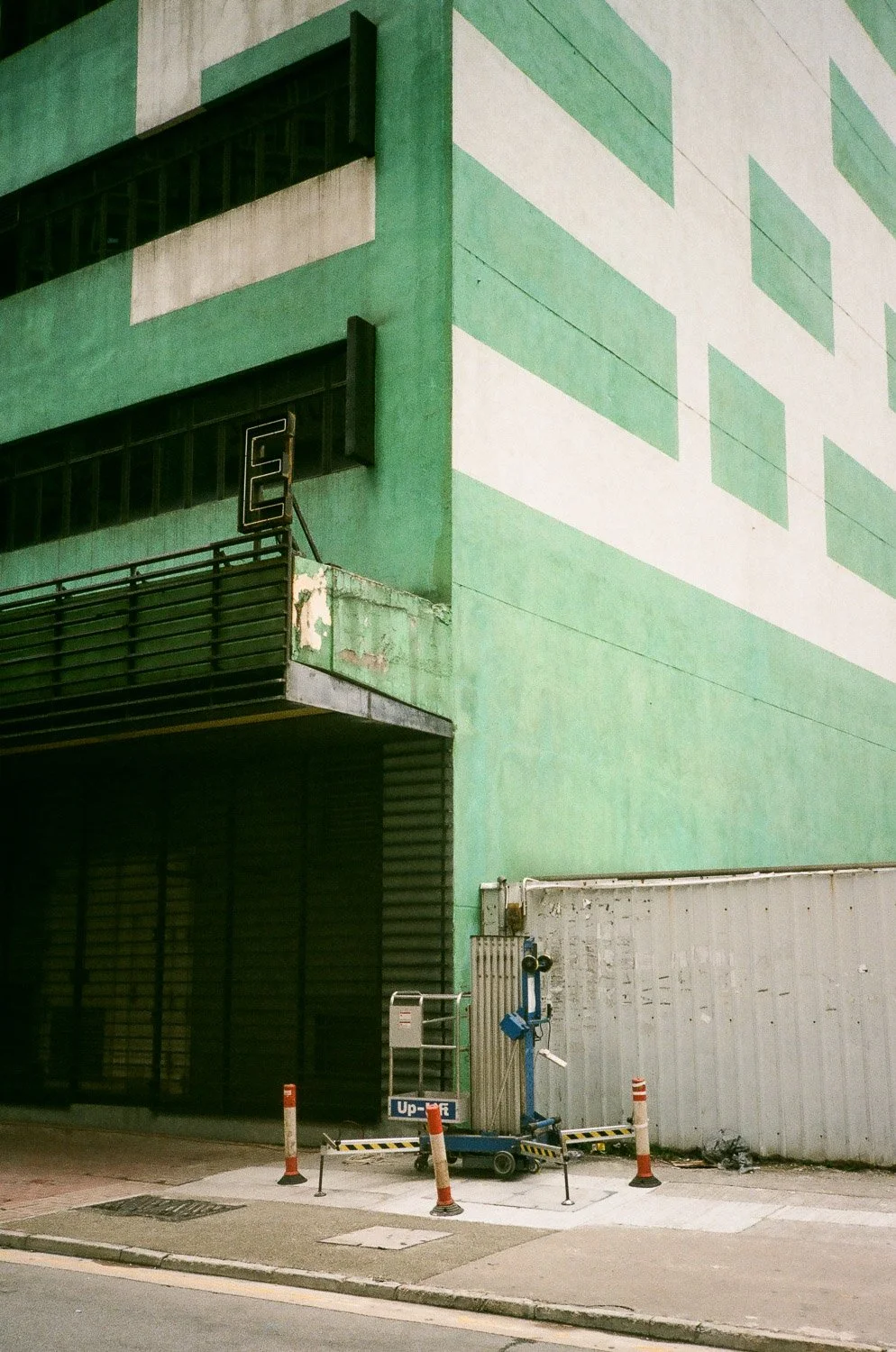
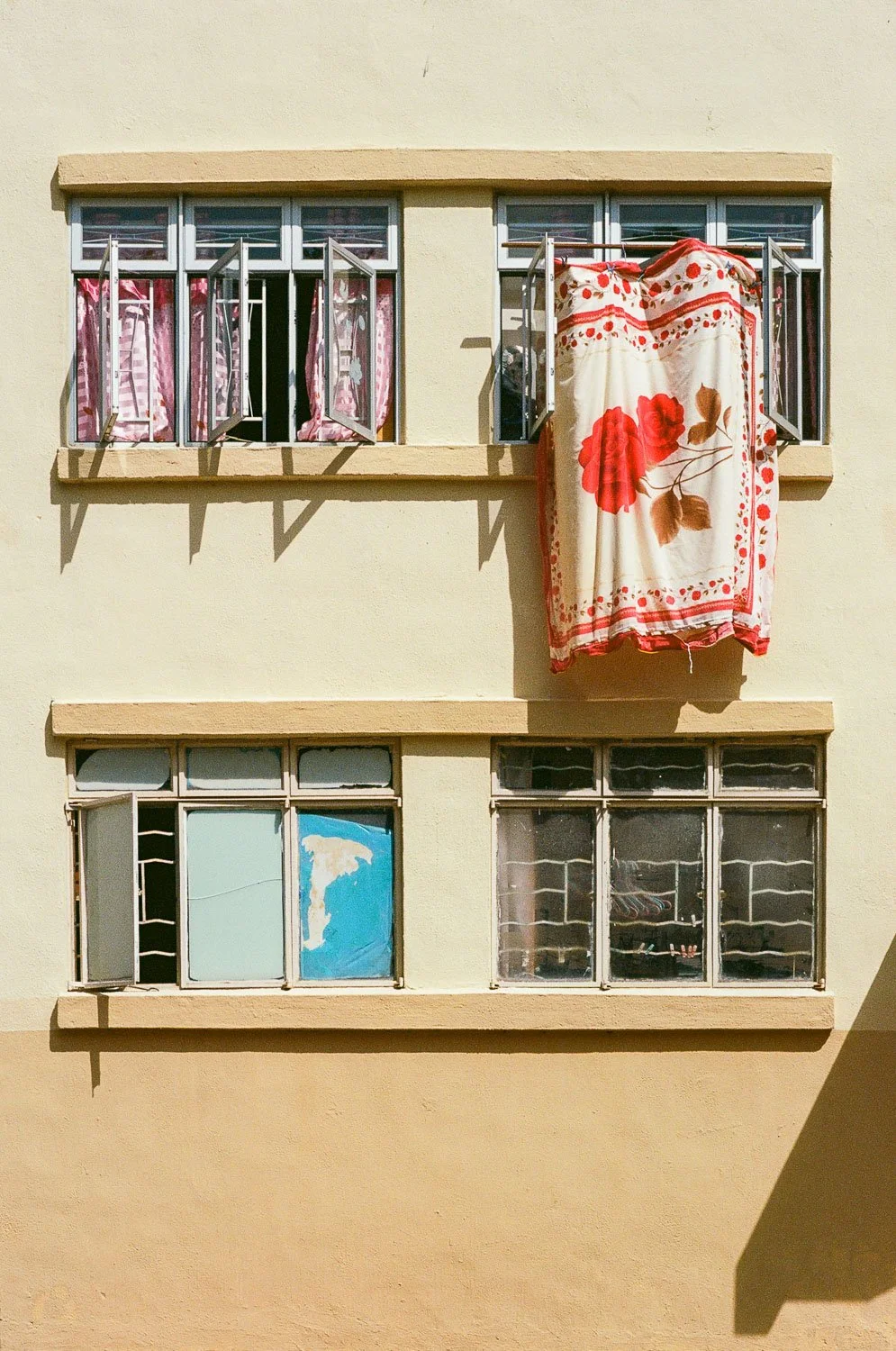
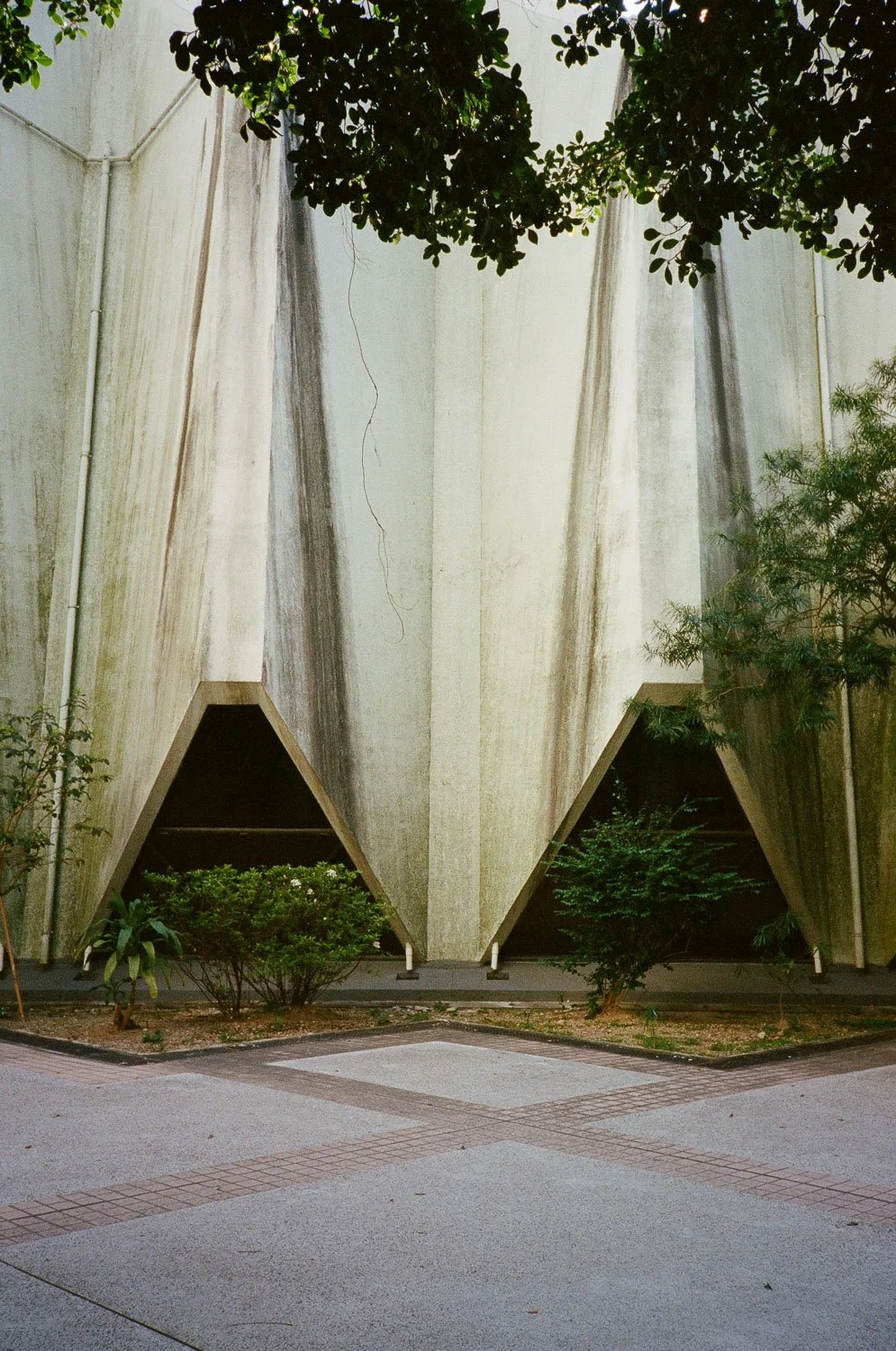
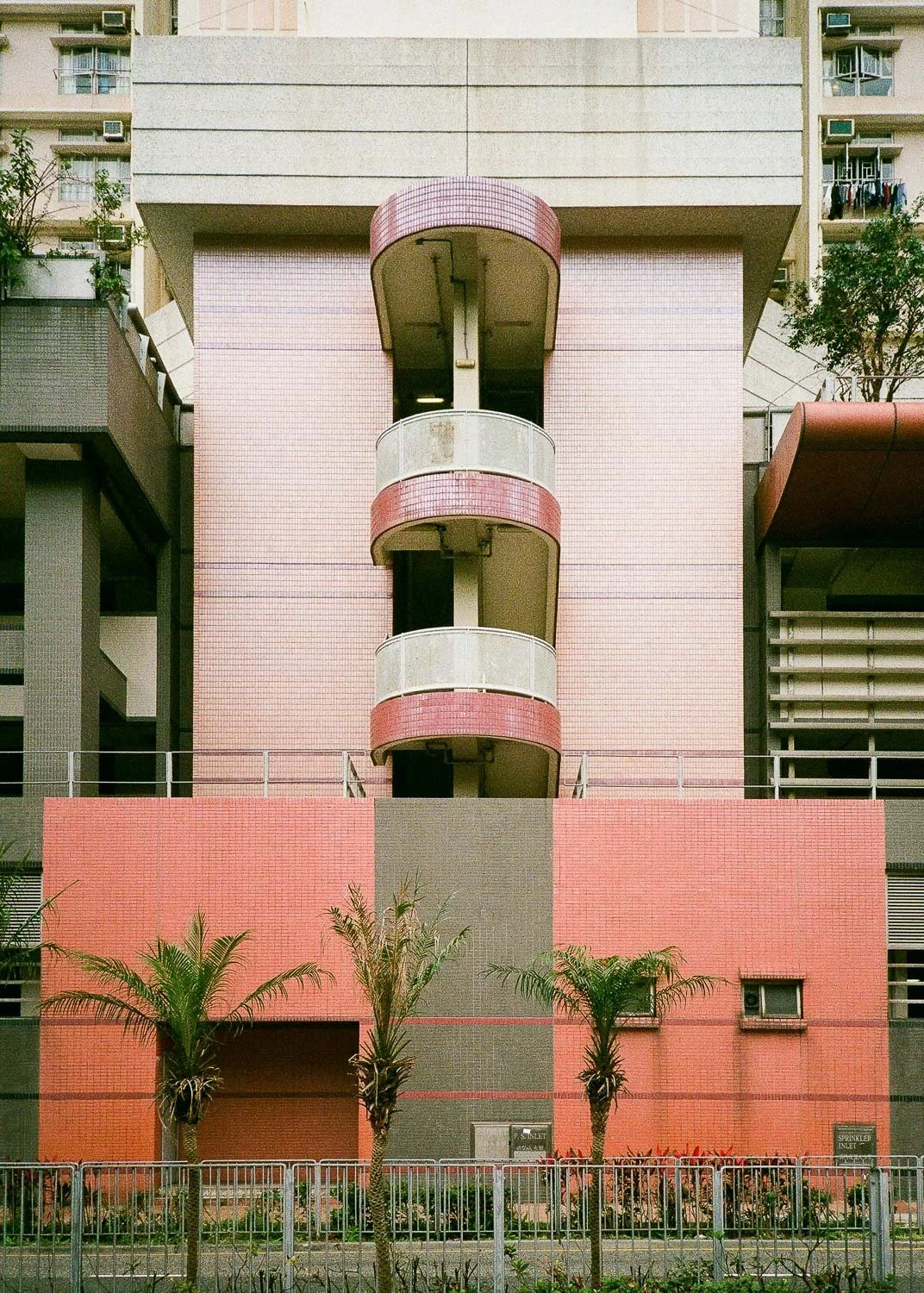
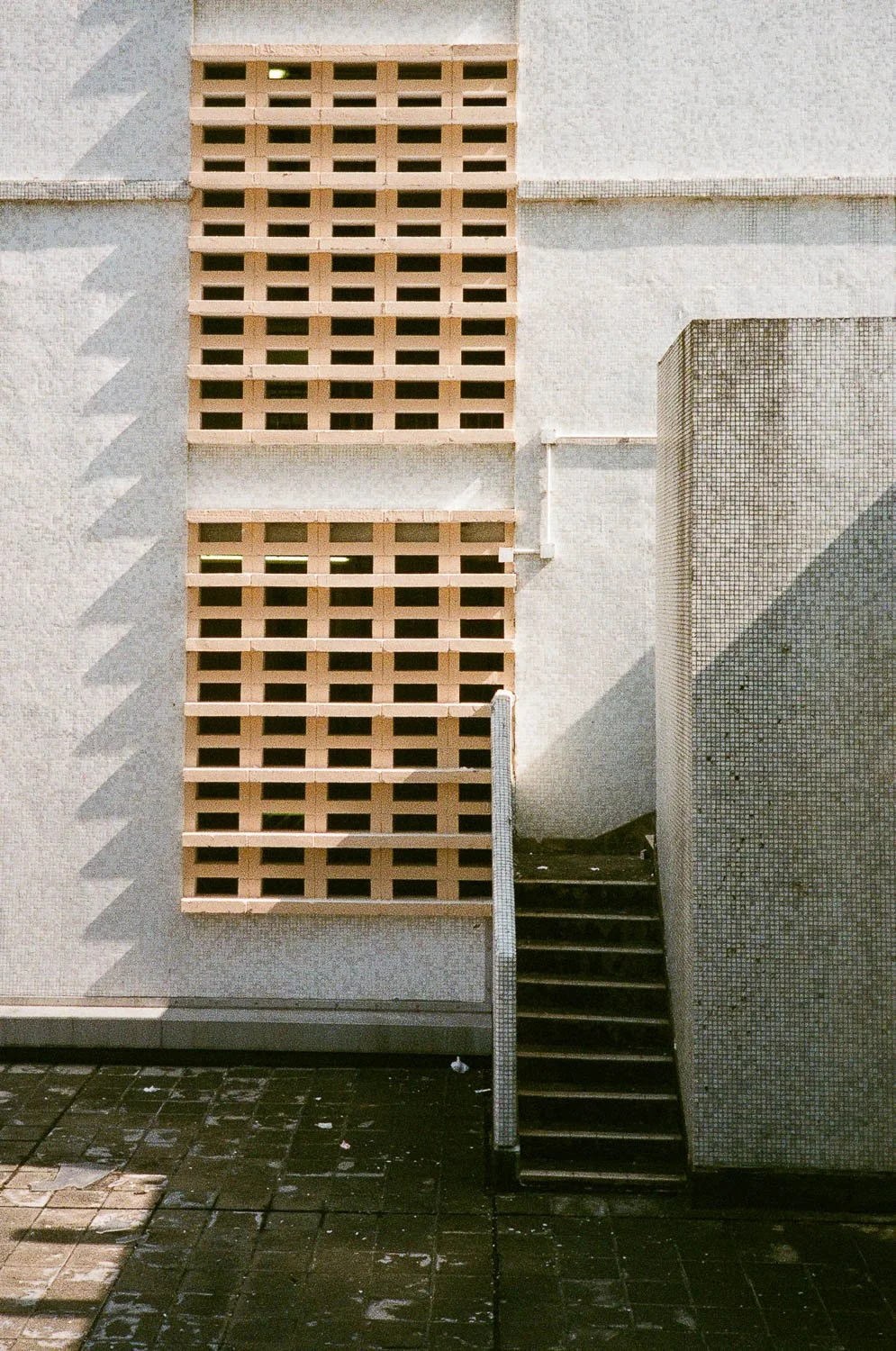
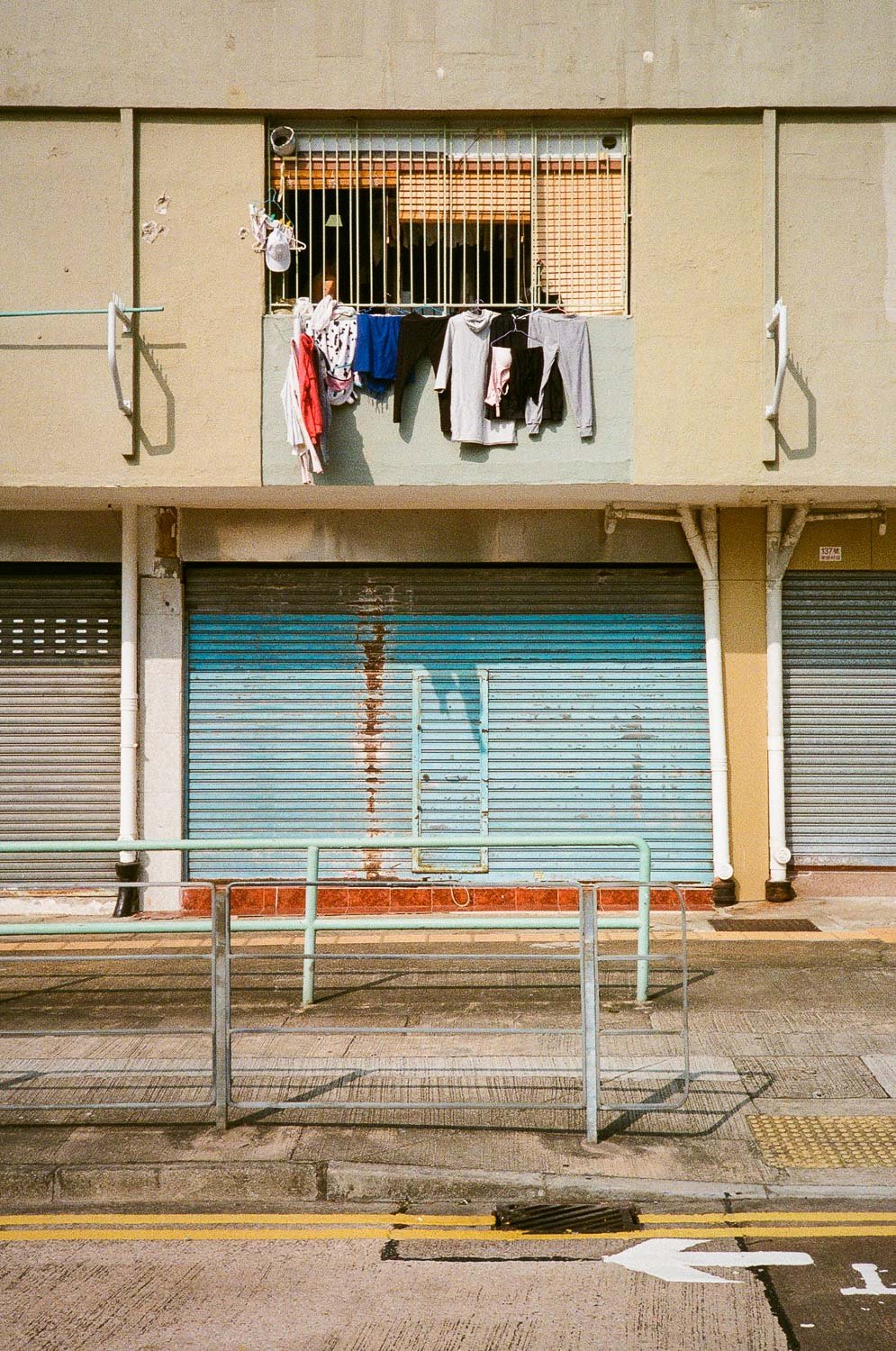
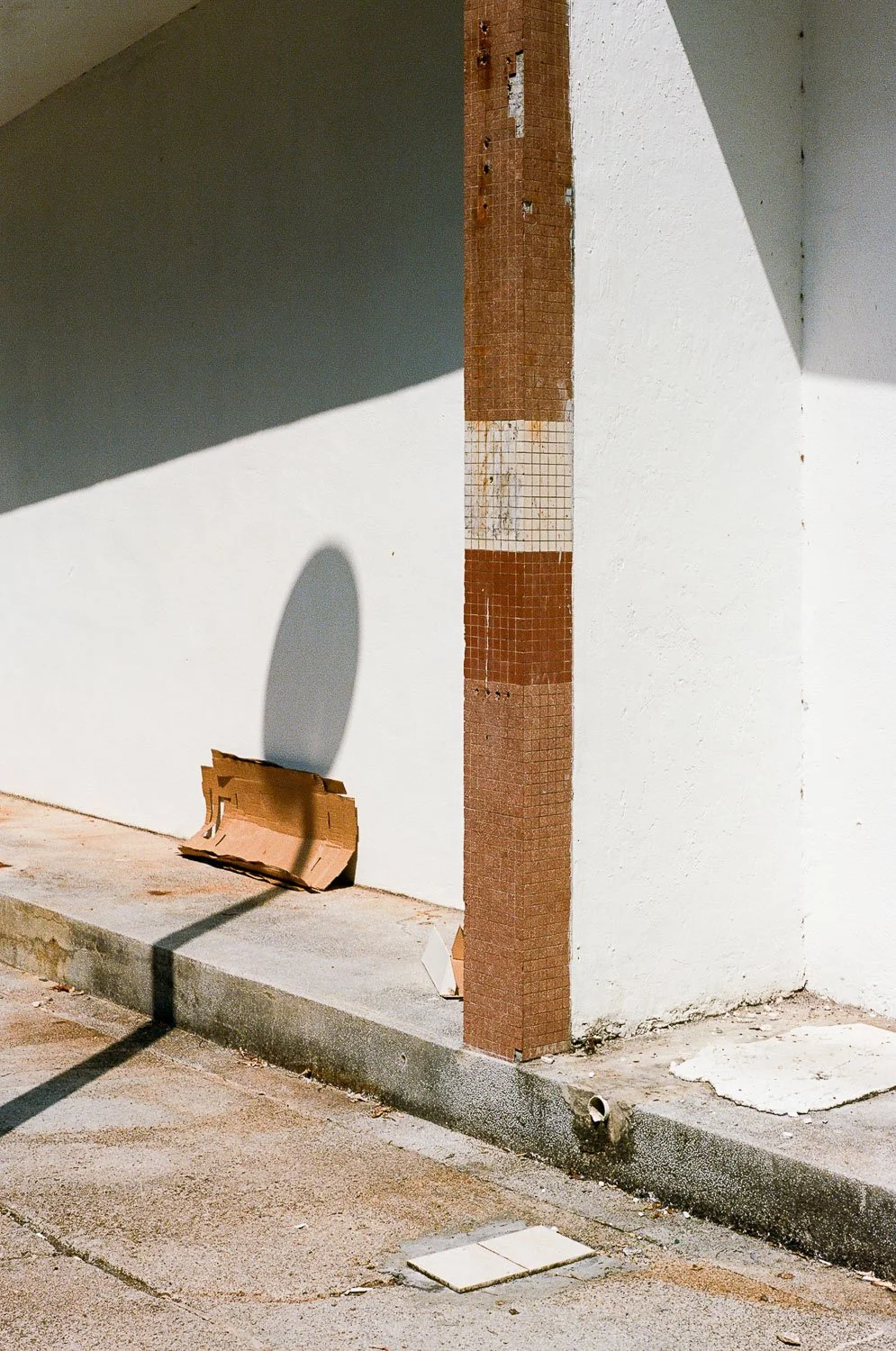
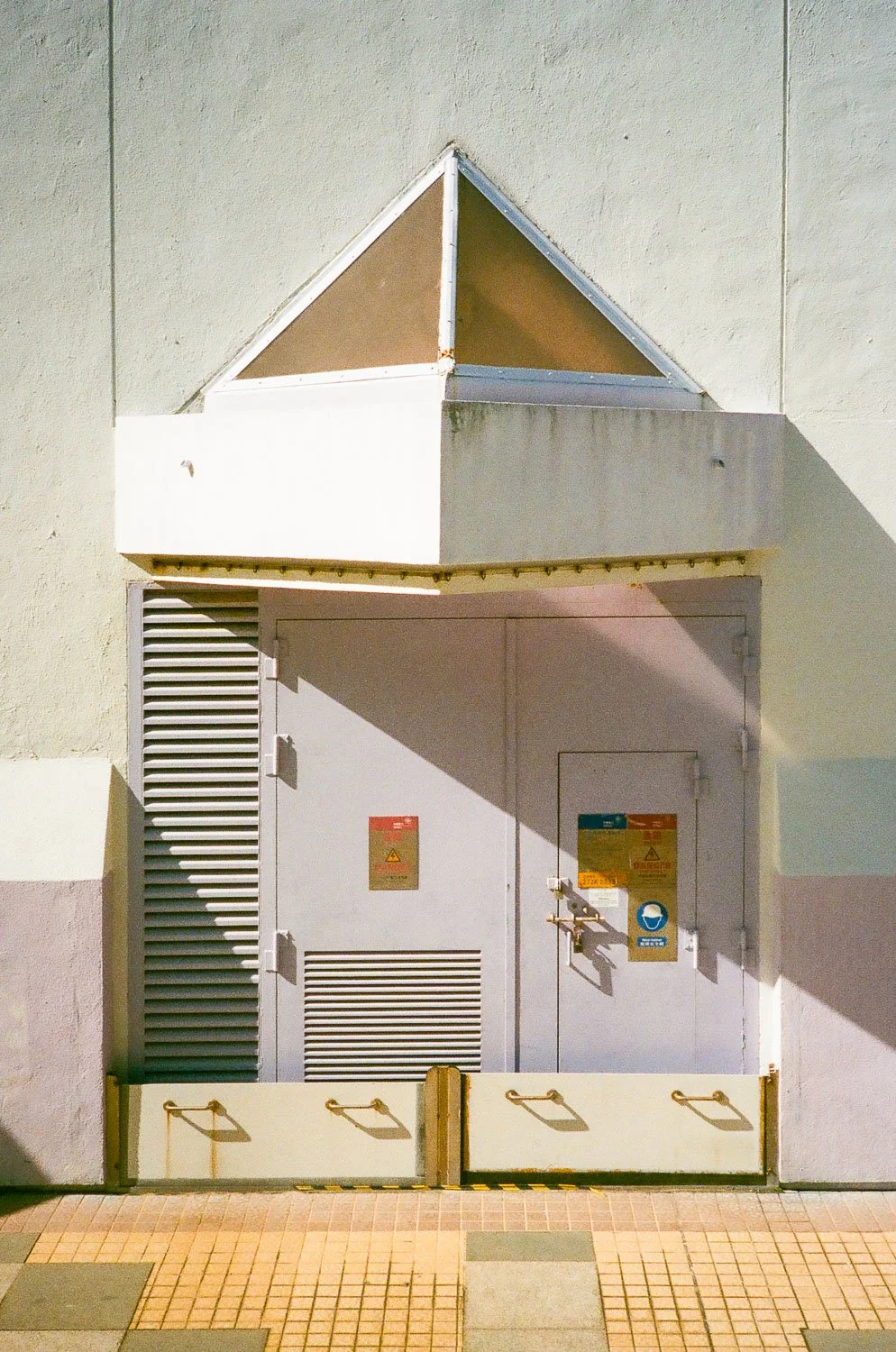
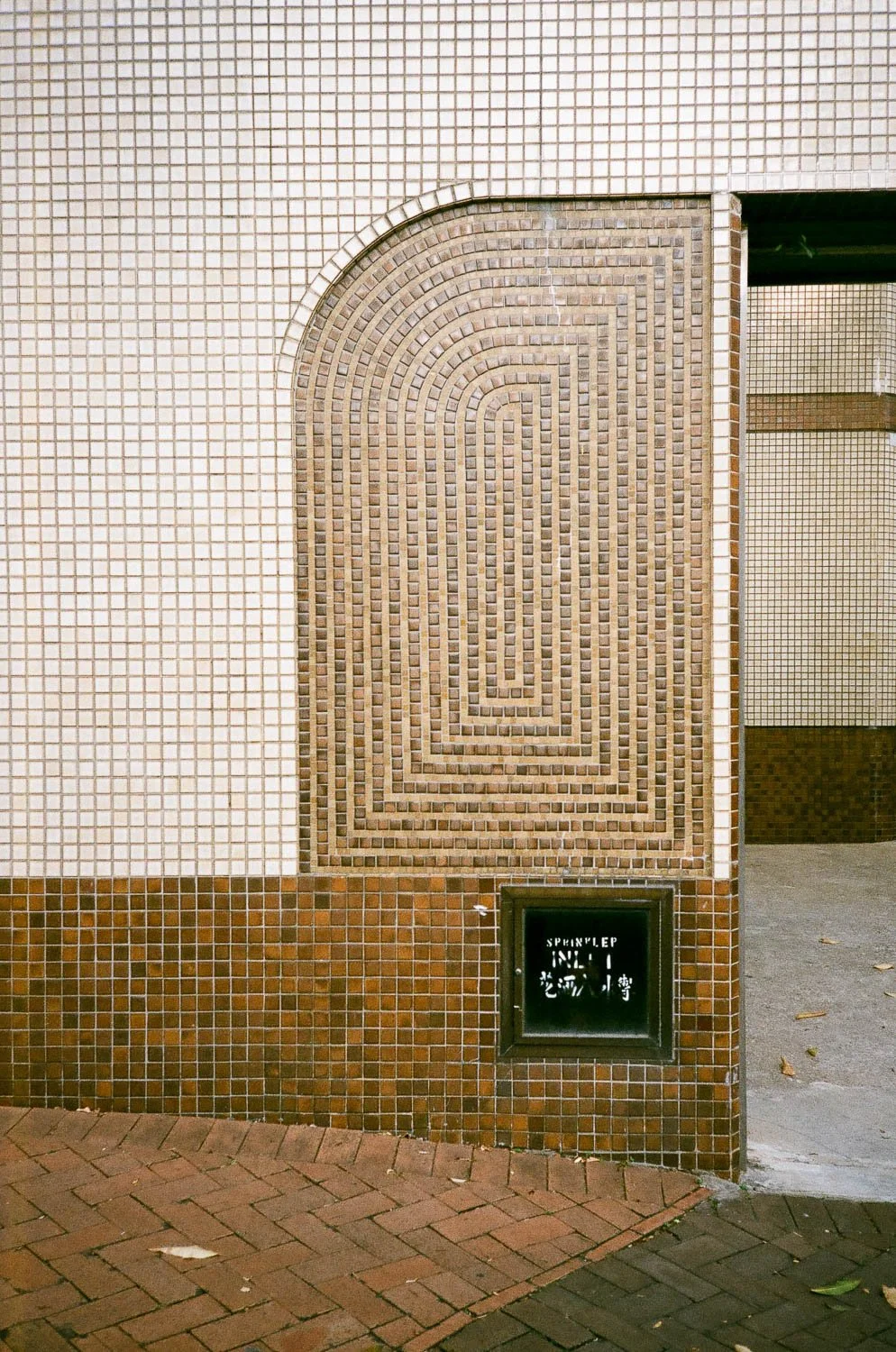
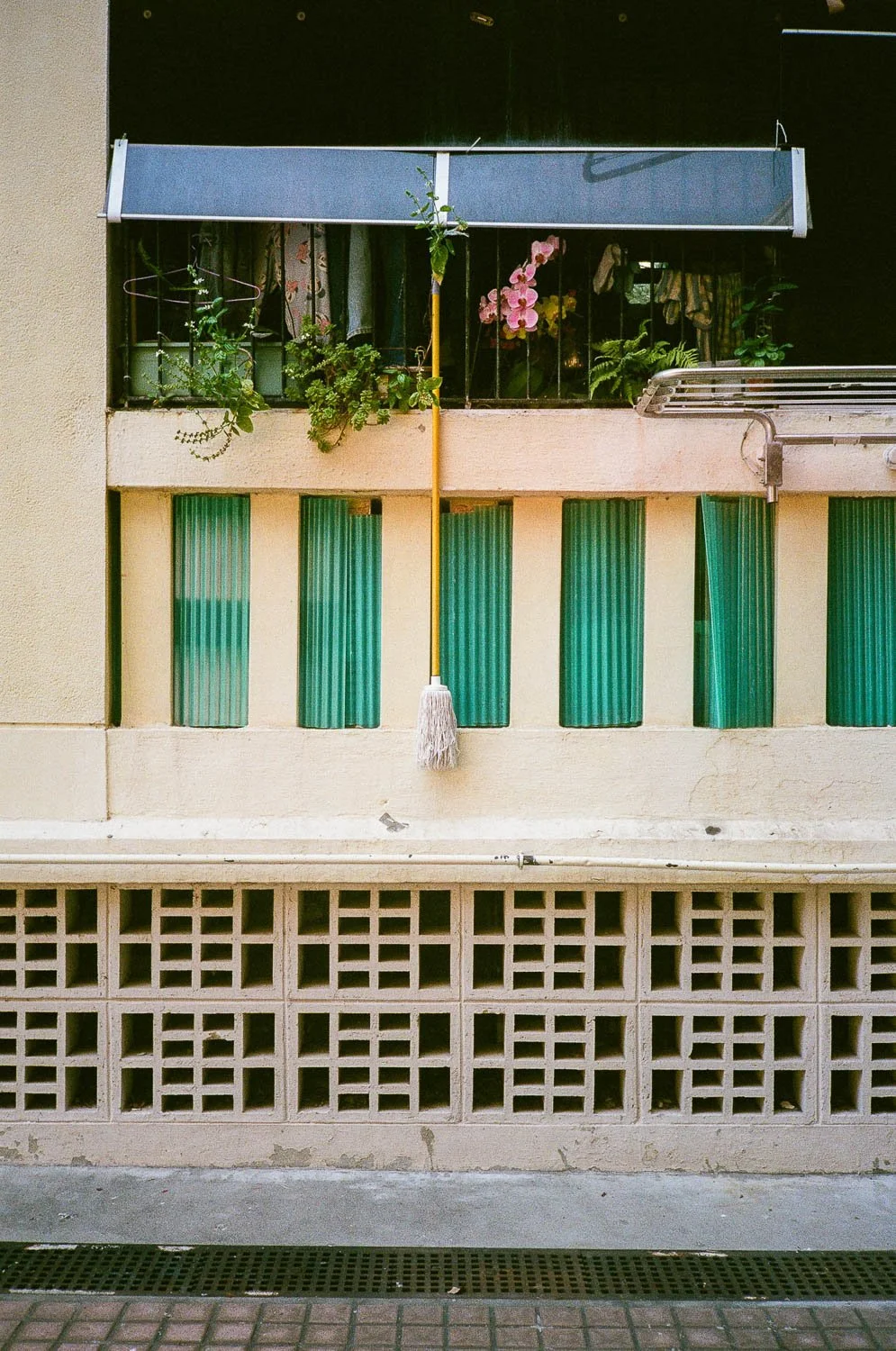
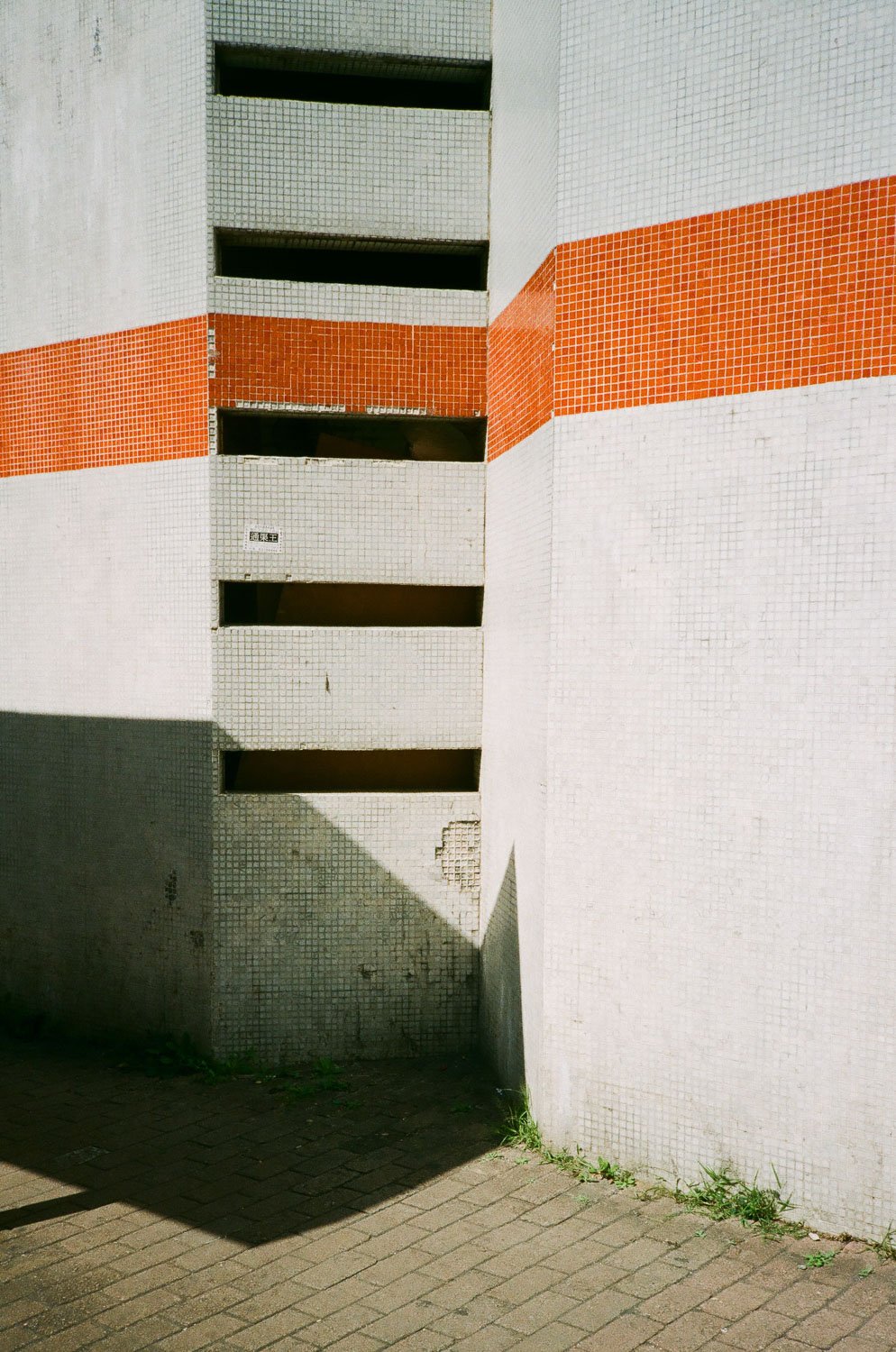
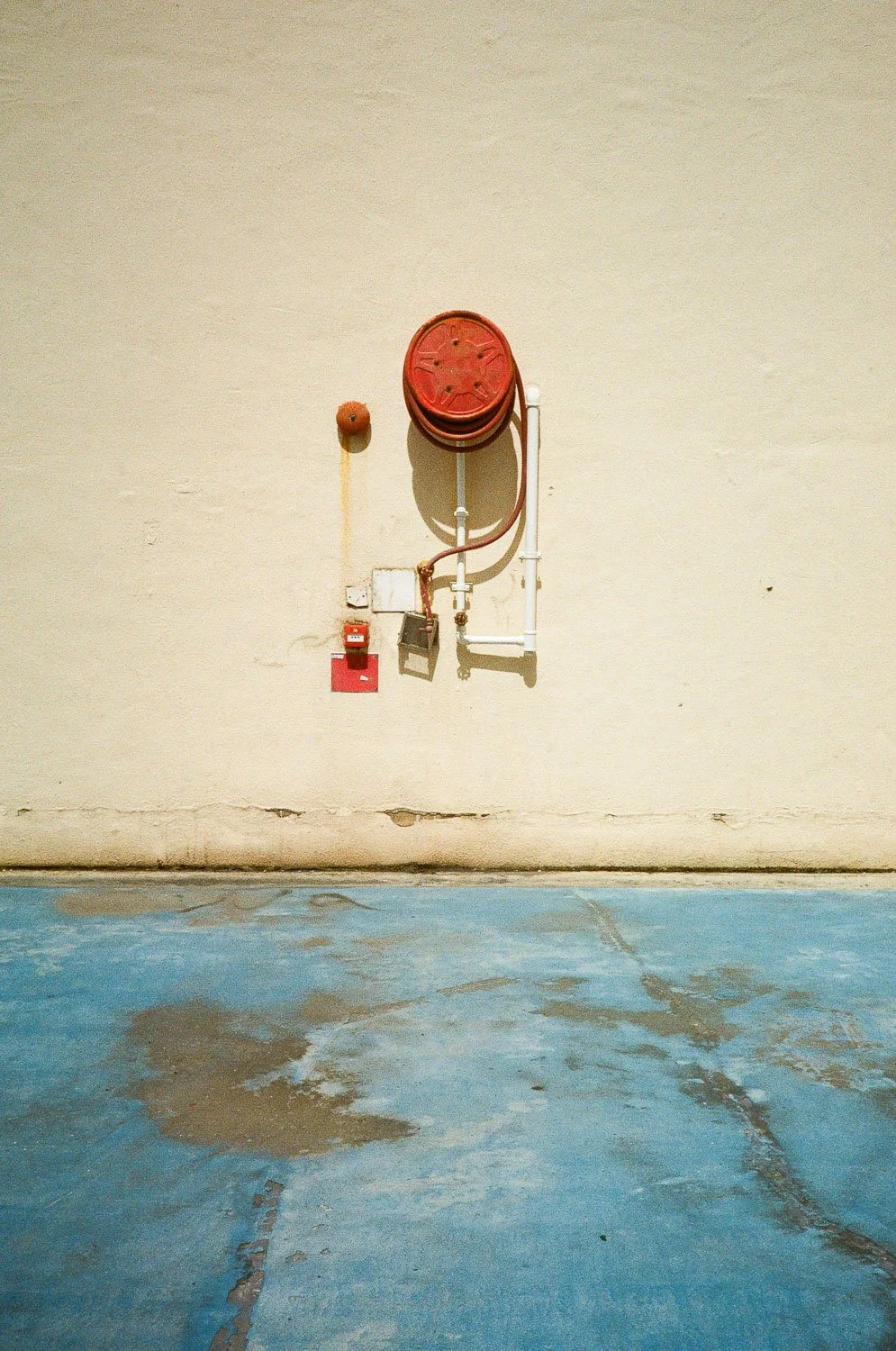
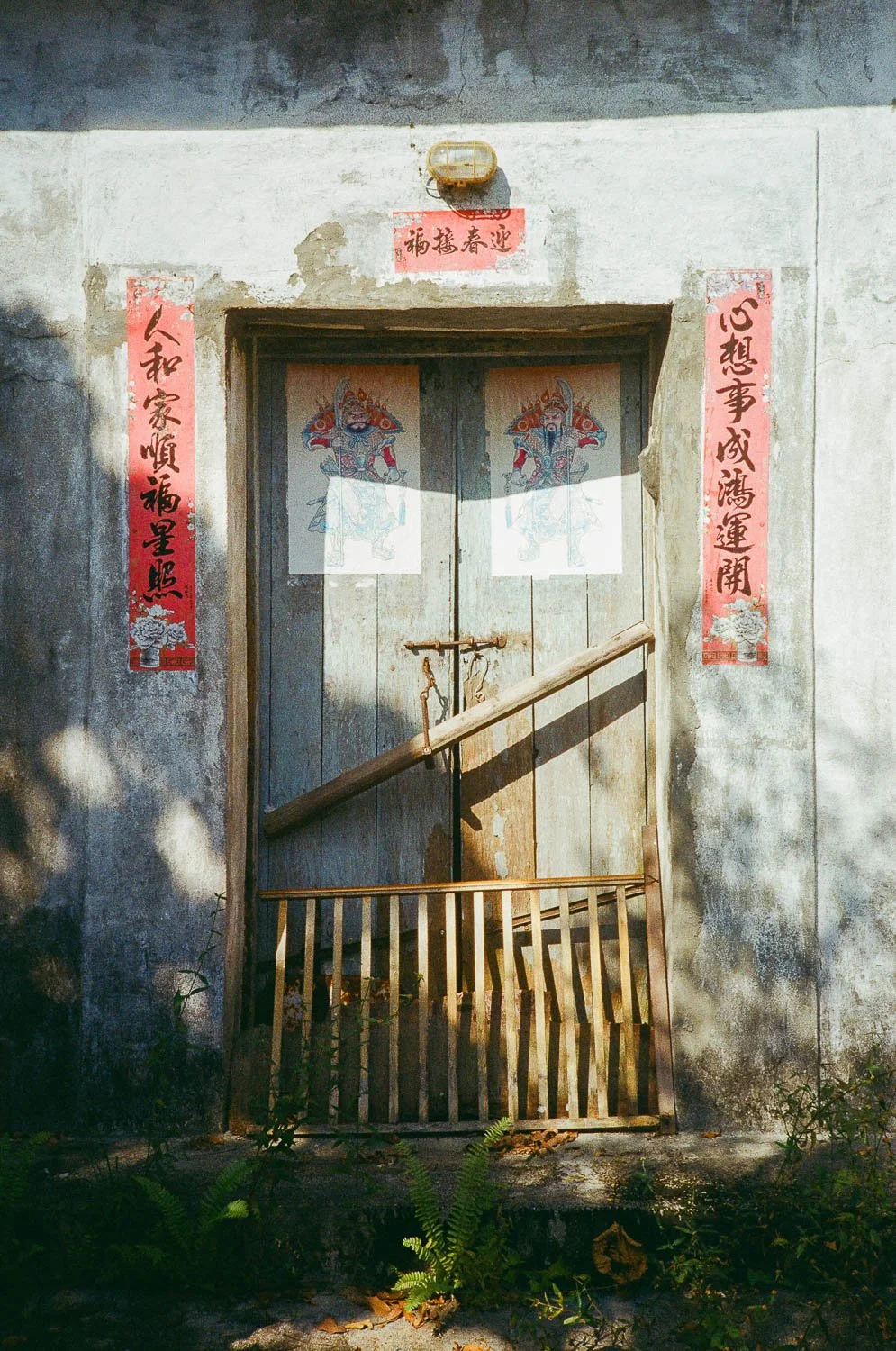
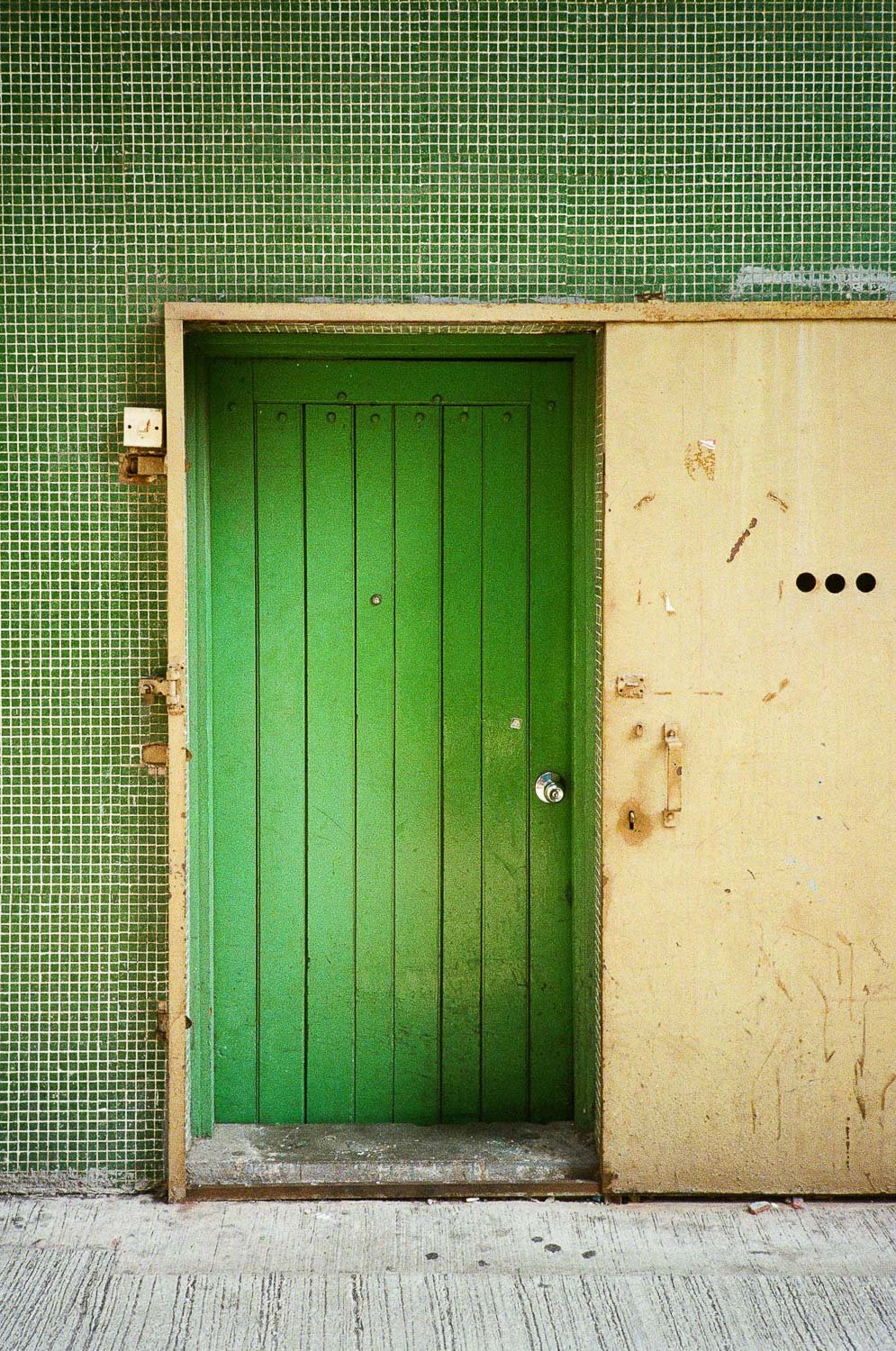
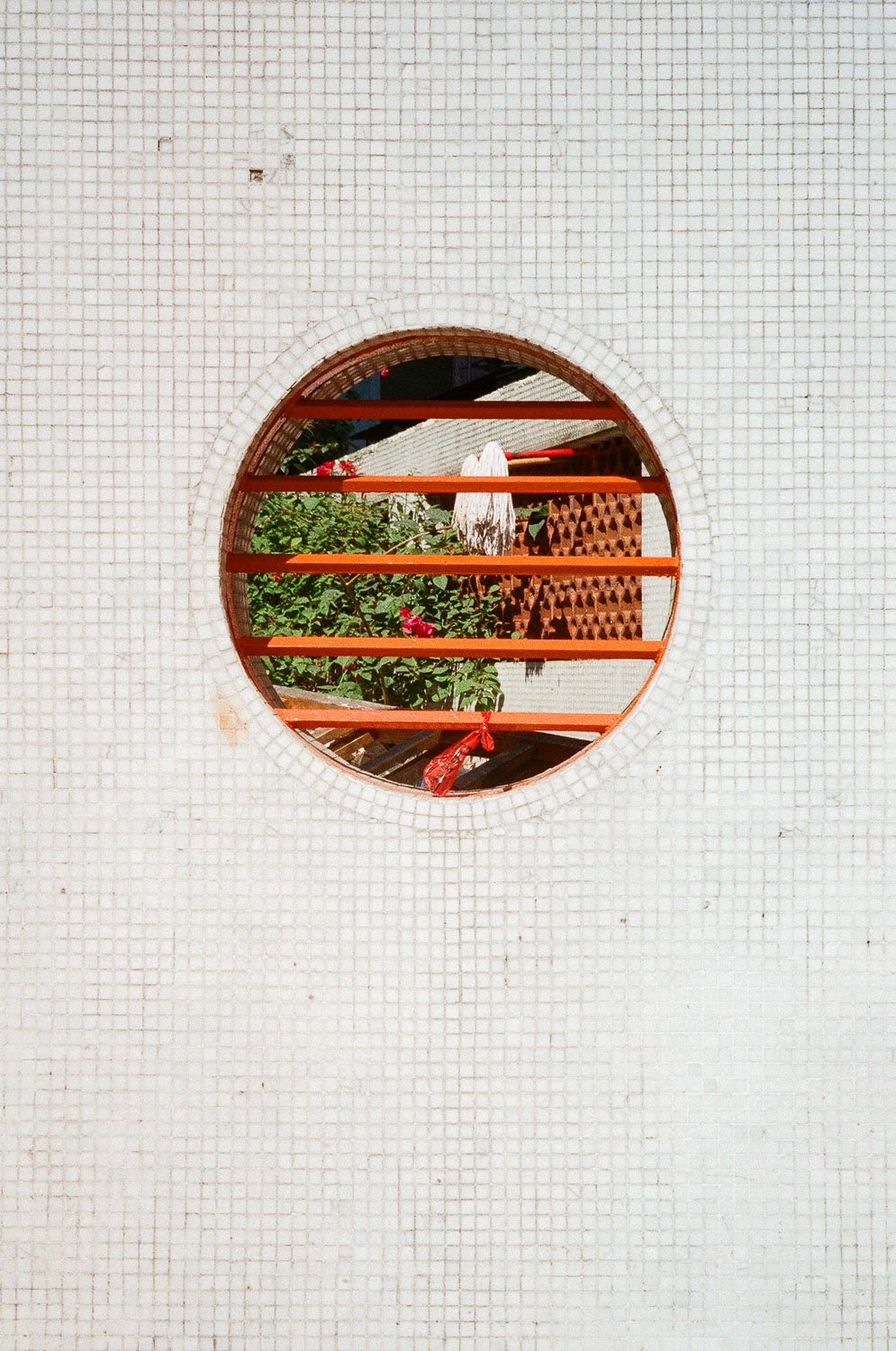
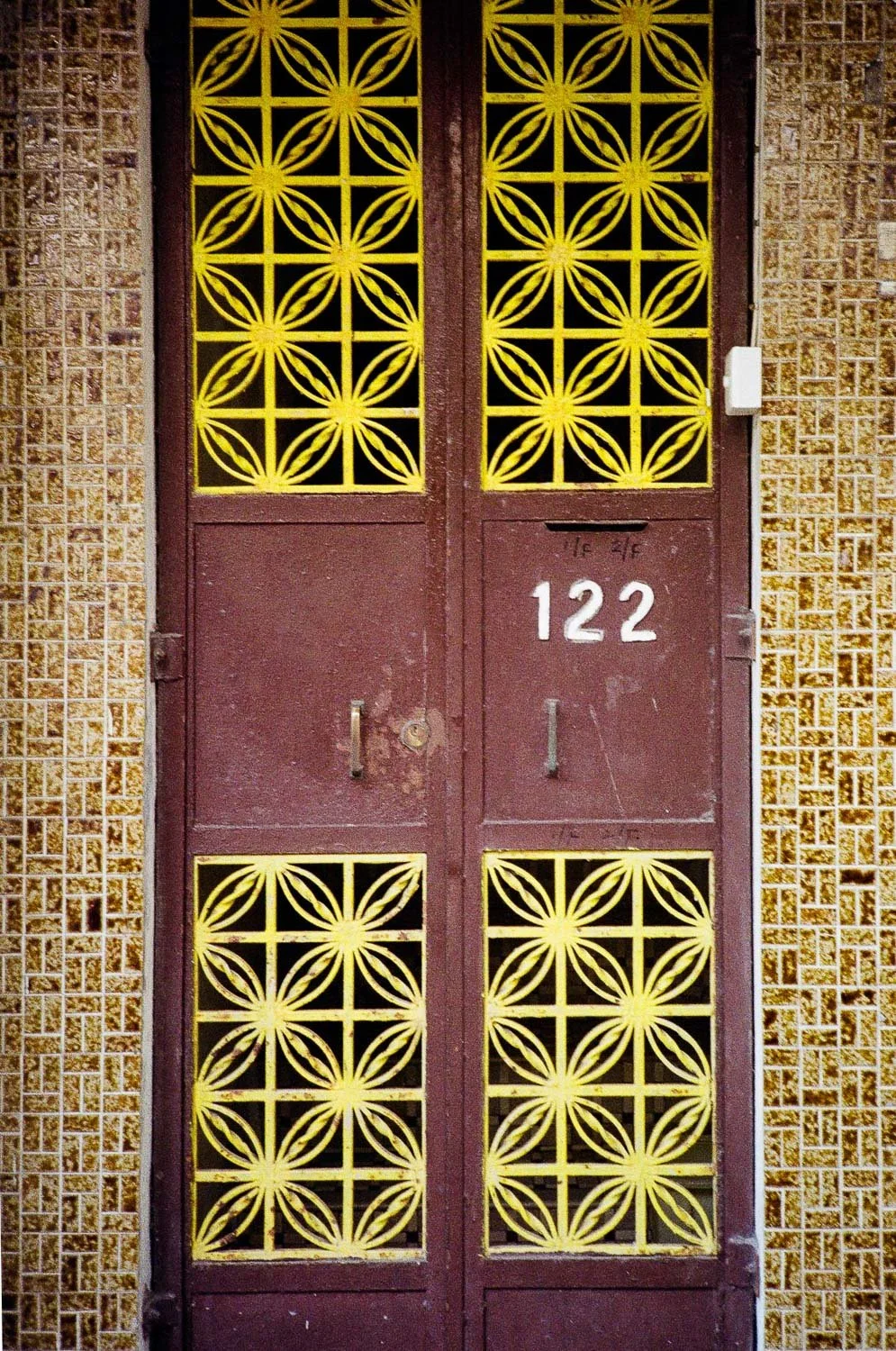
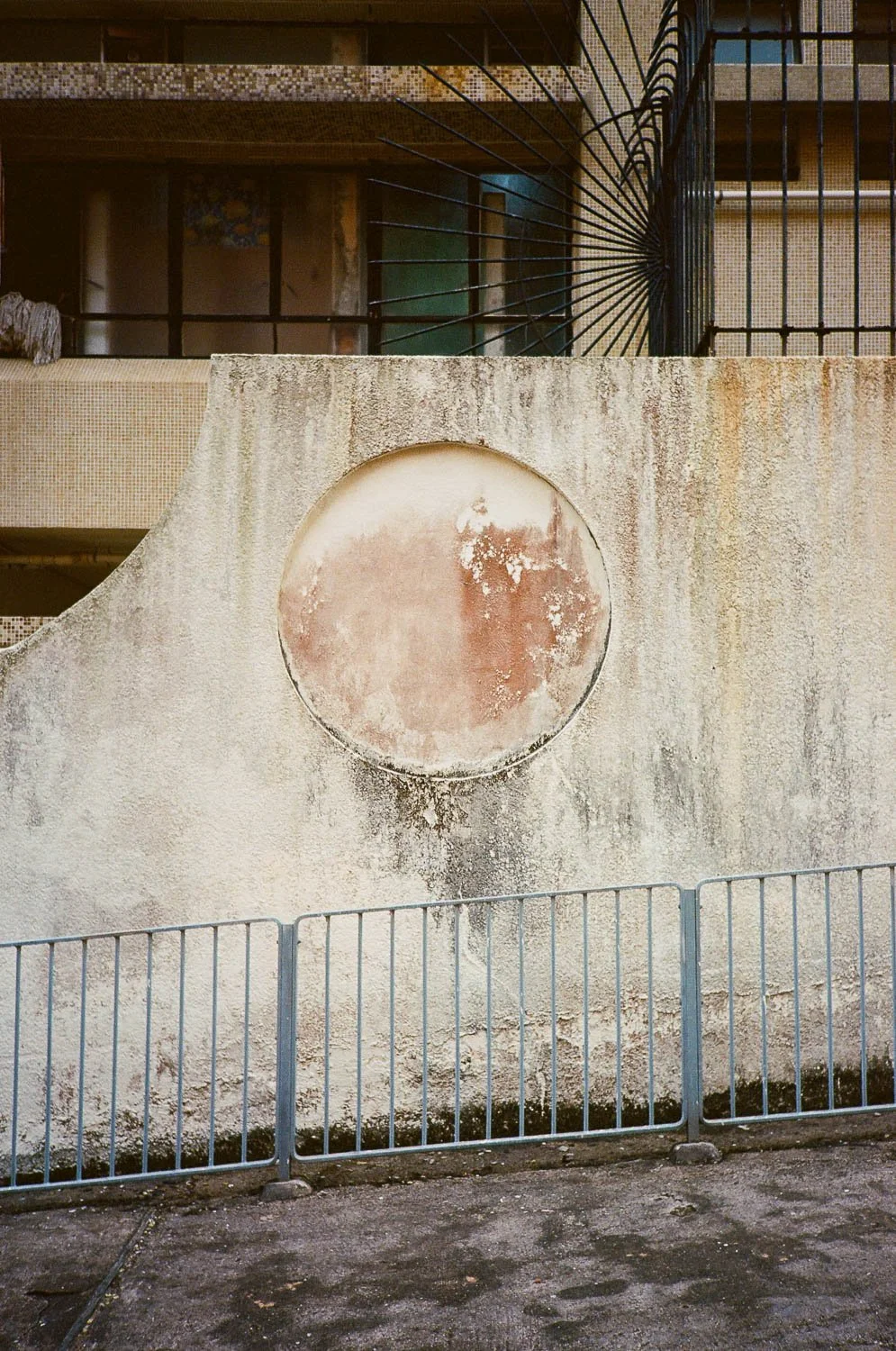
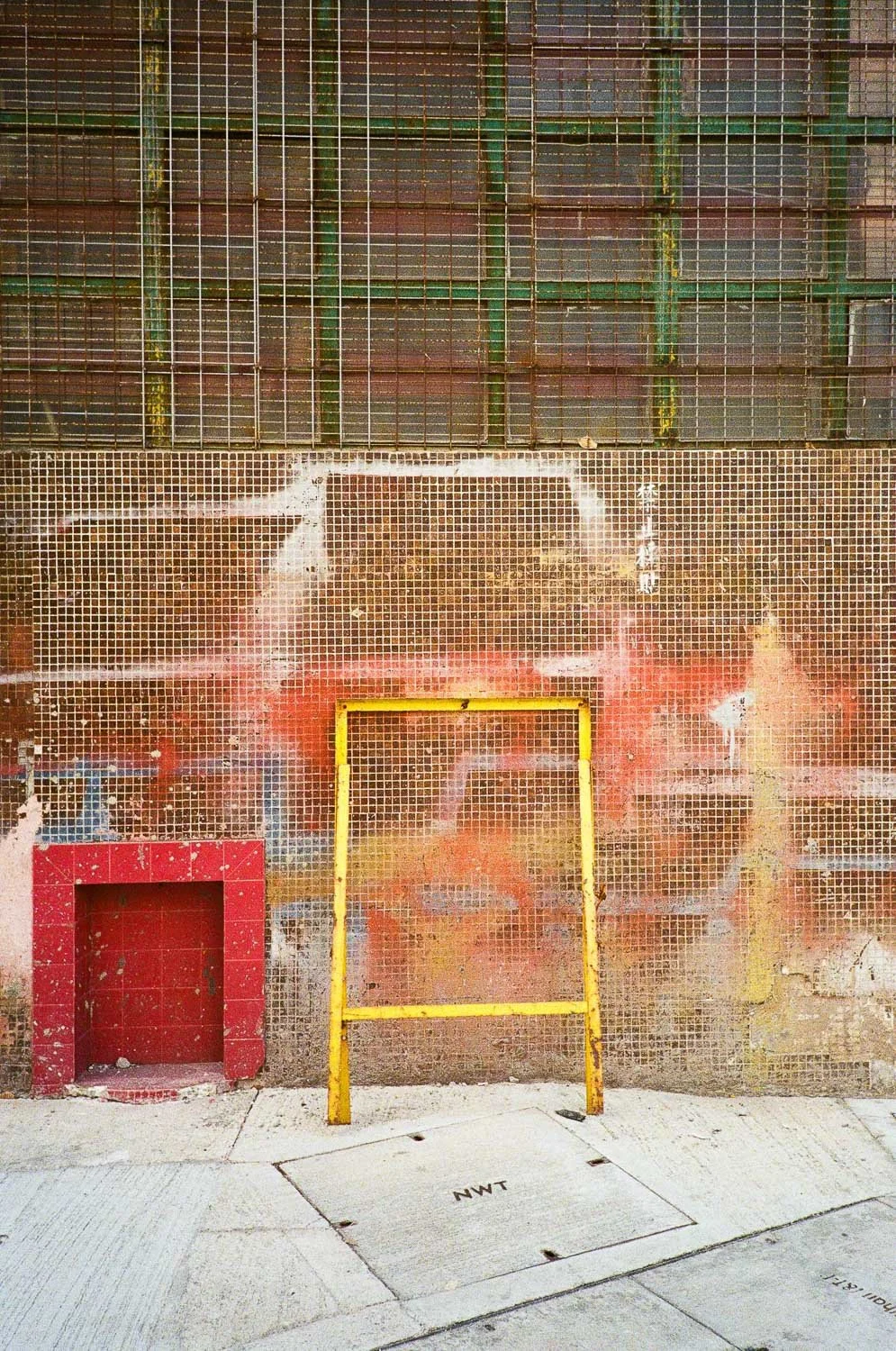
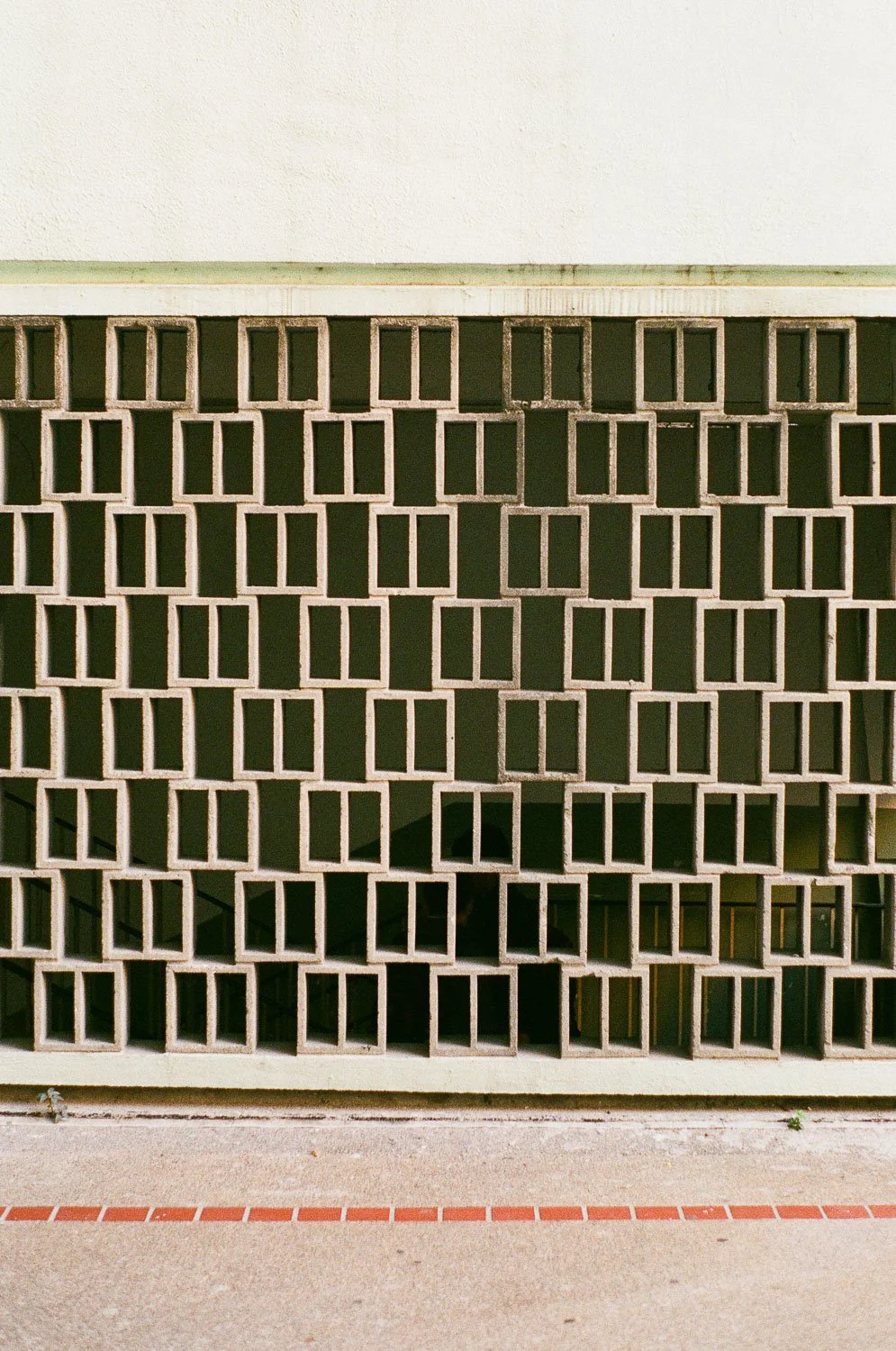
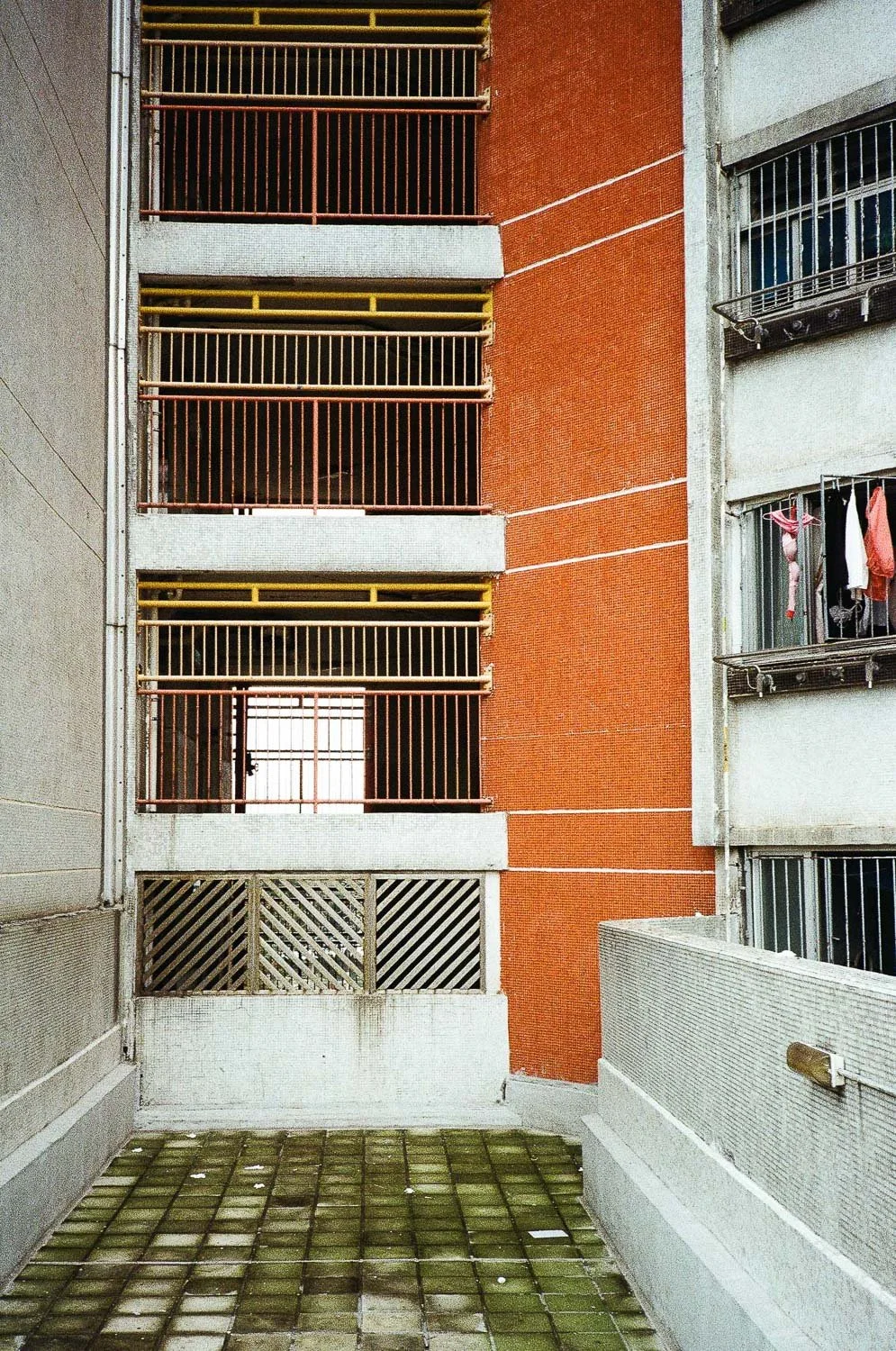
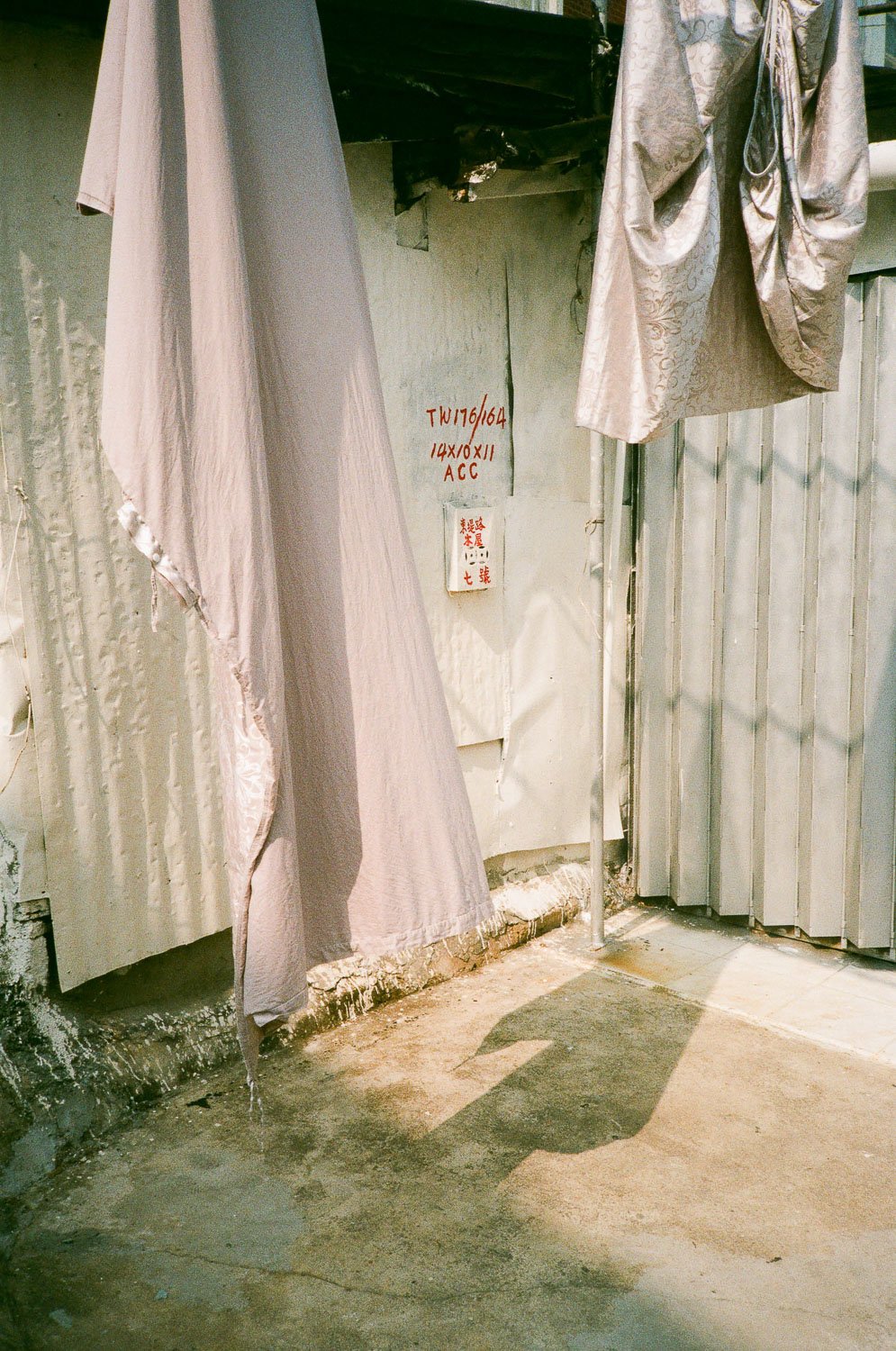
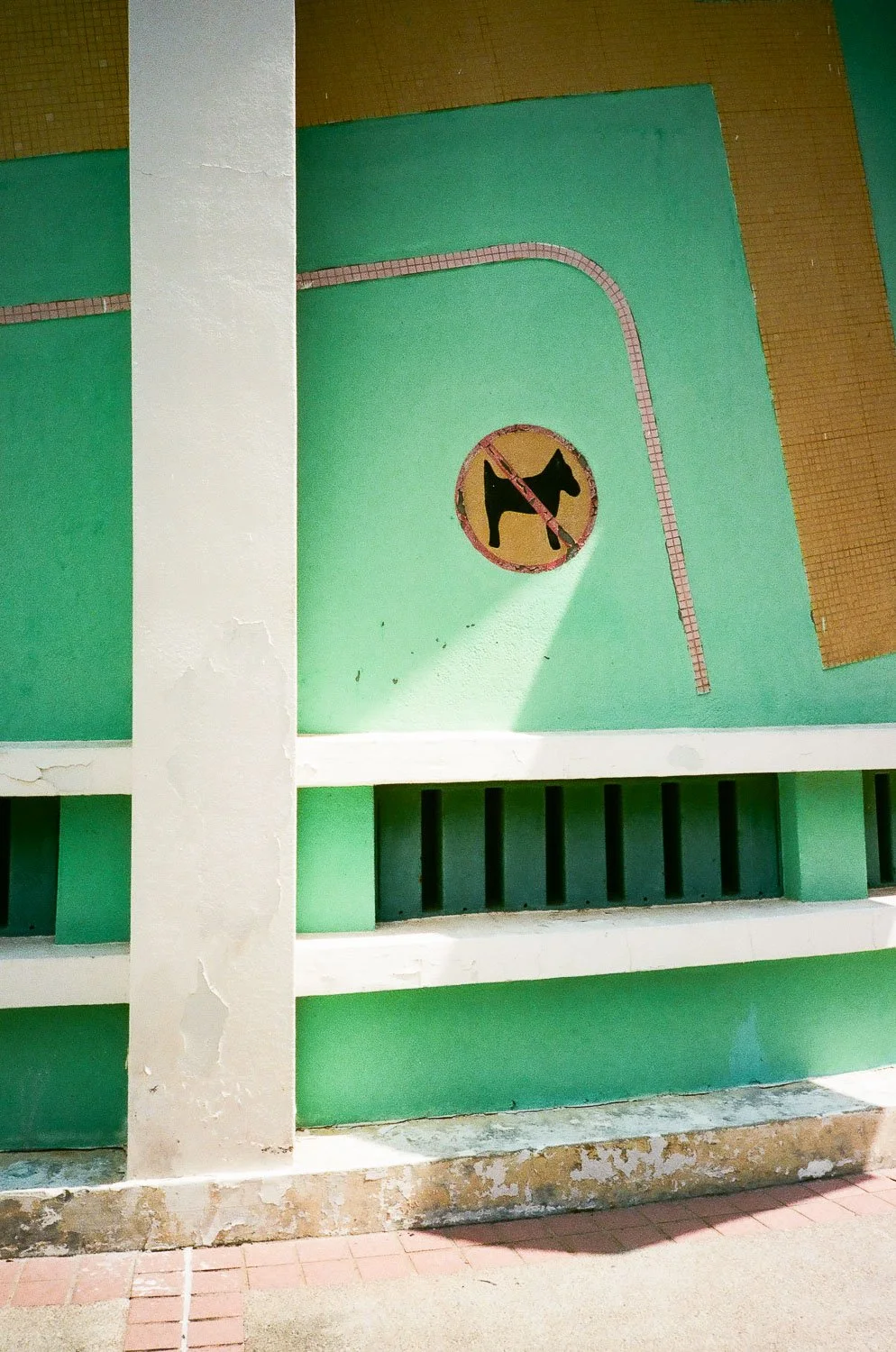
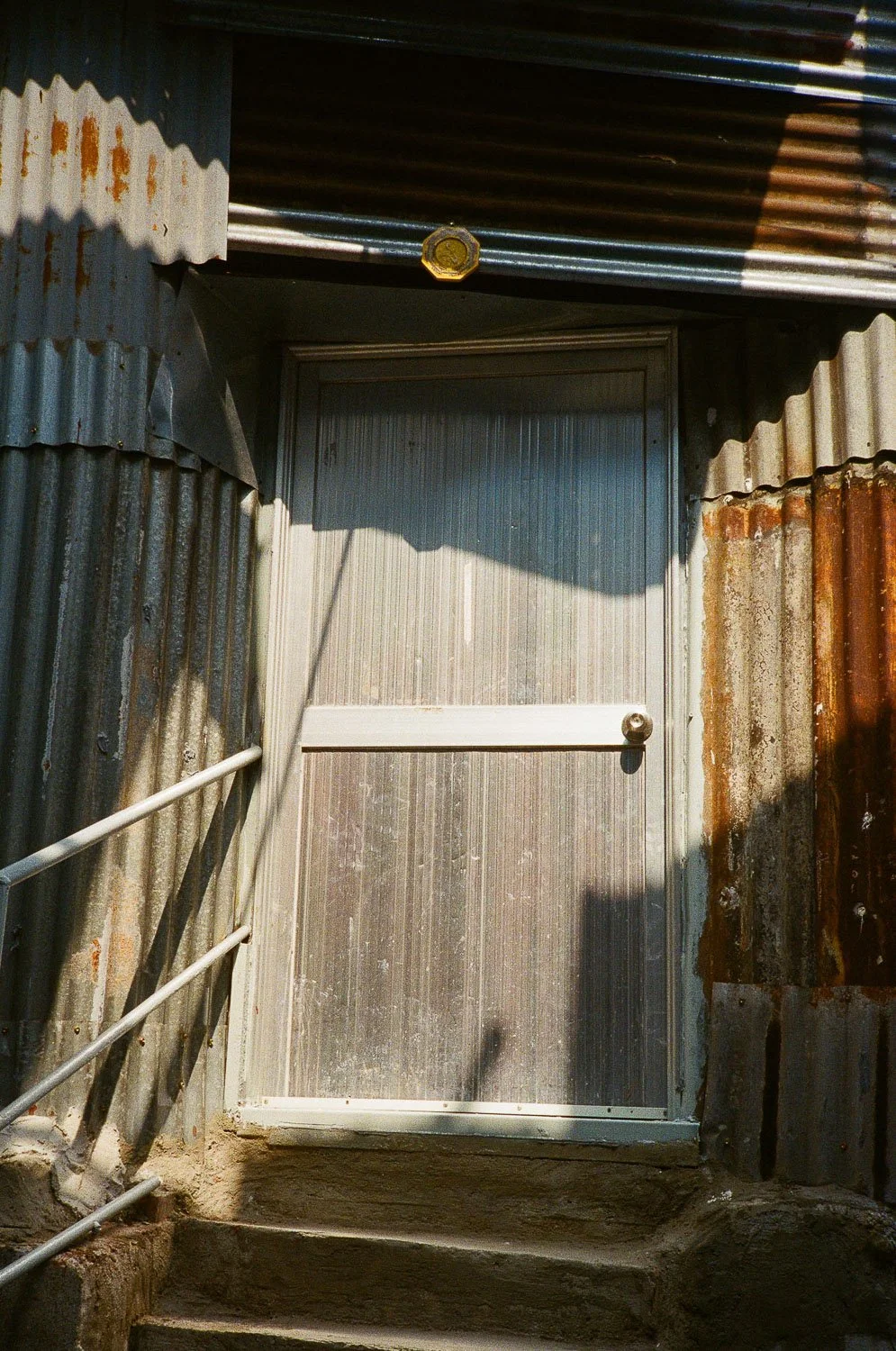
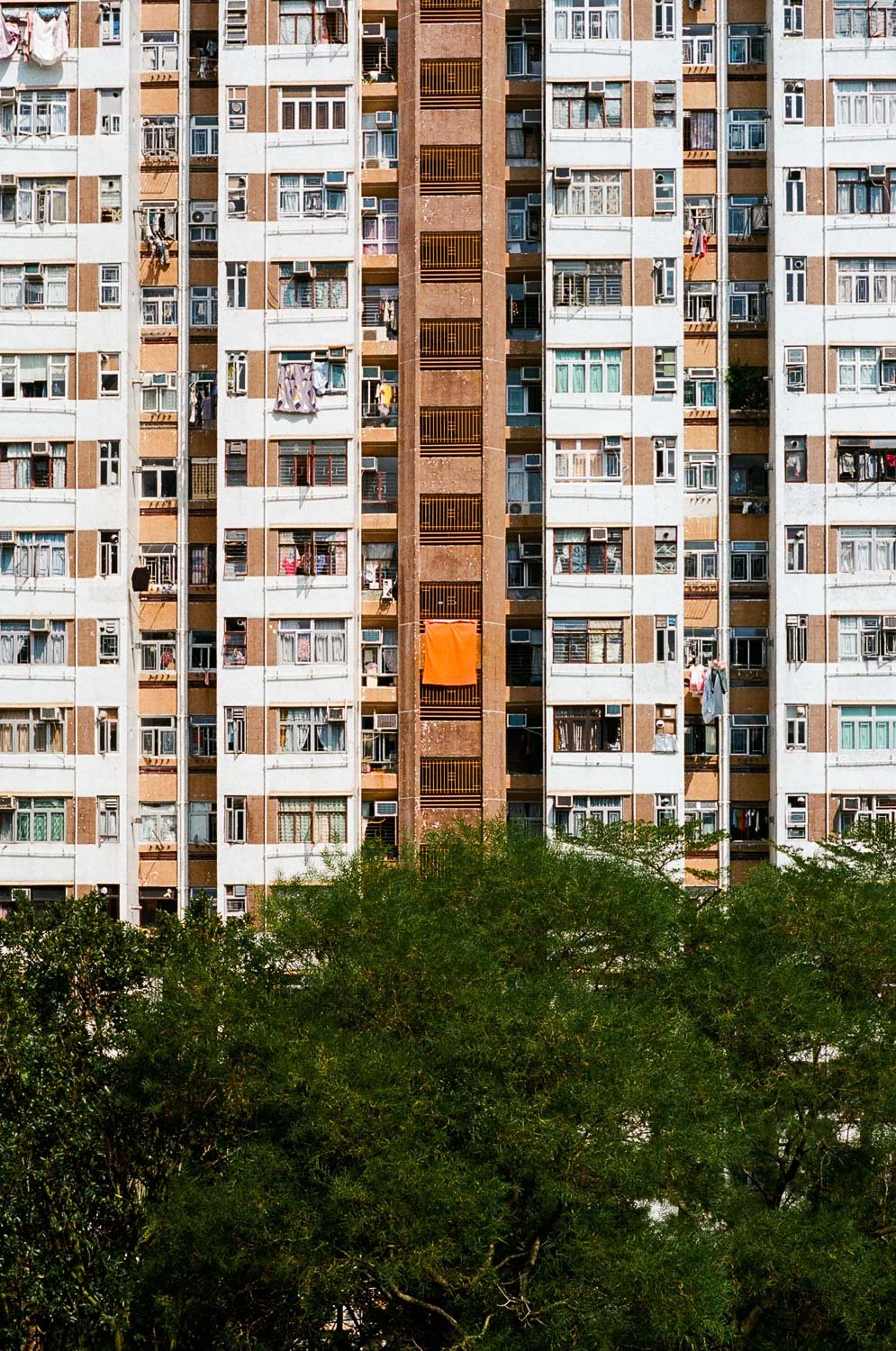
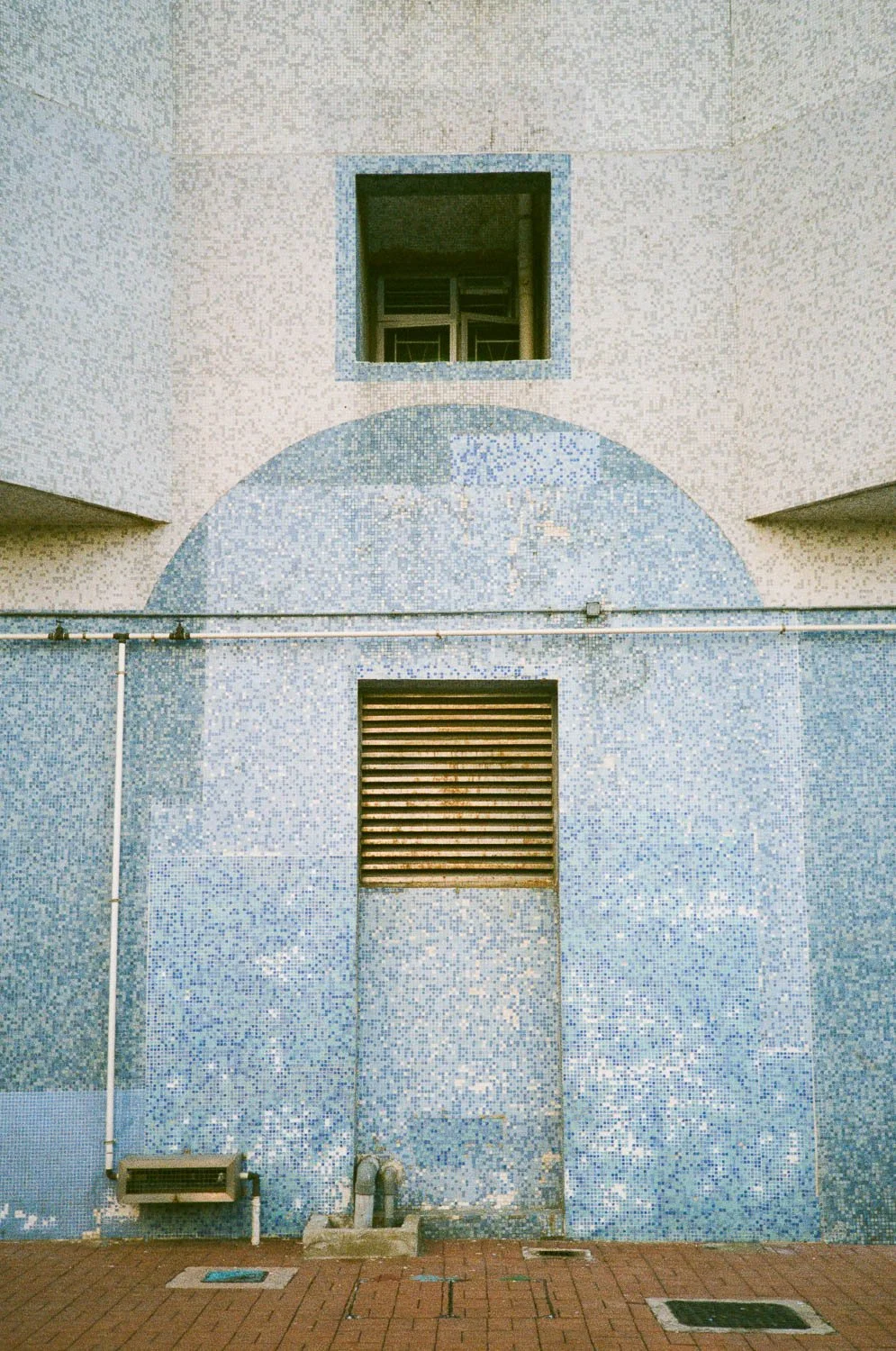
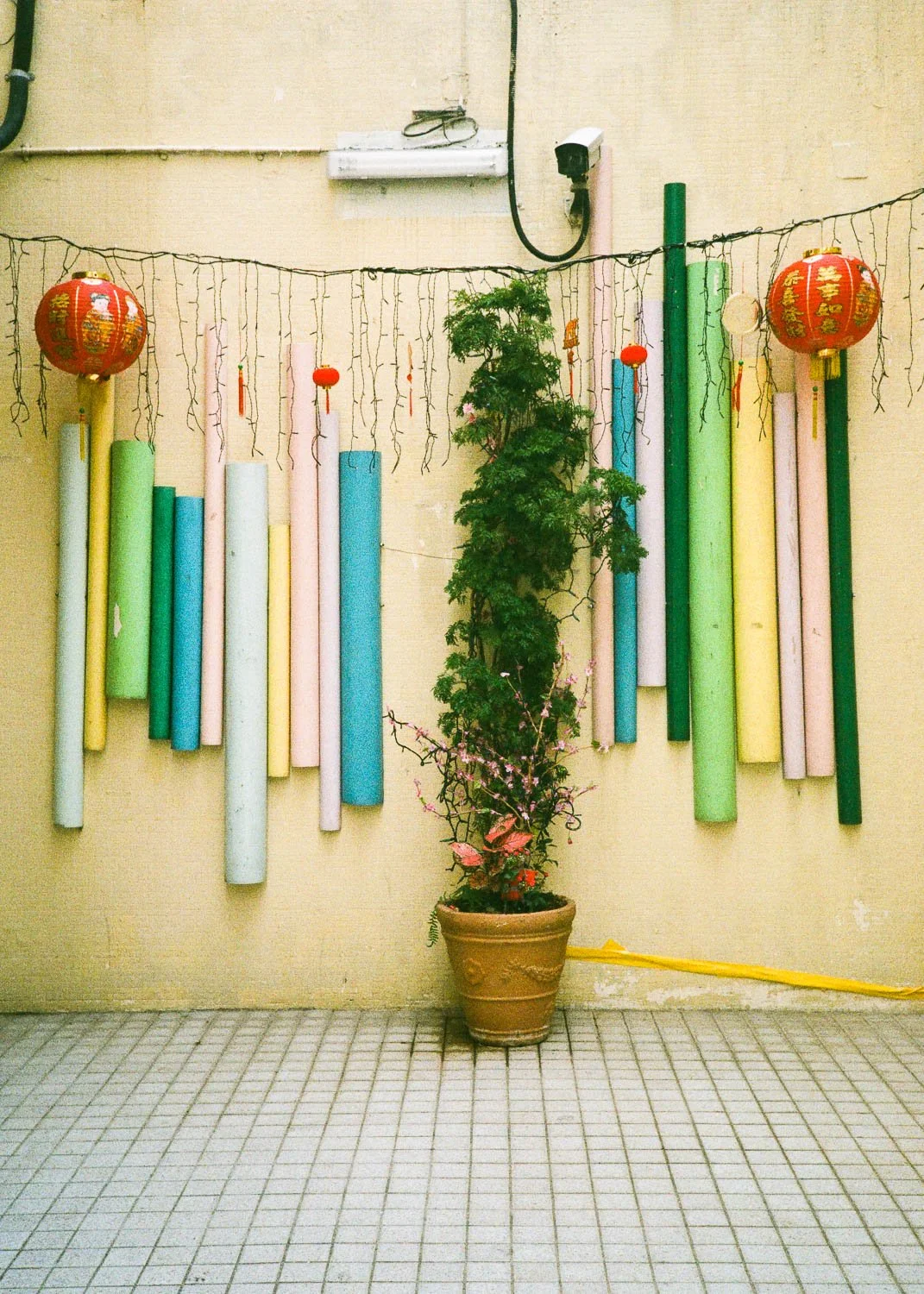
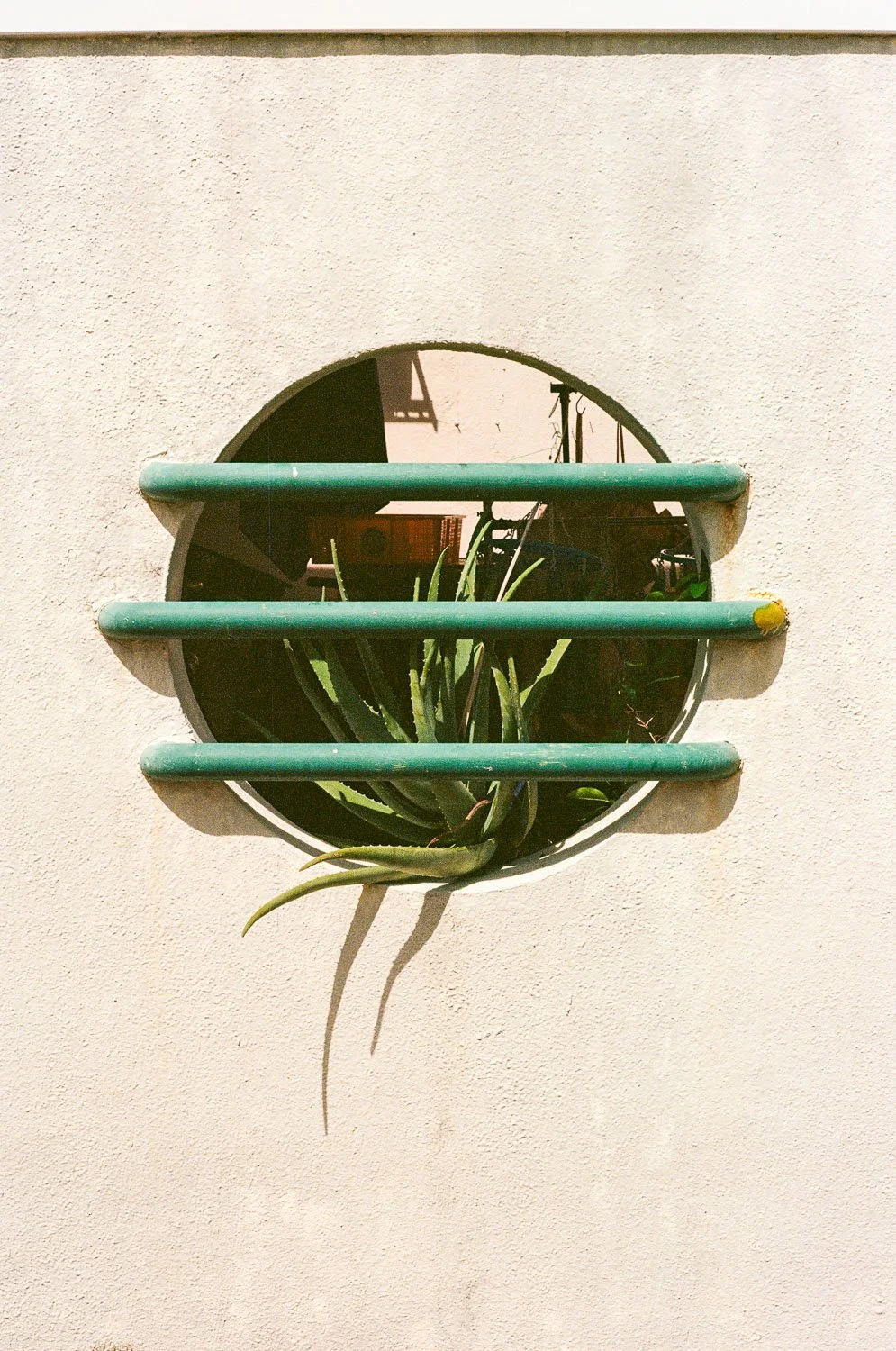
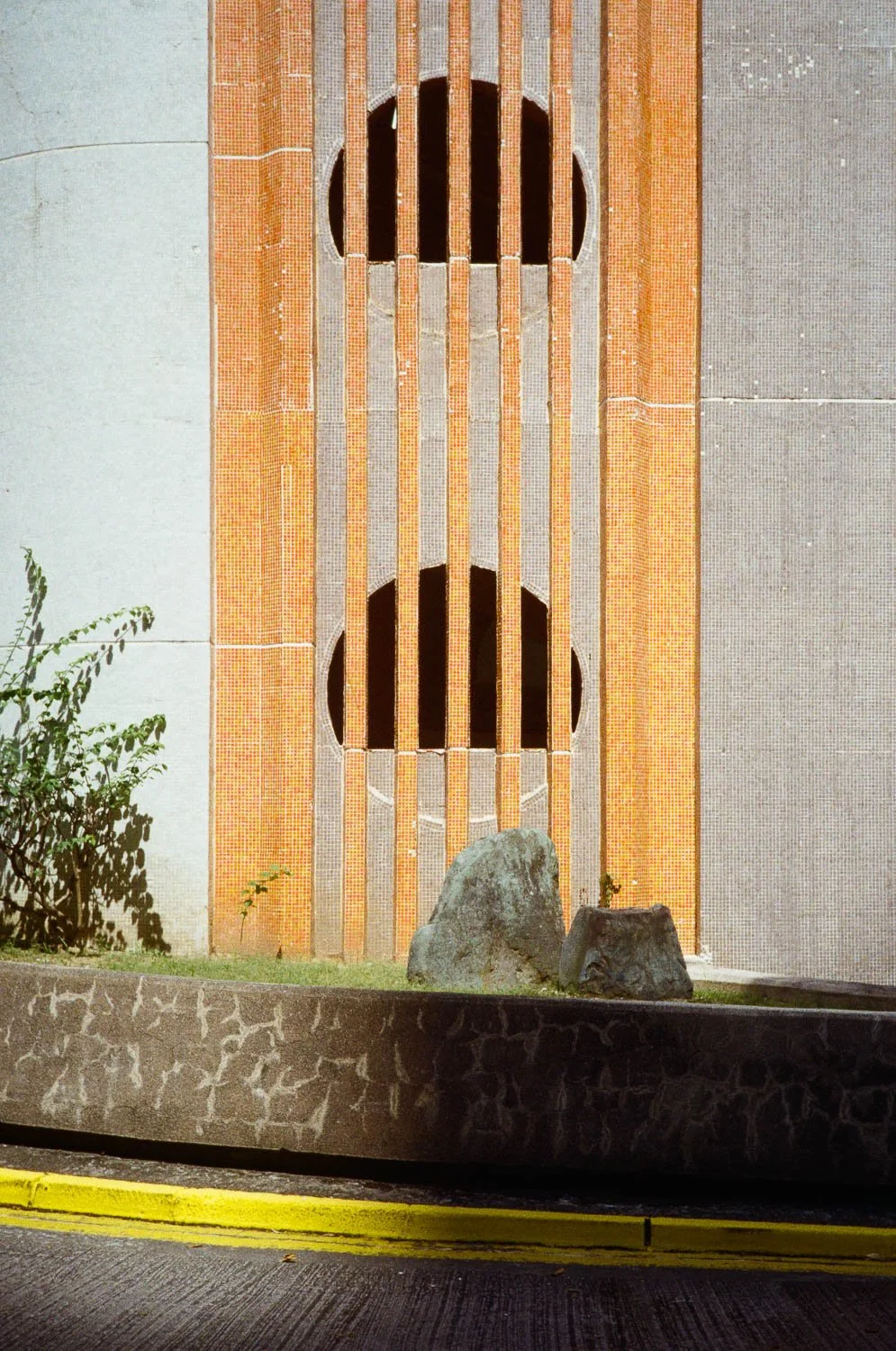
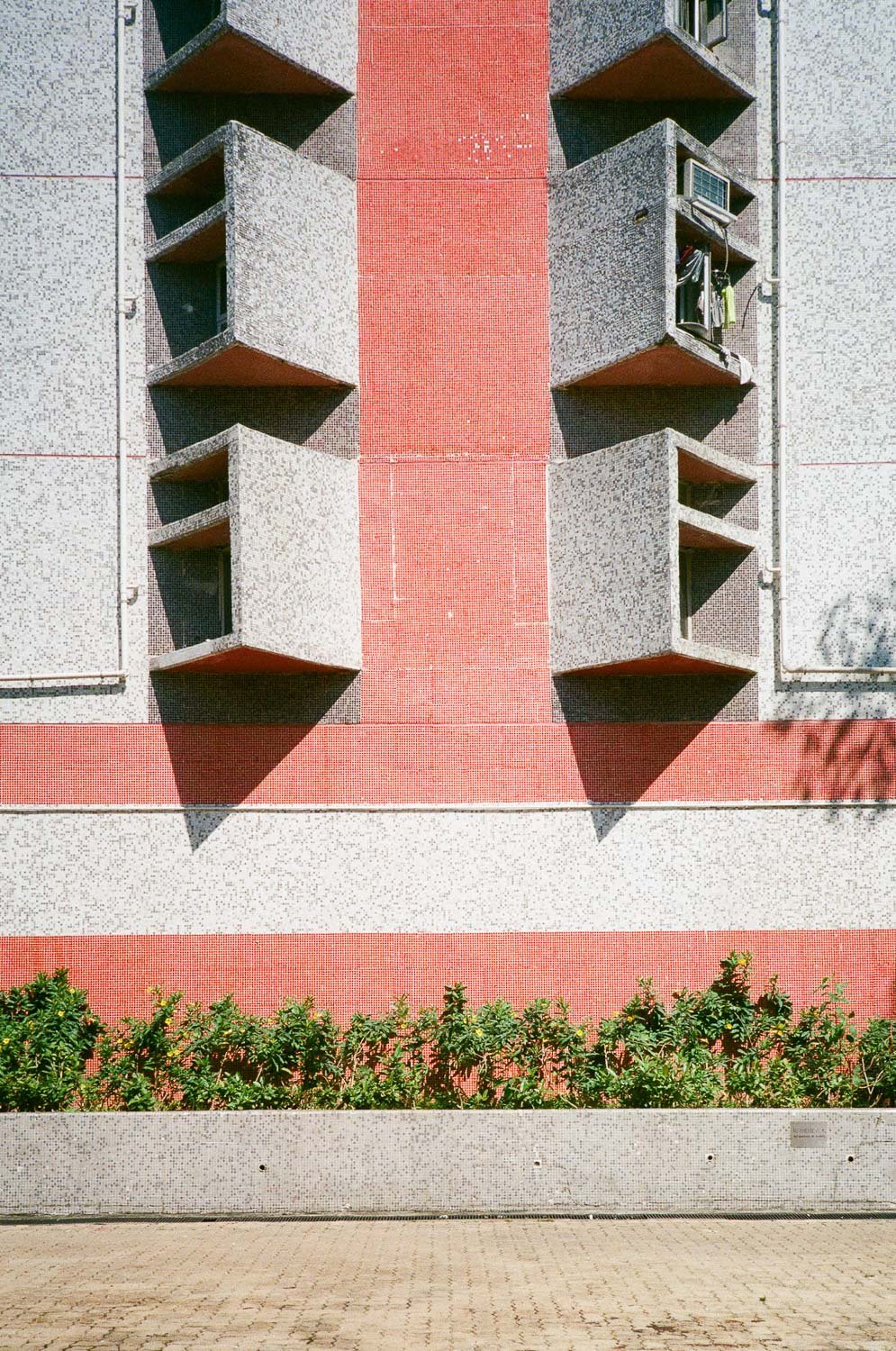
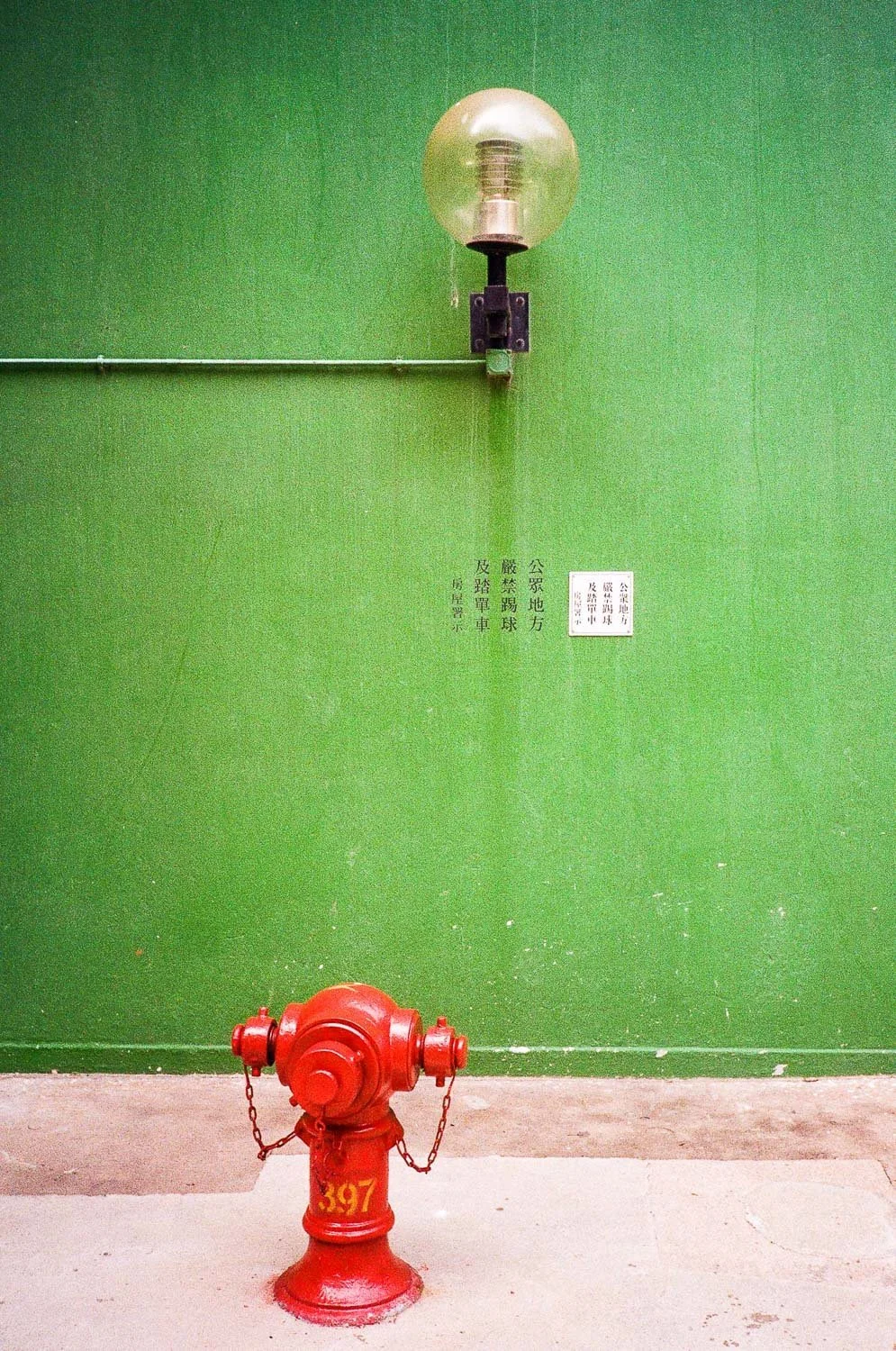
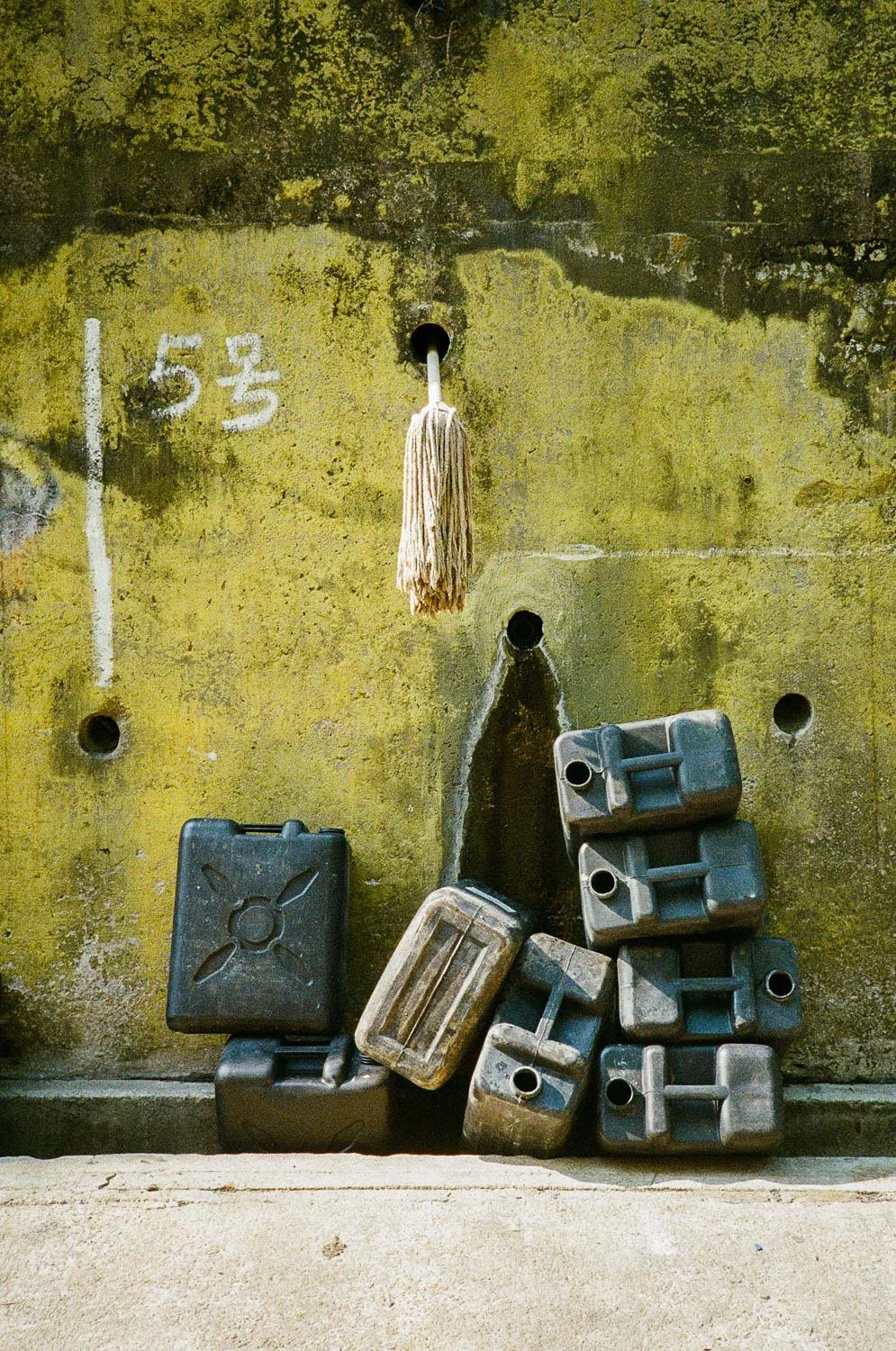
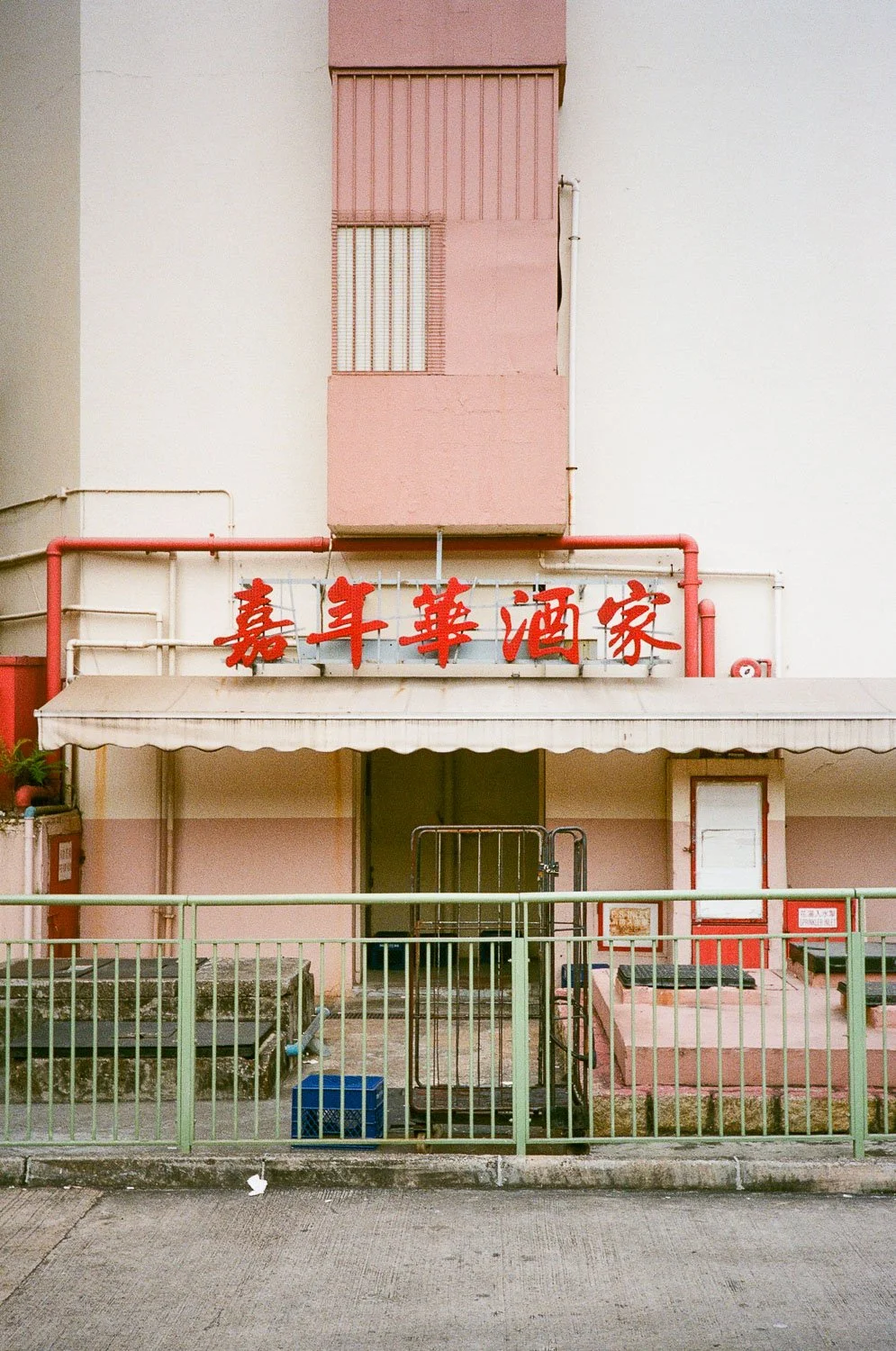
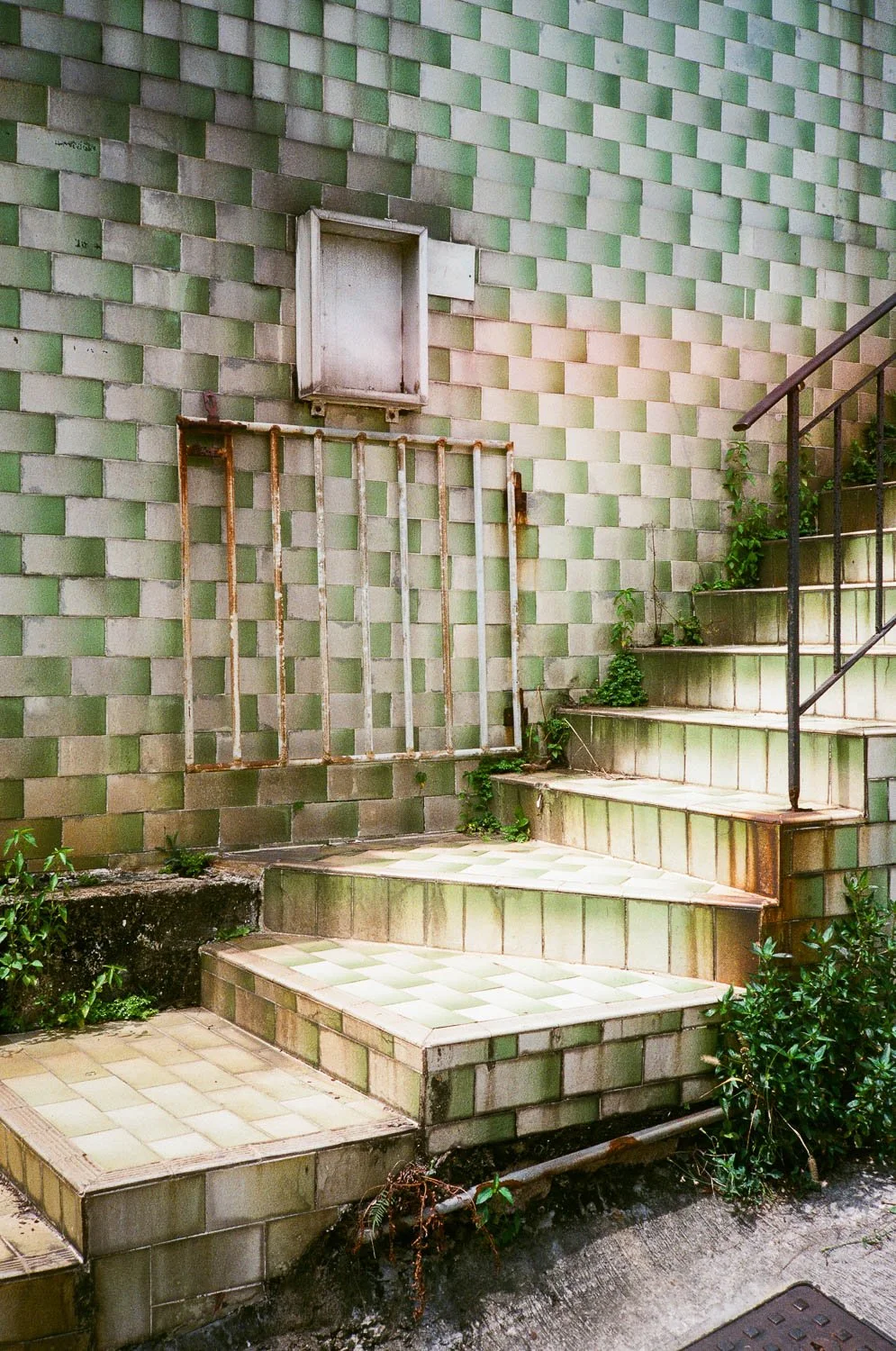
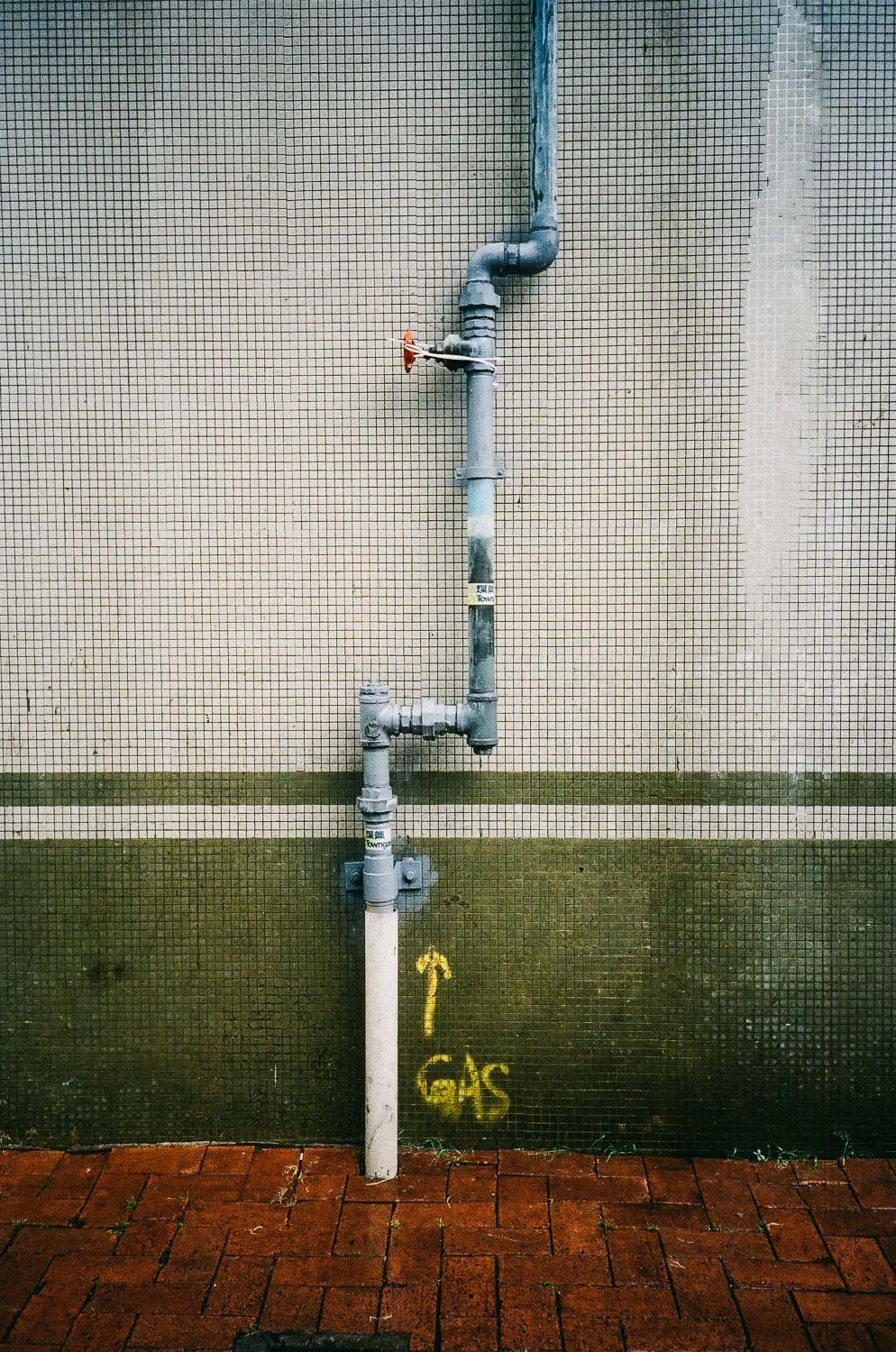
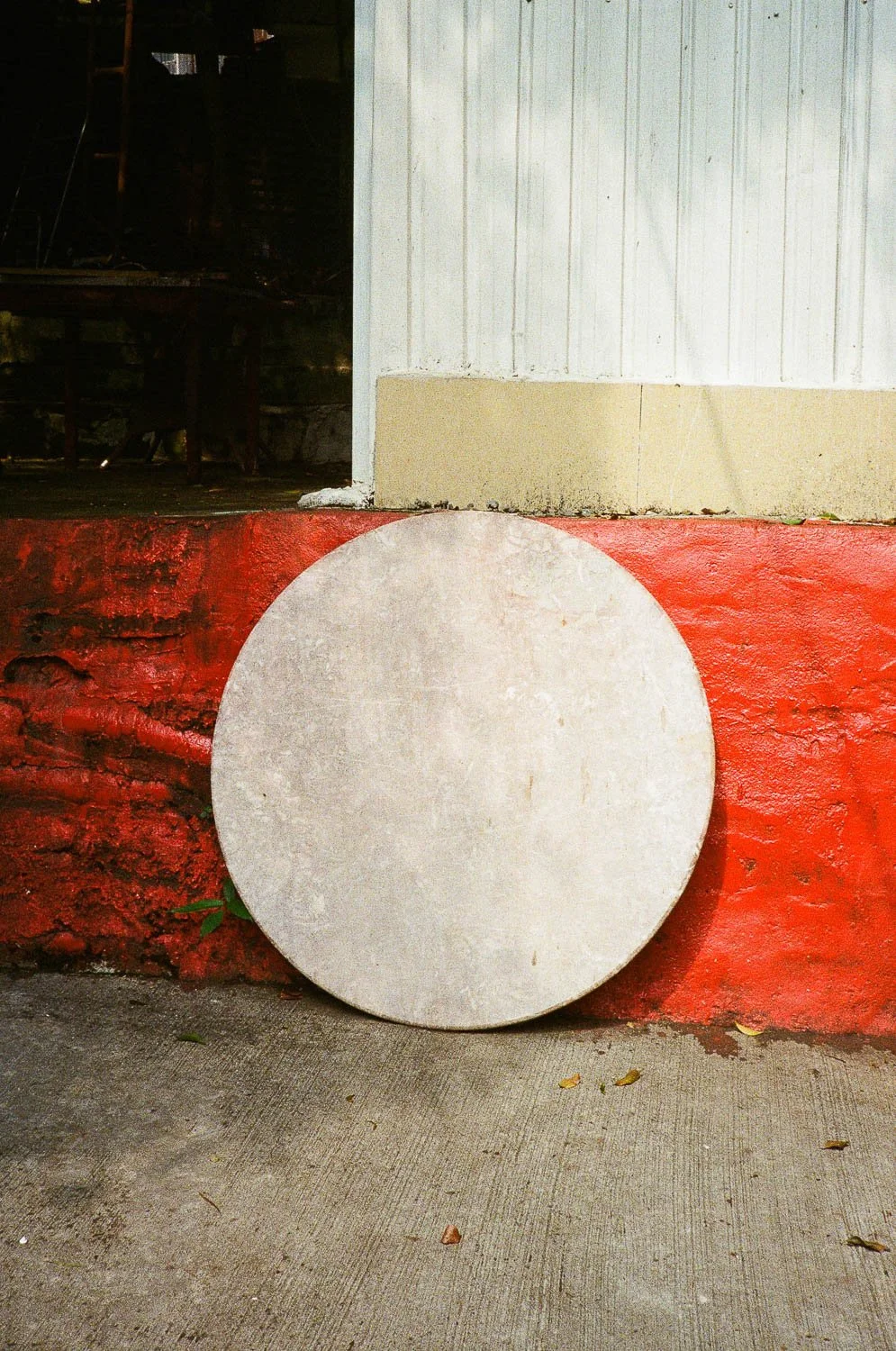
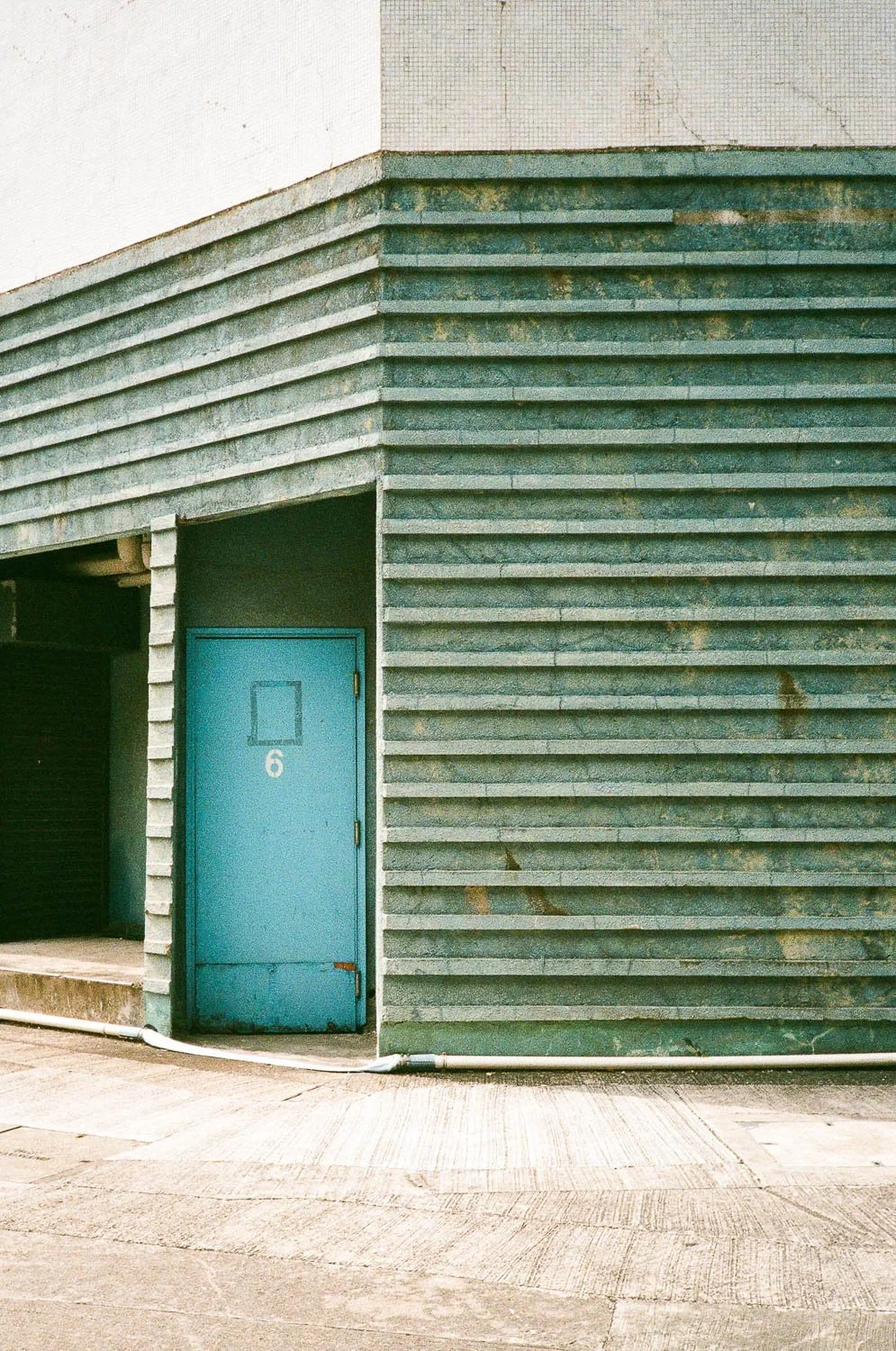
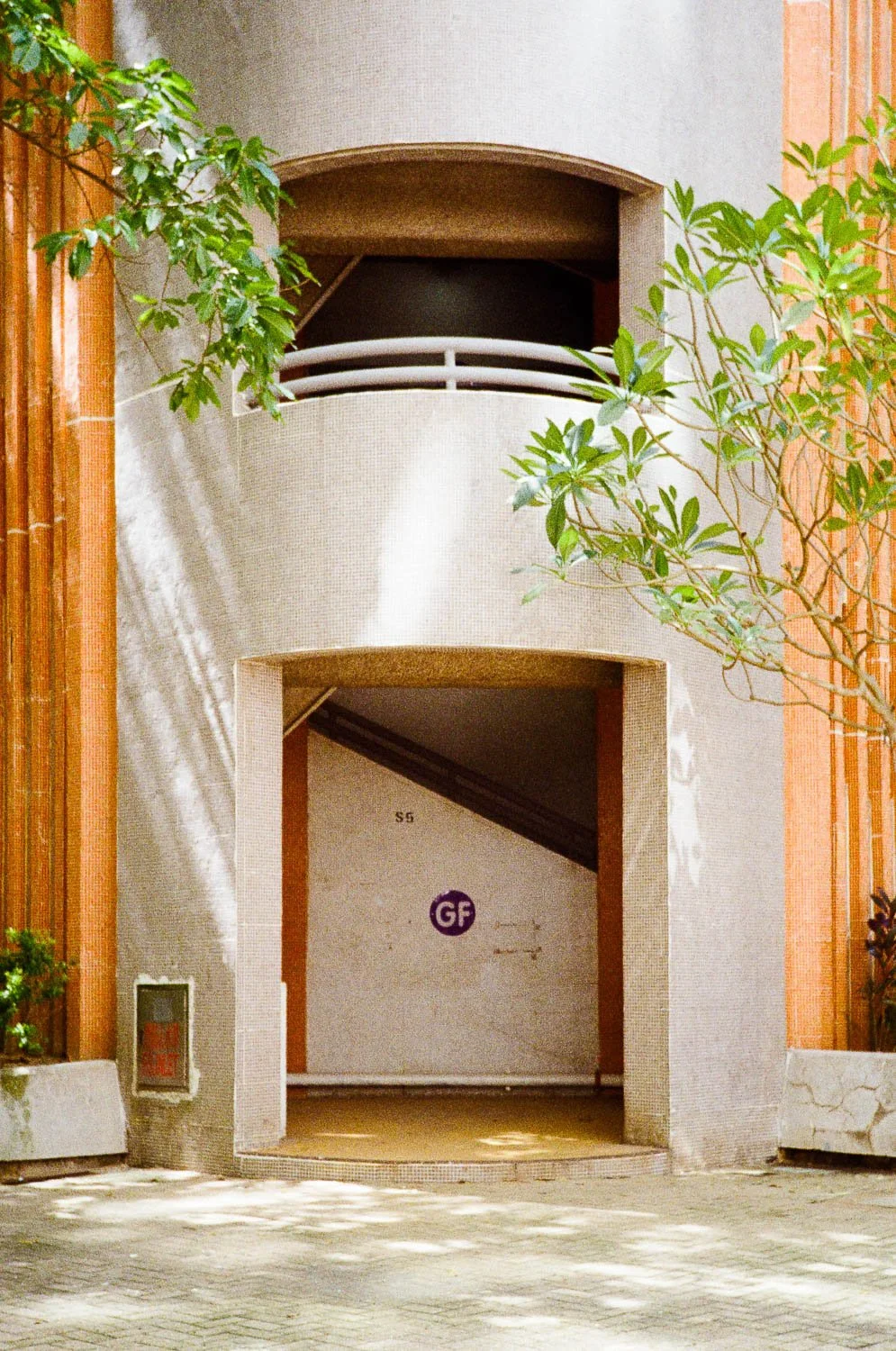
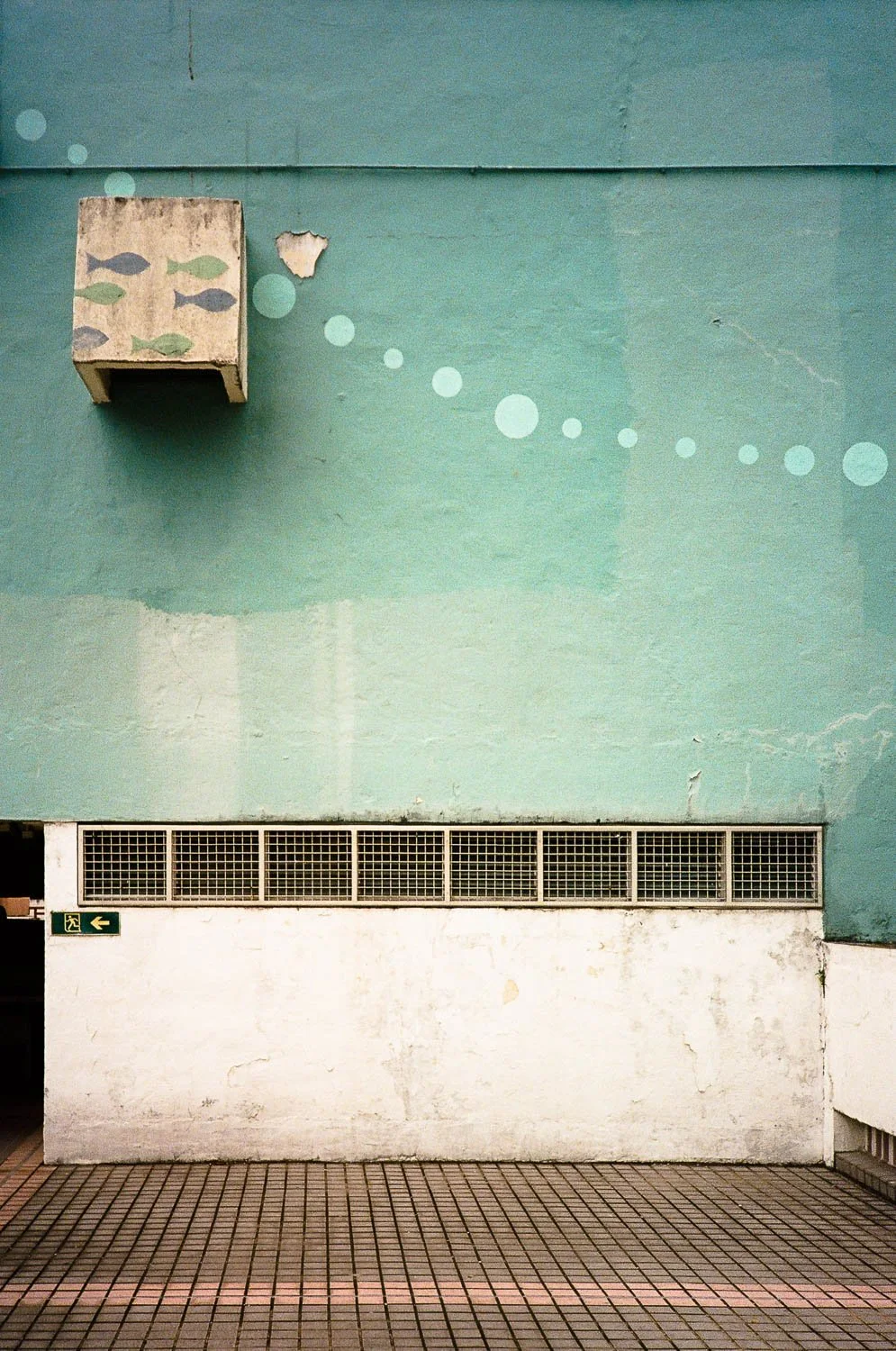
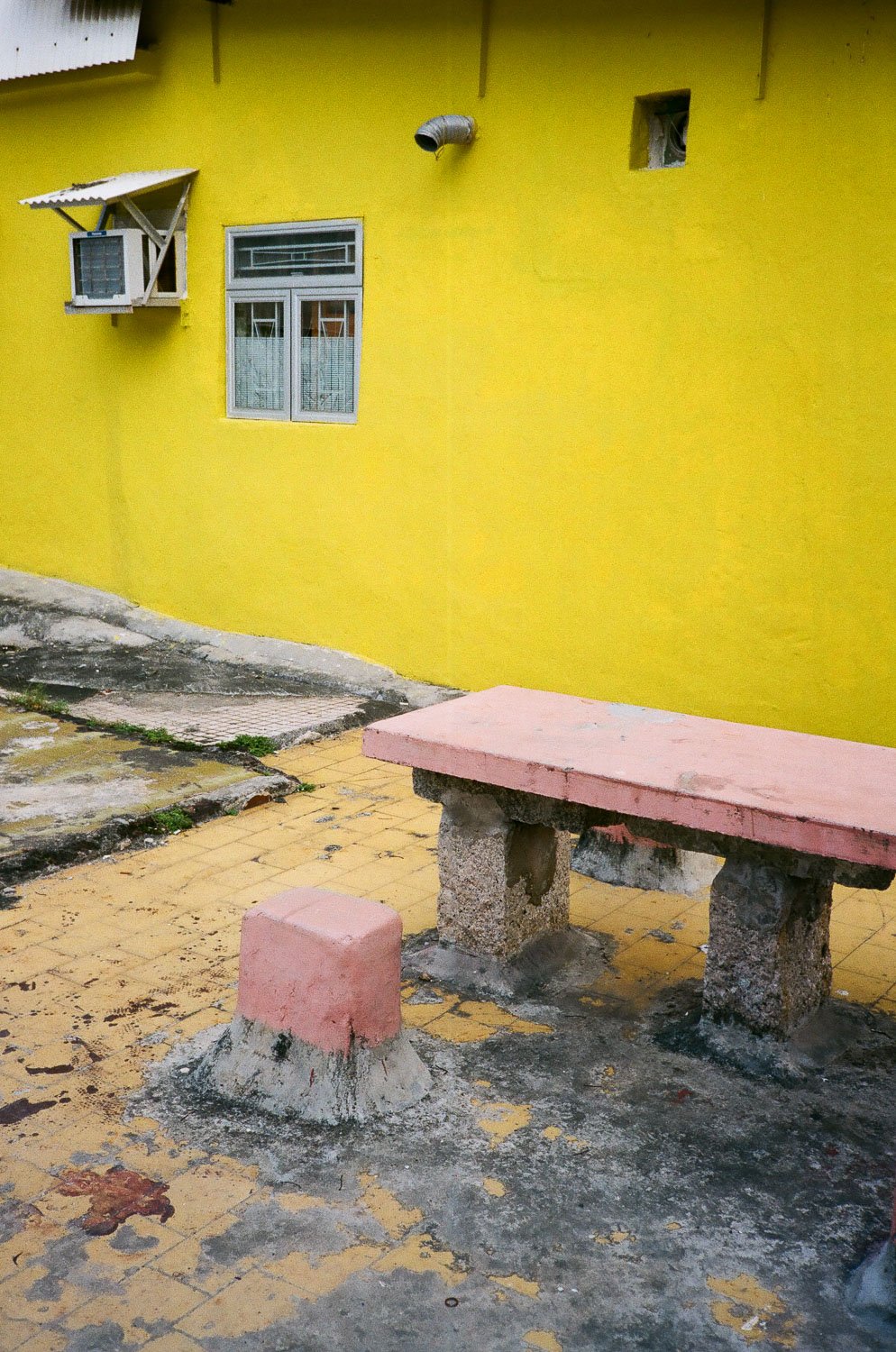
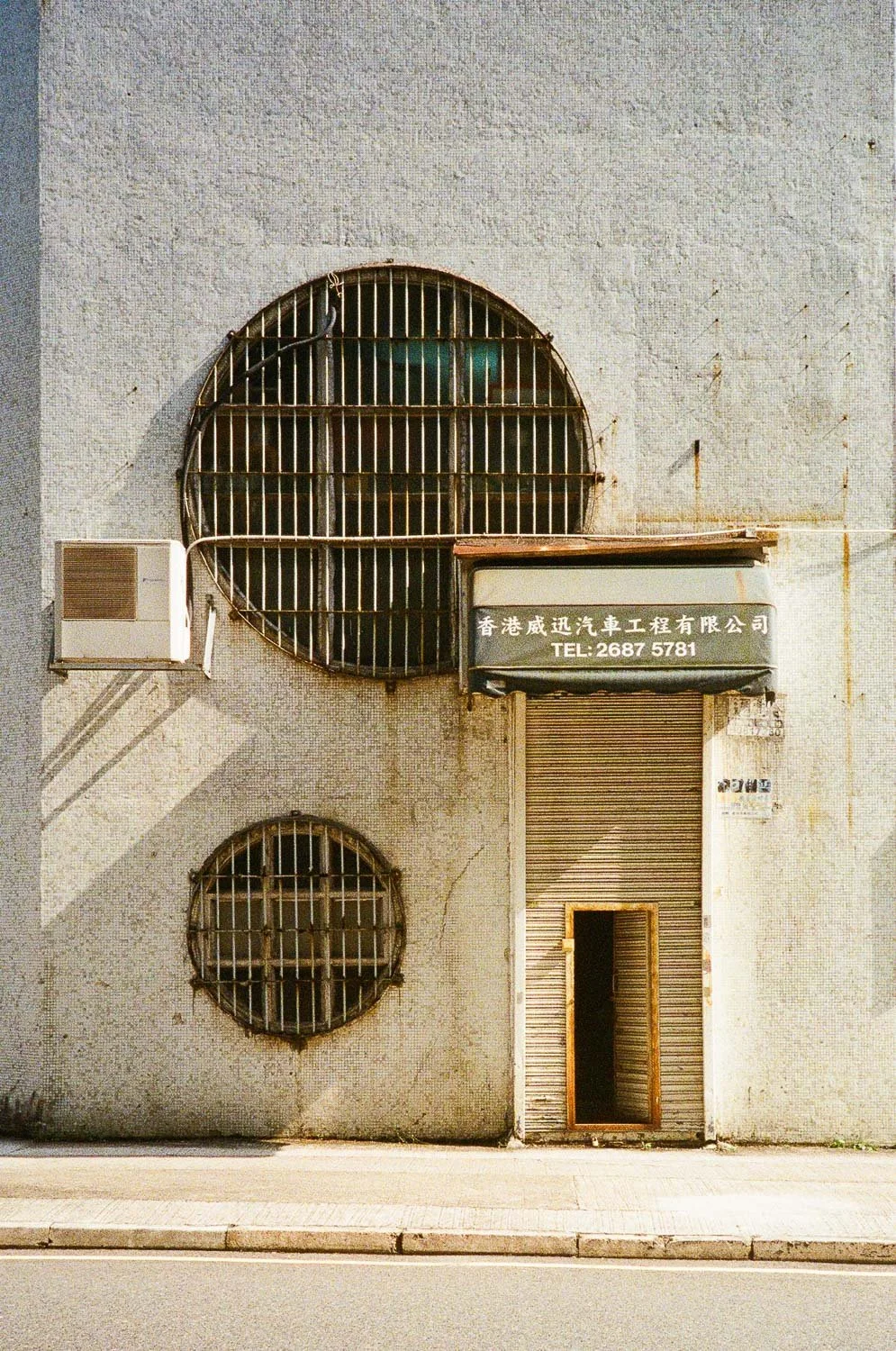
Over the past ten years, I've walked around the city with an old point-and-shoot camera in my pocket, taking snapshots of whatever caught my eye.
A common thread emerged, and after pulling on it there emerged a kind of patchwork quilt of Hong Kong design thinking over the past 80-odd years. Some of the scenes are recognizable—many are not.
This isn't a story of individual constructions, but of how they all fit together. Architectural styles, materials, and trends in patterns and color palettes are only part of the story.
The other part is told by the way dirt and algae accumulate in distinct ways, the assemblages of debris, and the way that people have remolded the built environment in their own image.
This series explores a “spatial unconscious” that functions as the city’s underlying visual language. It aims to provide evidence of threads of connection, not to define or categorize. It might serve as a counter-archive to the official narrative surrounding Hong Kong architecture.
Above all, the images should evoke a sense of familiarity in those who have called this city home. In the words of Ackbar Abbas, to produce “a thereness that is not quite there.”
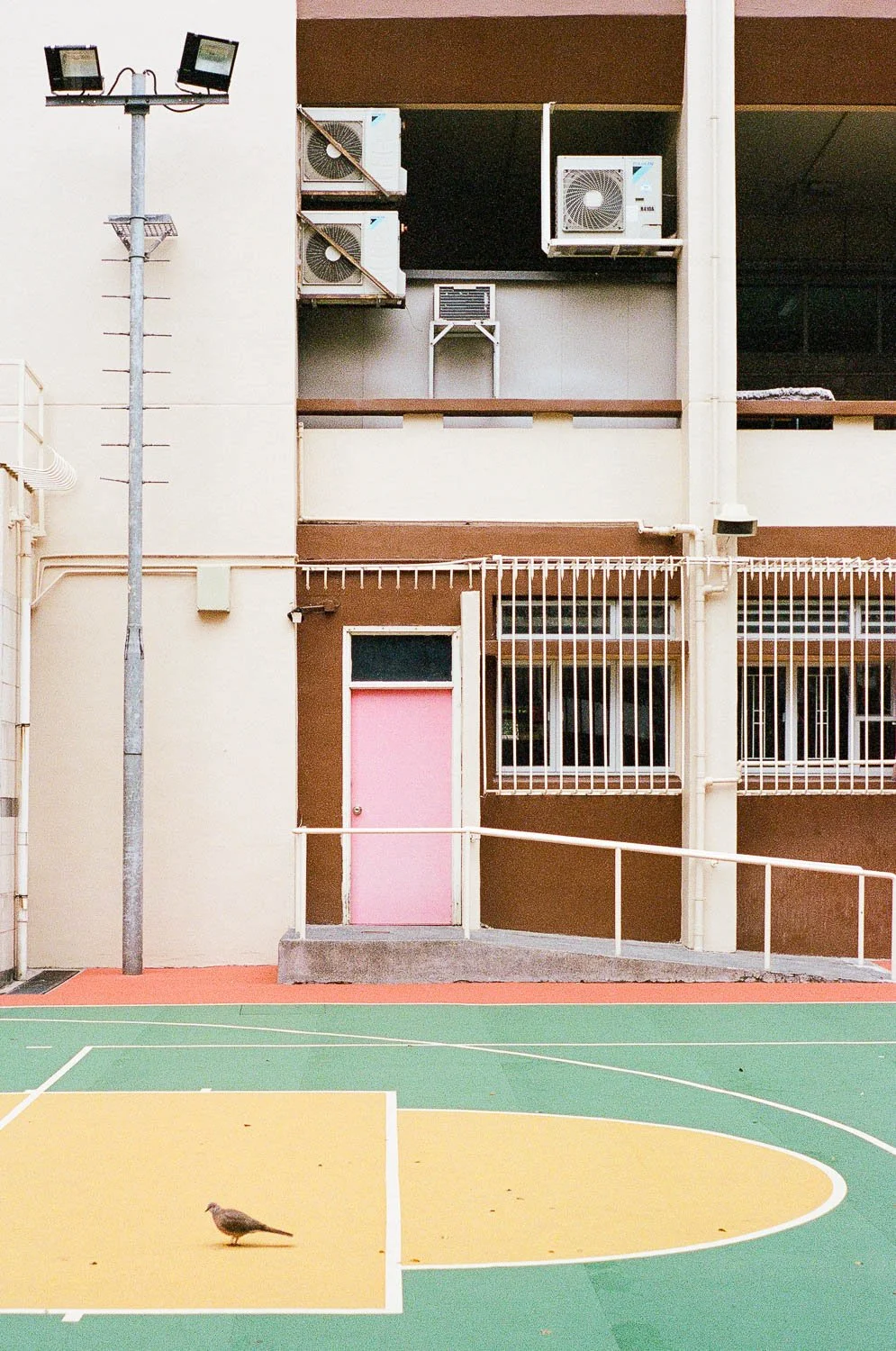
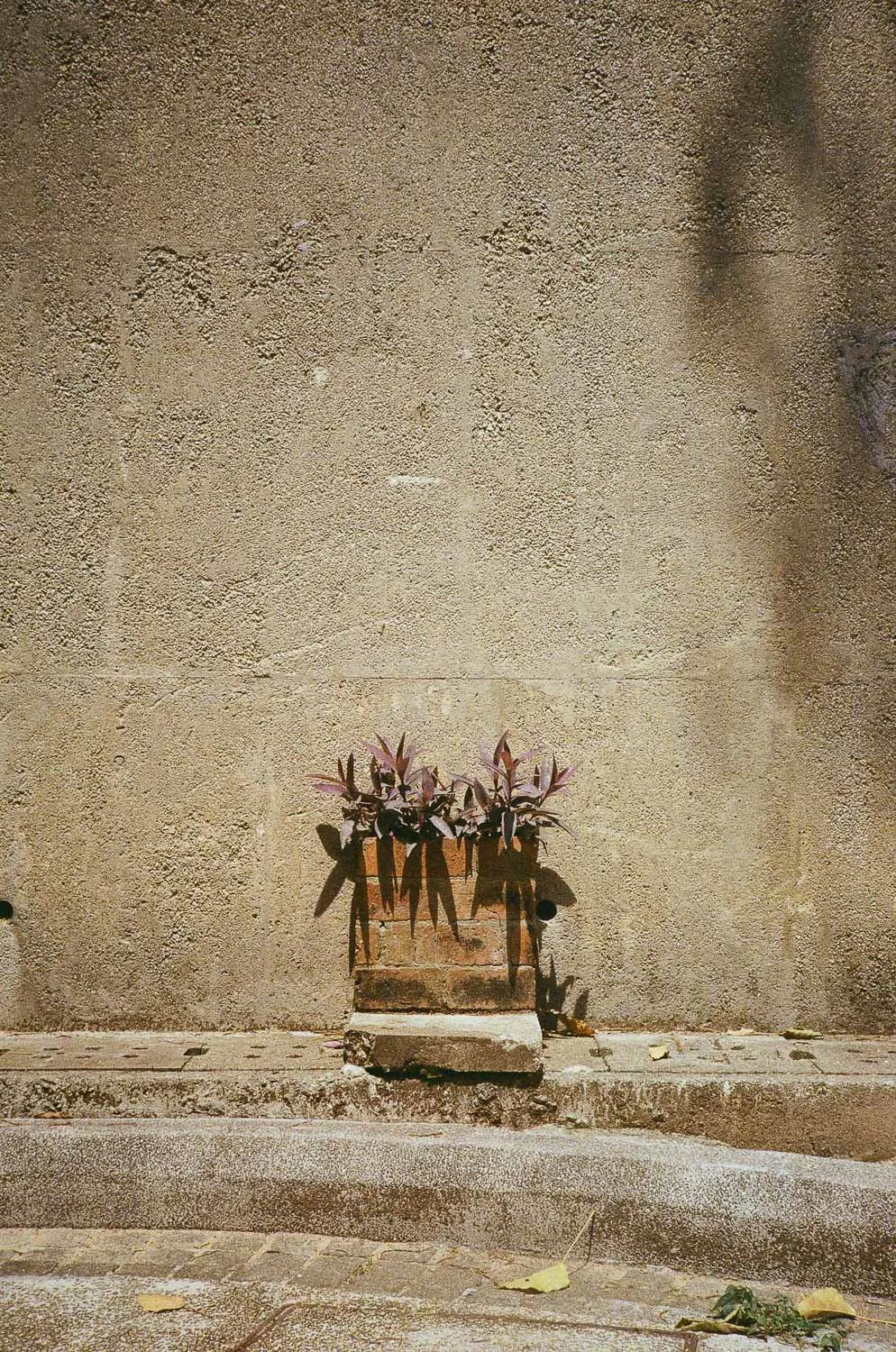
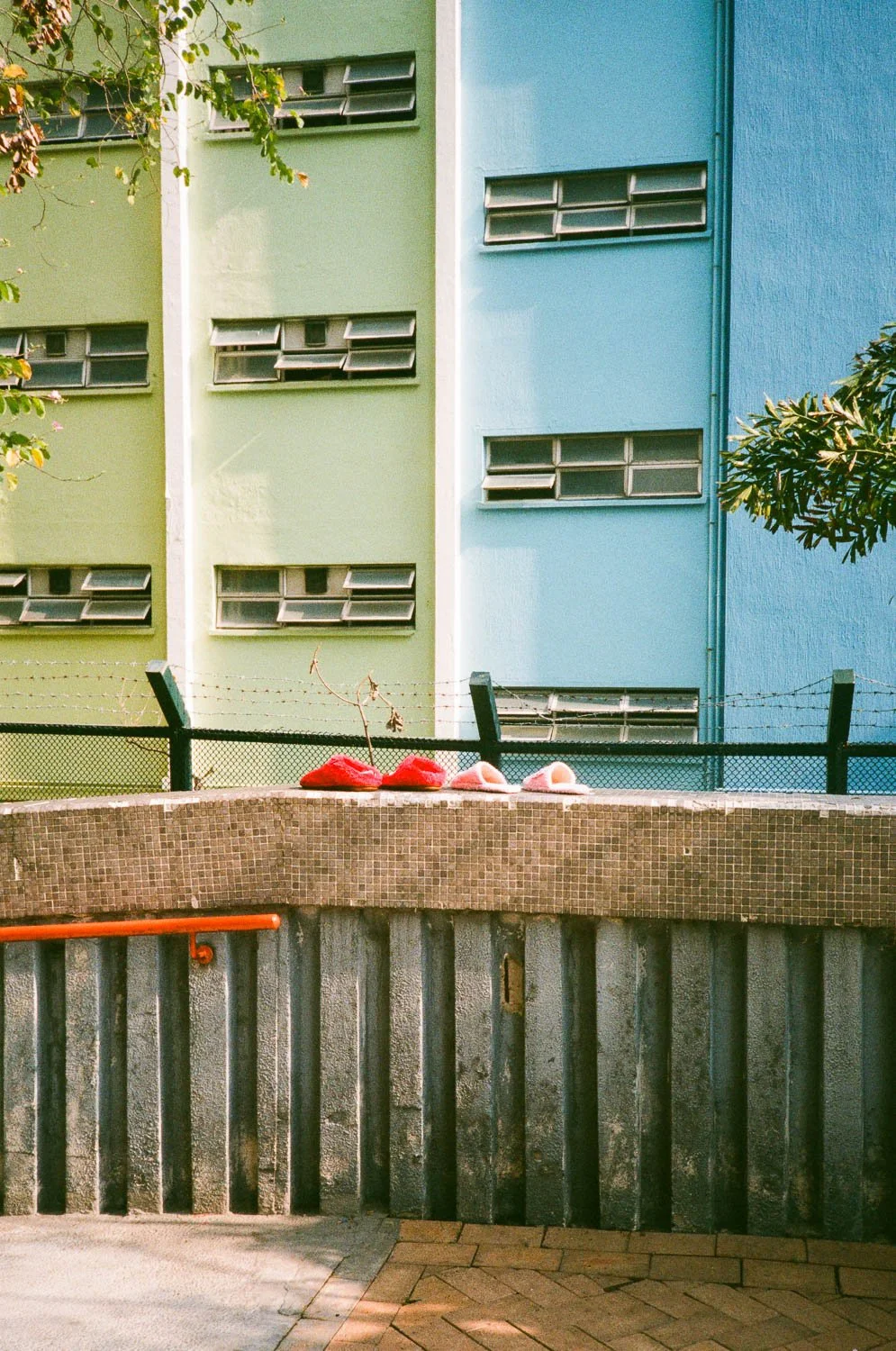
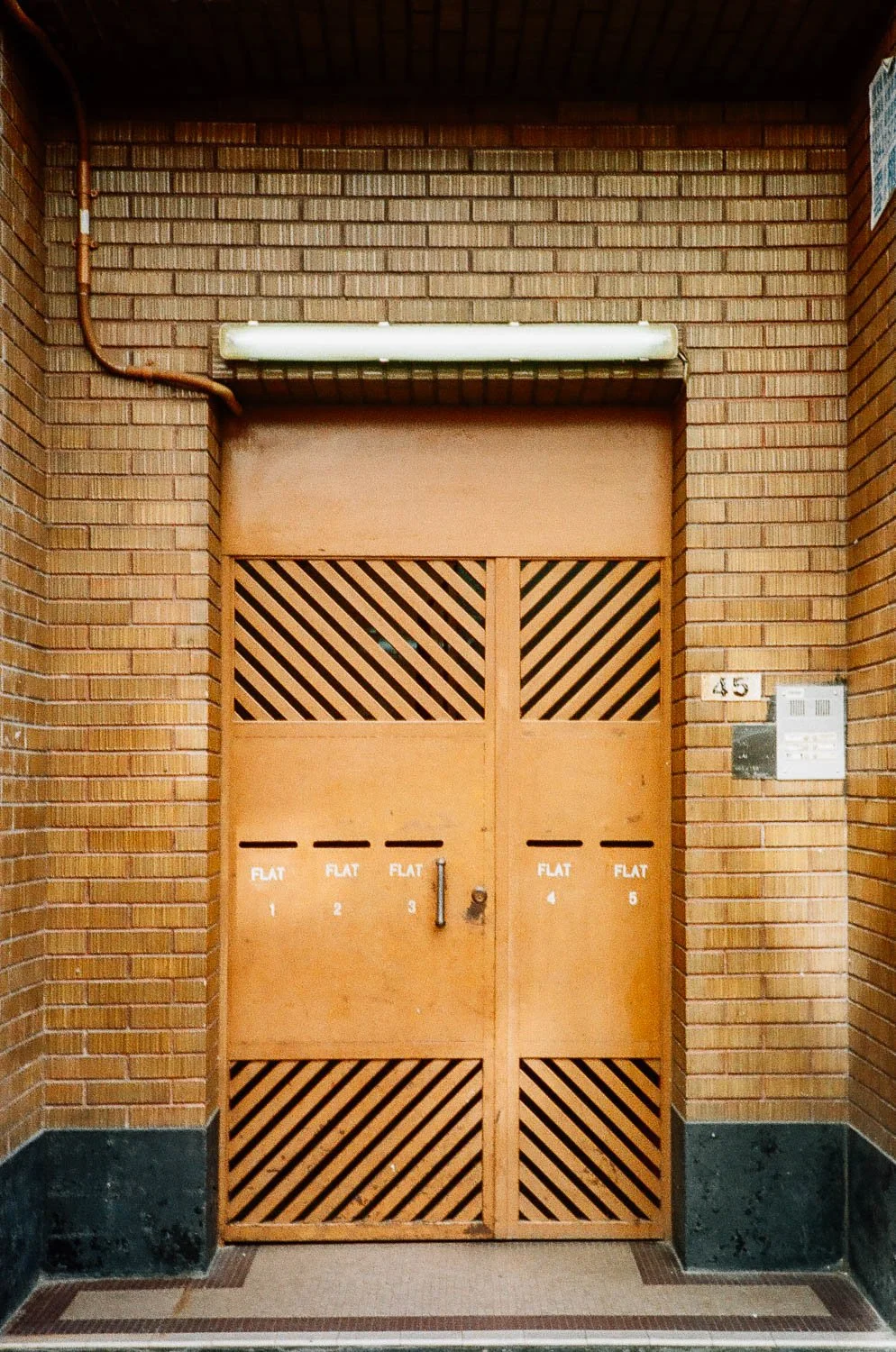
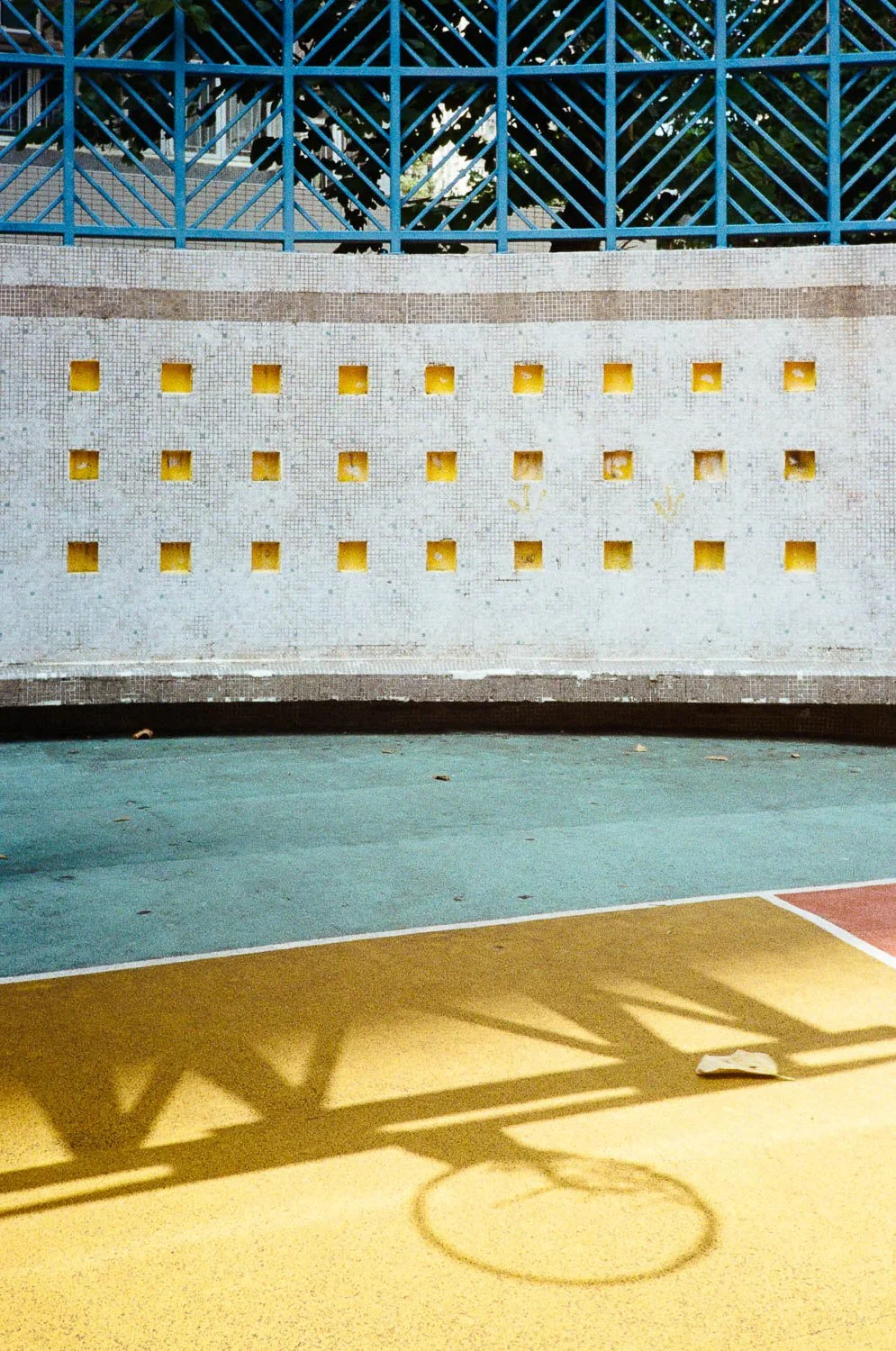
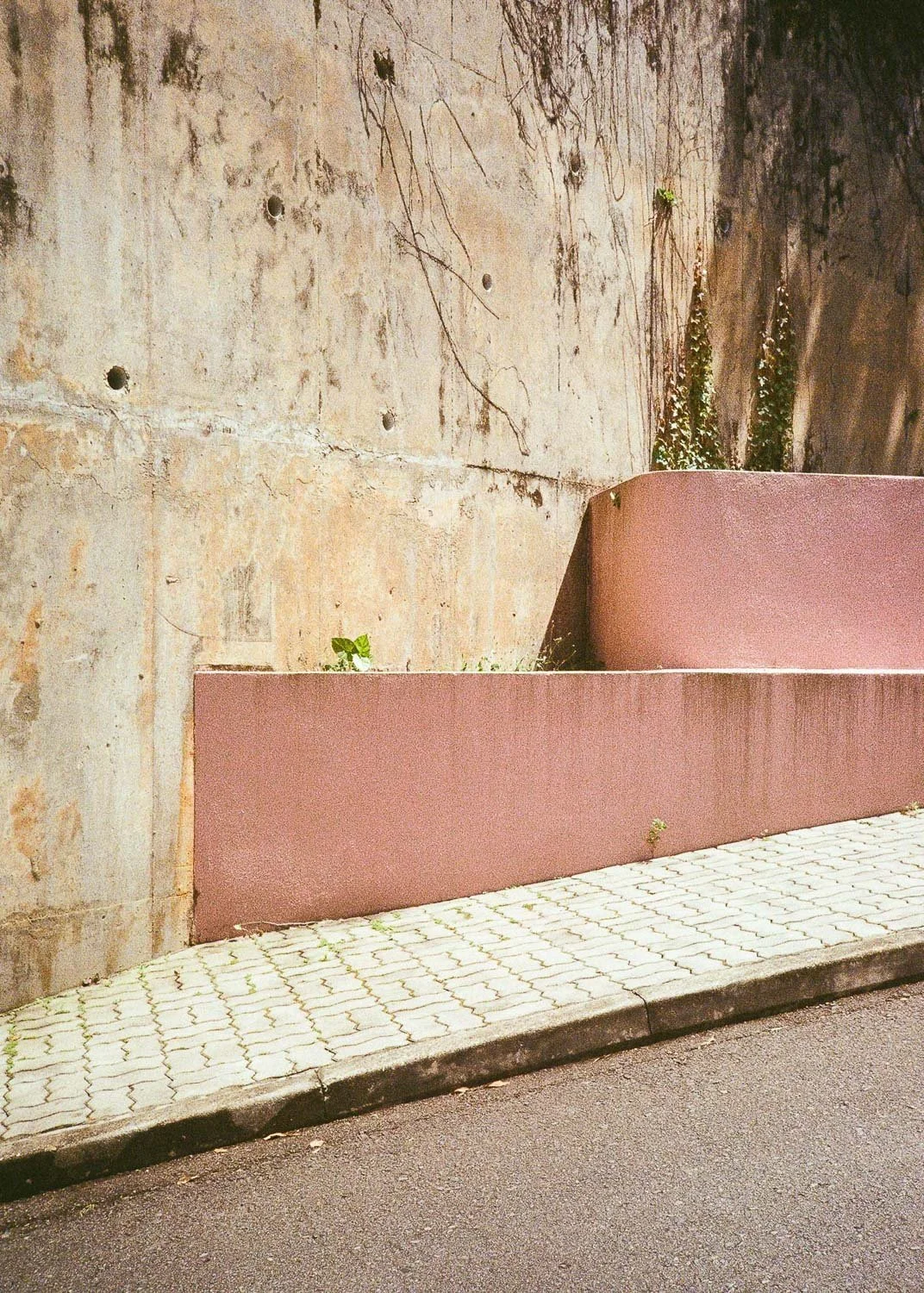
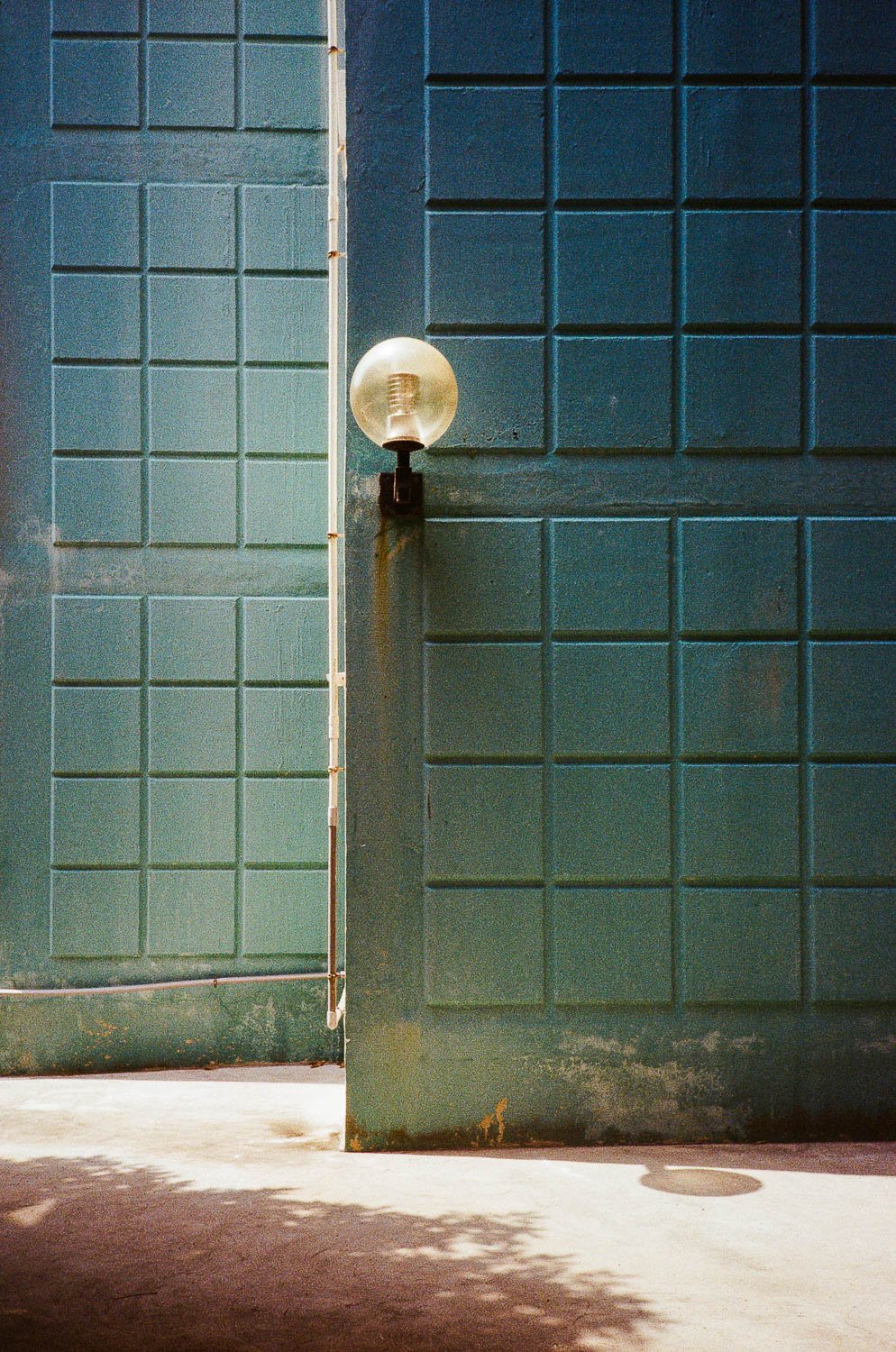
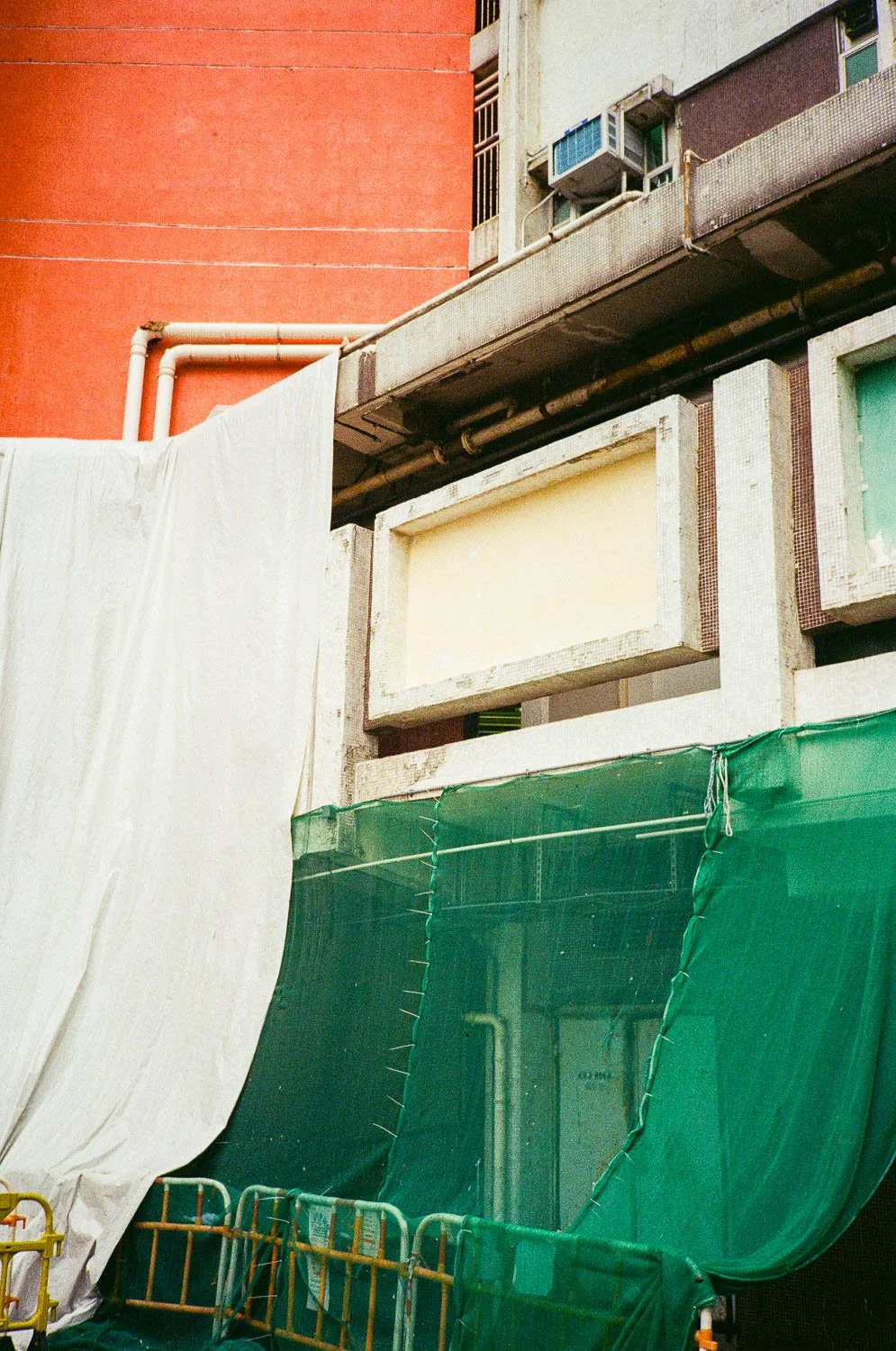
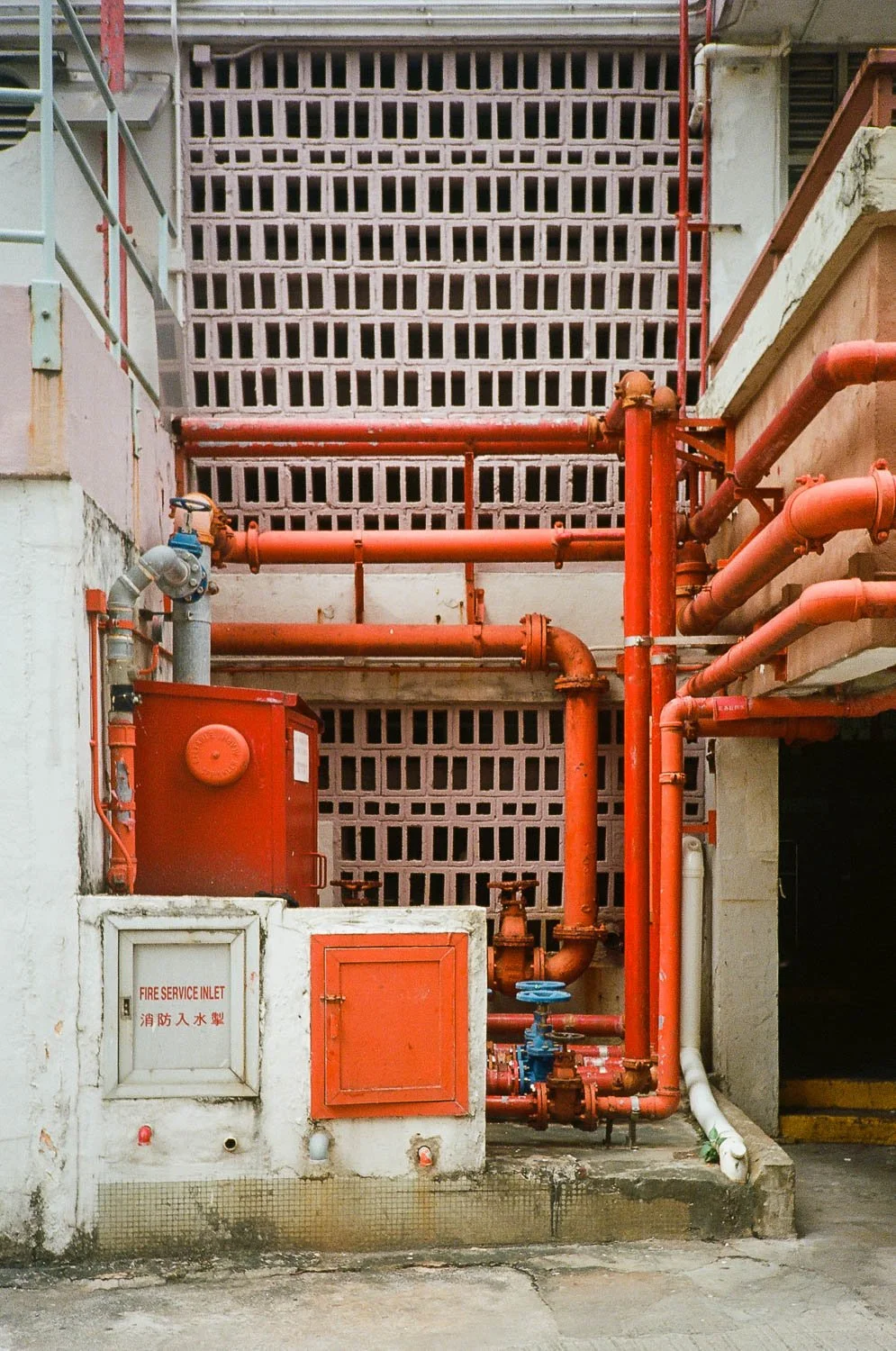
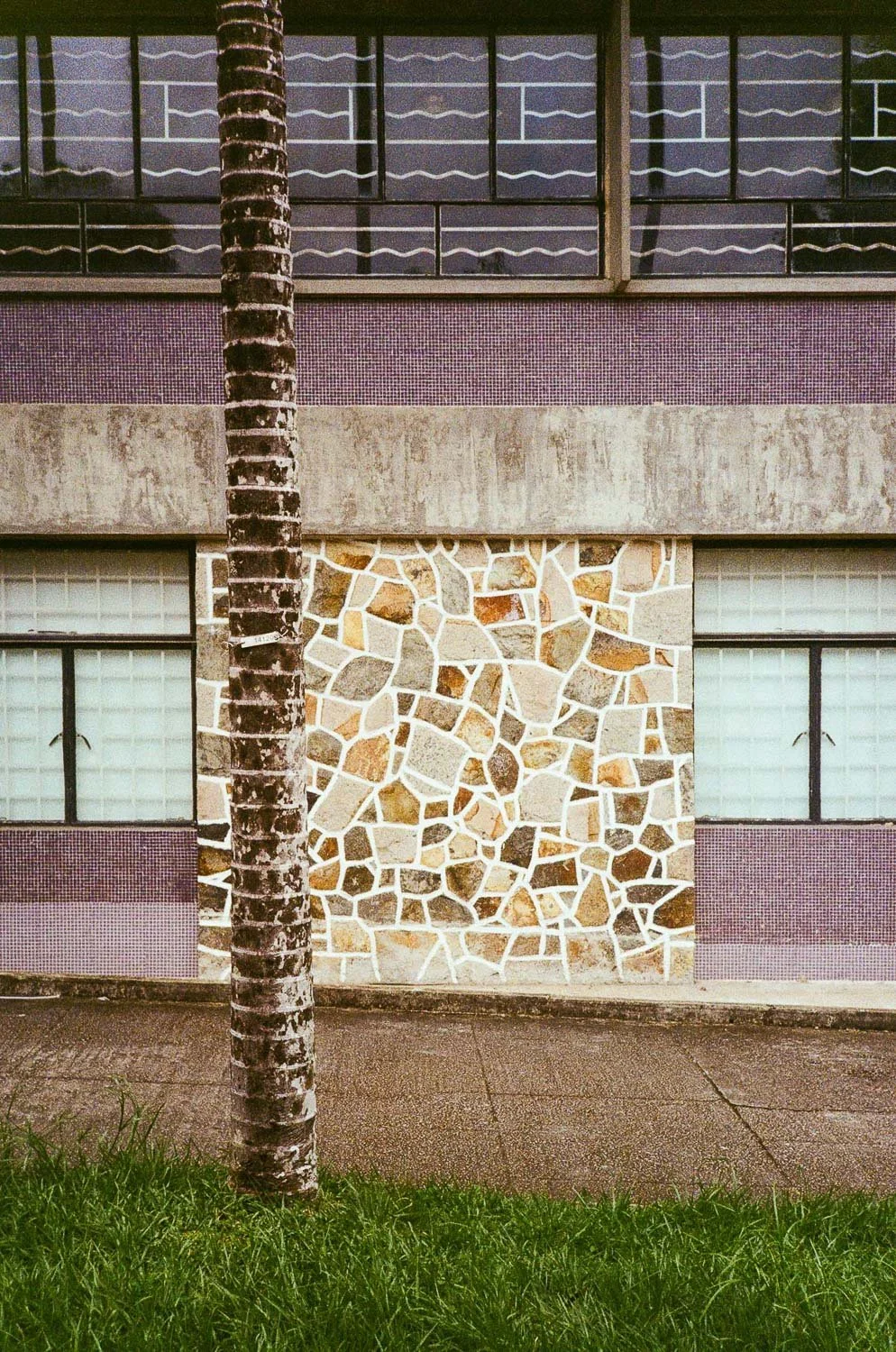
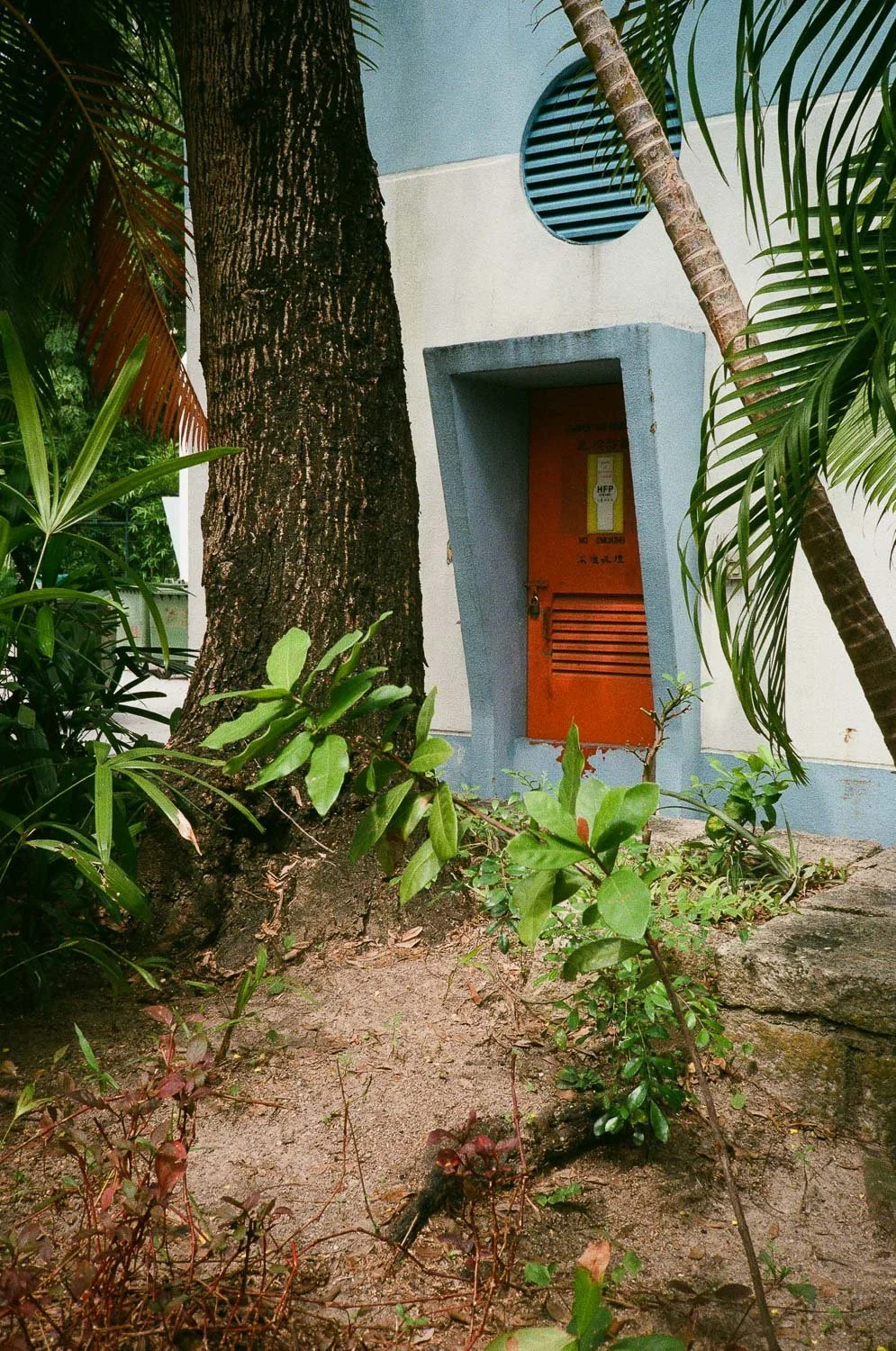
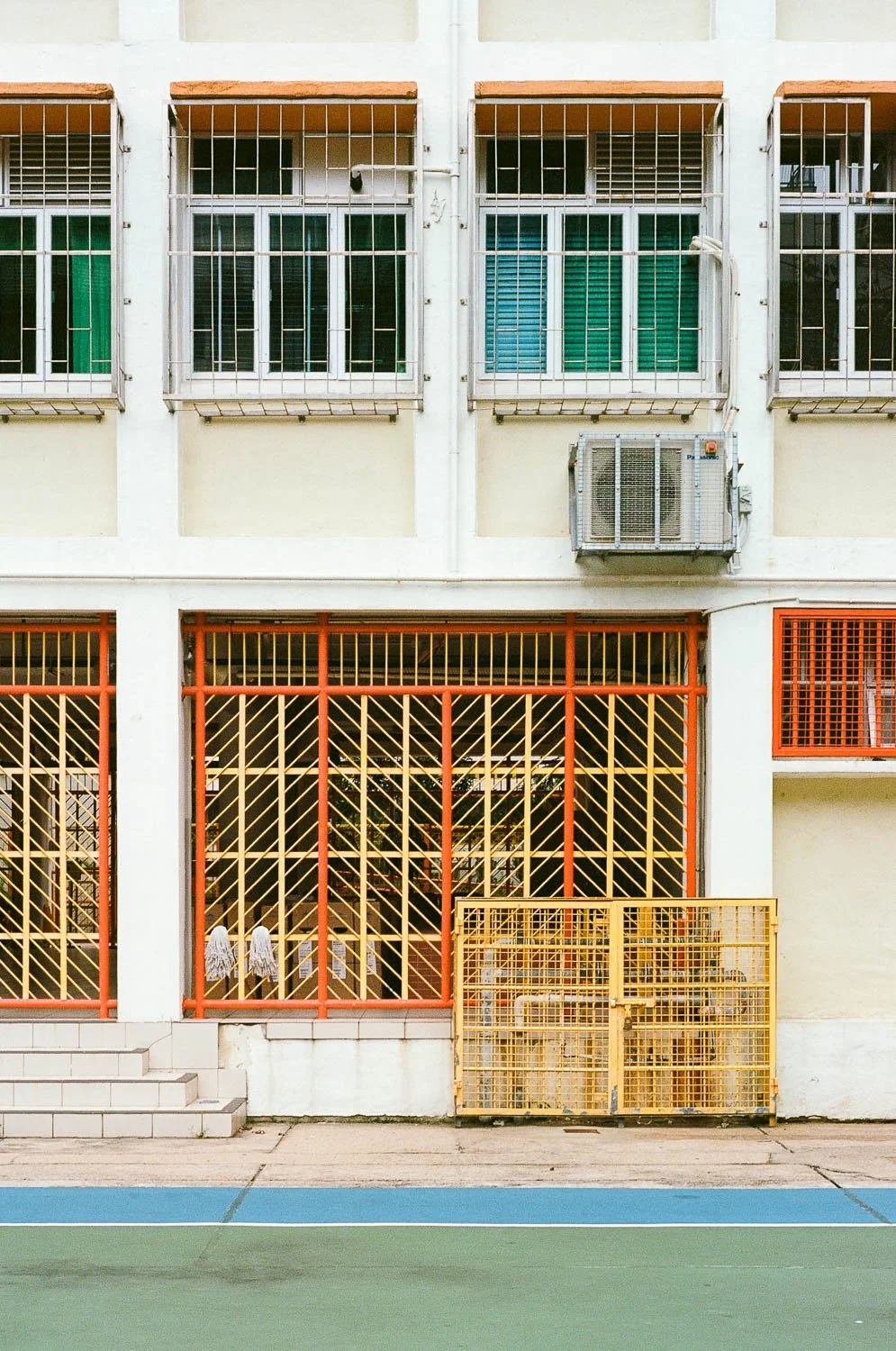
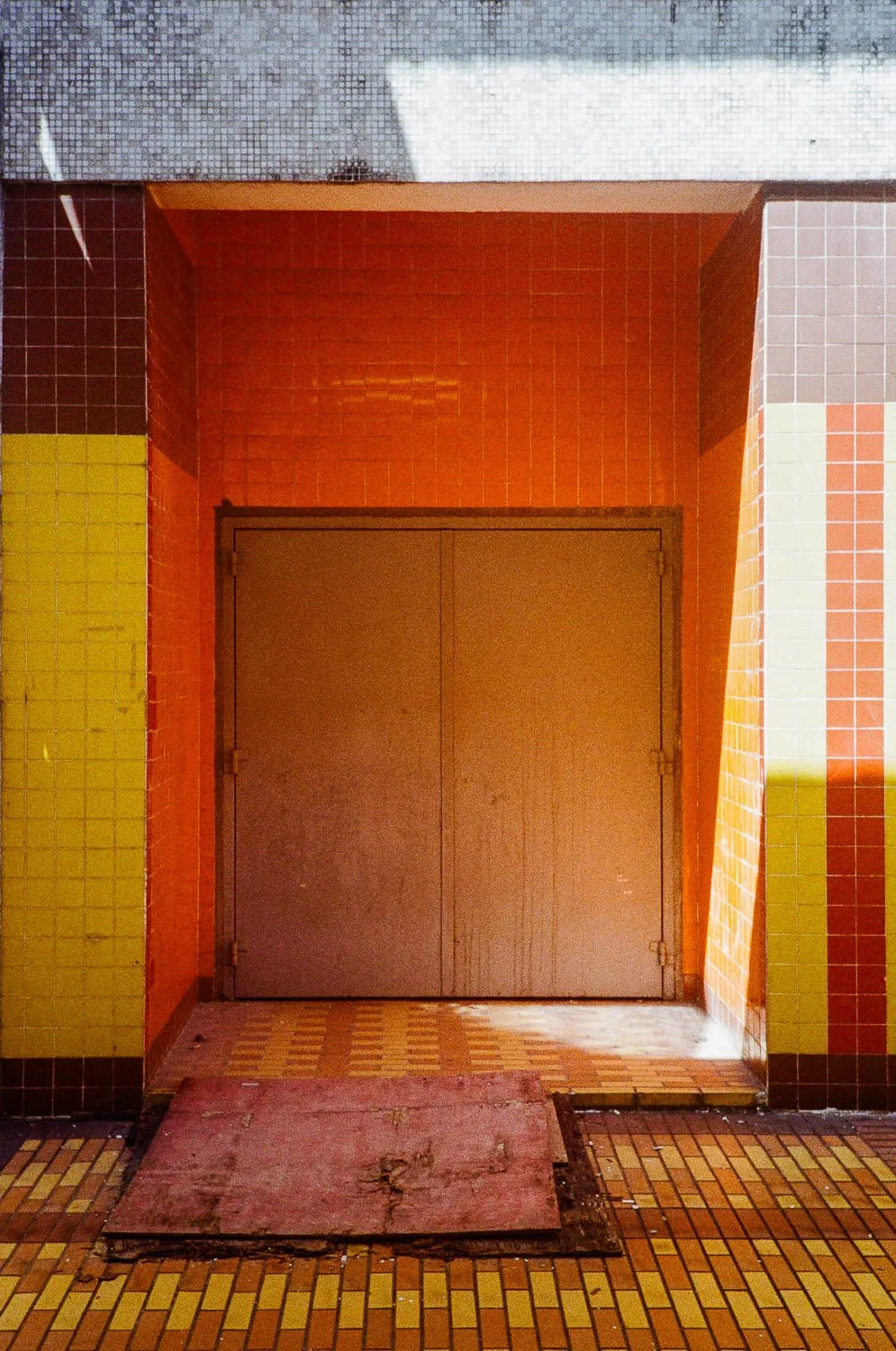
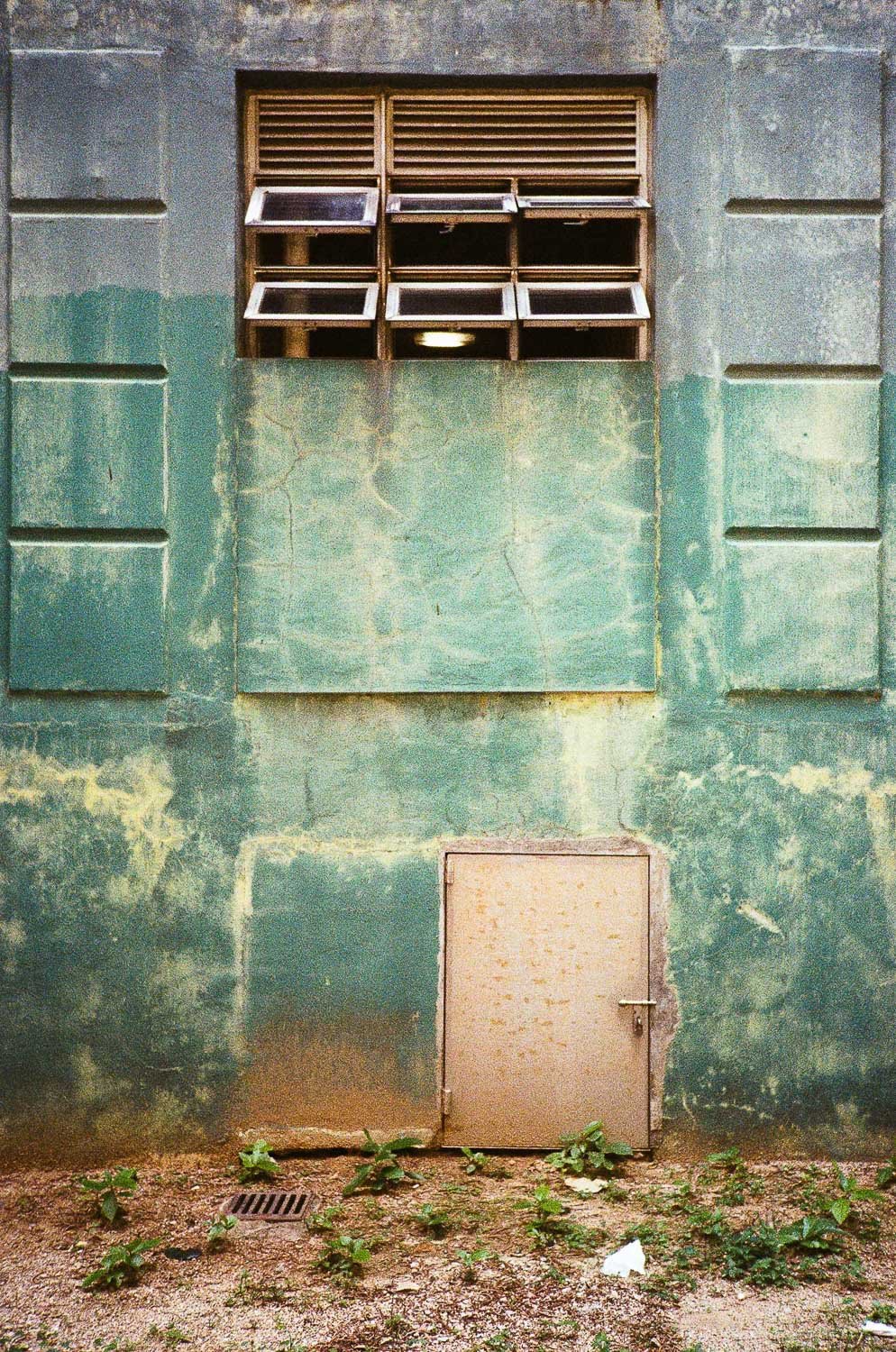
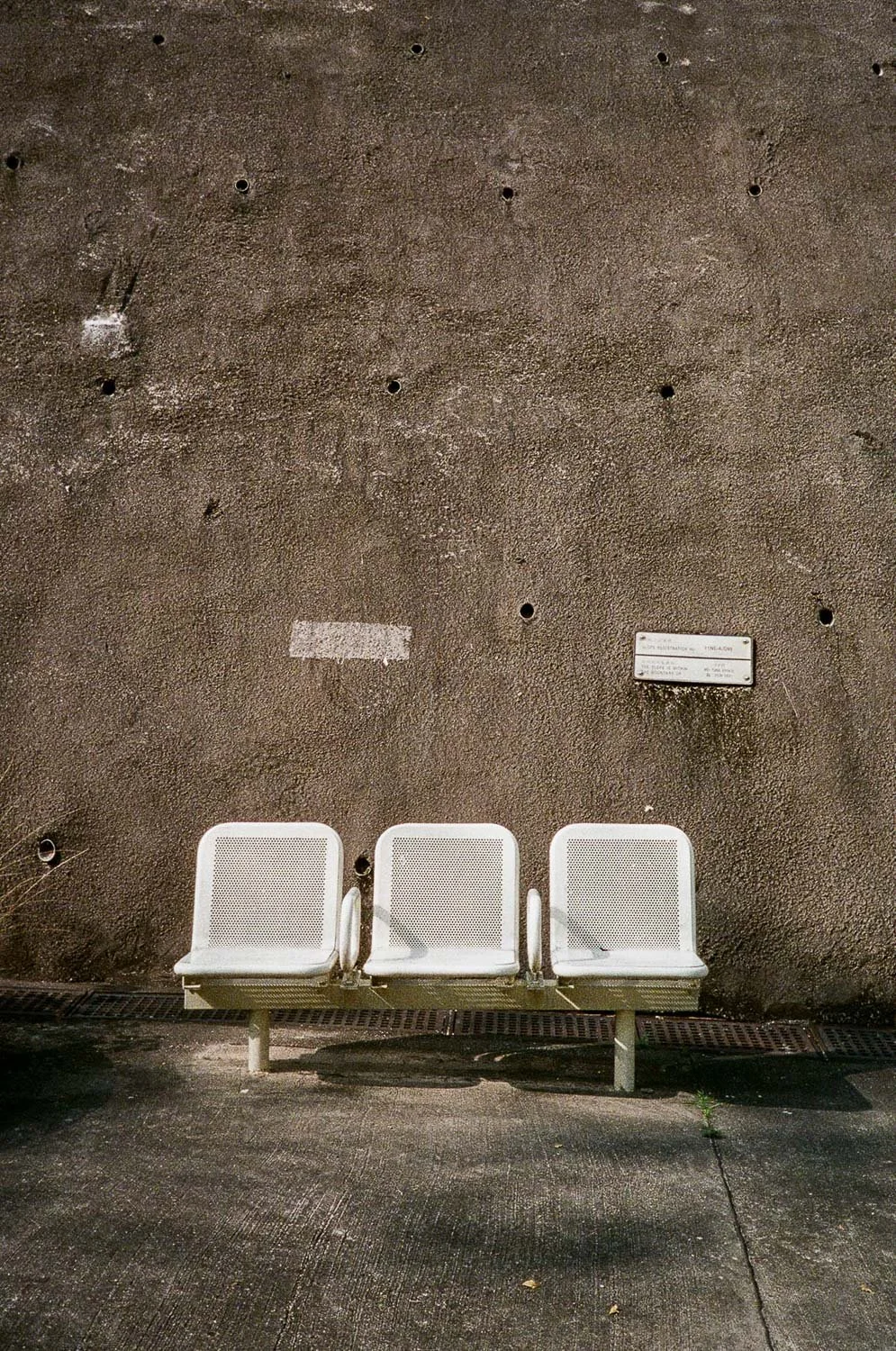
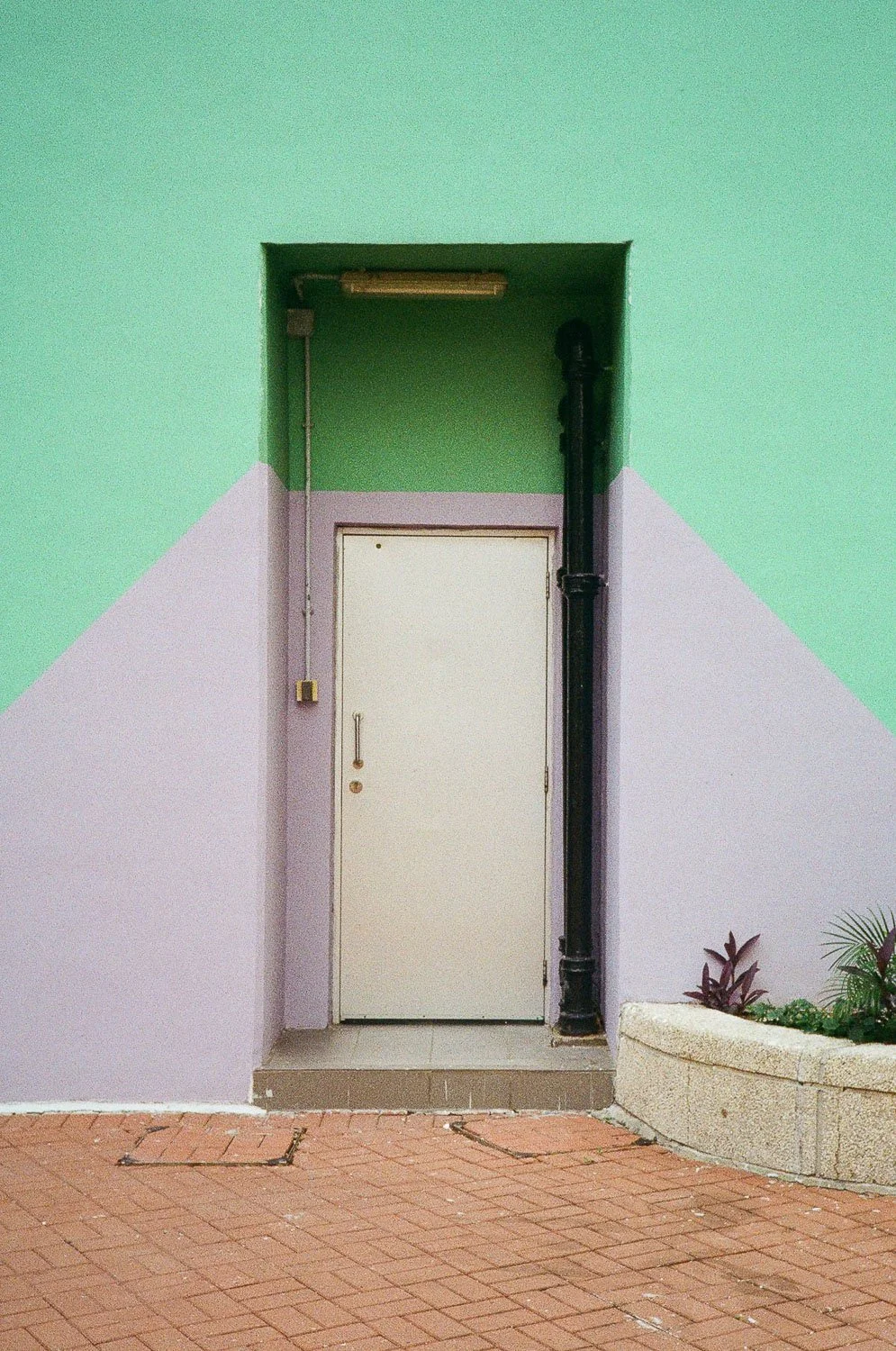
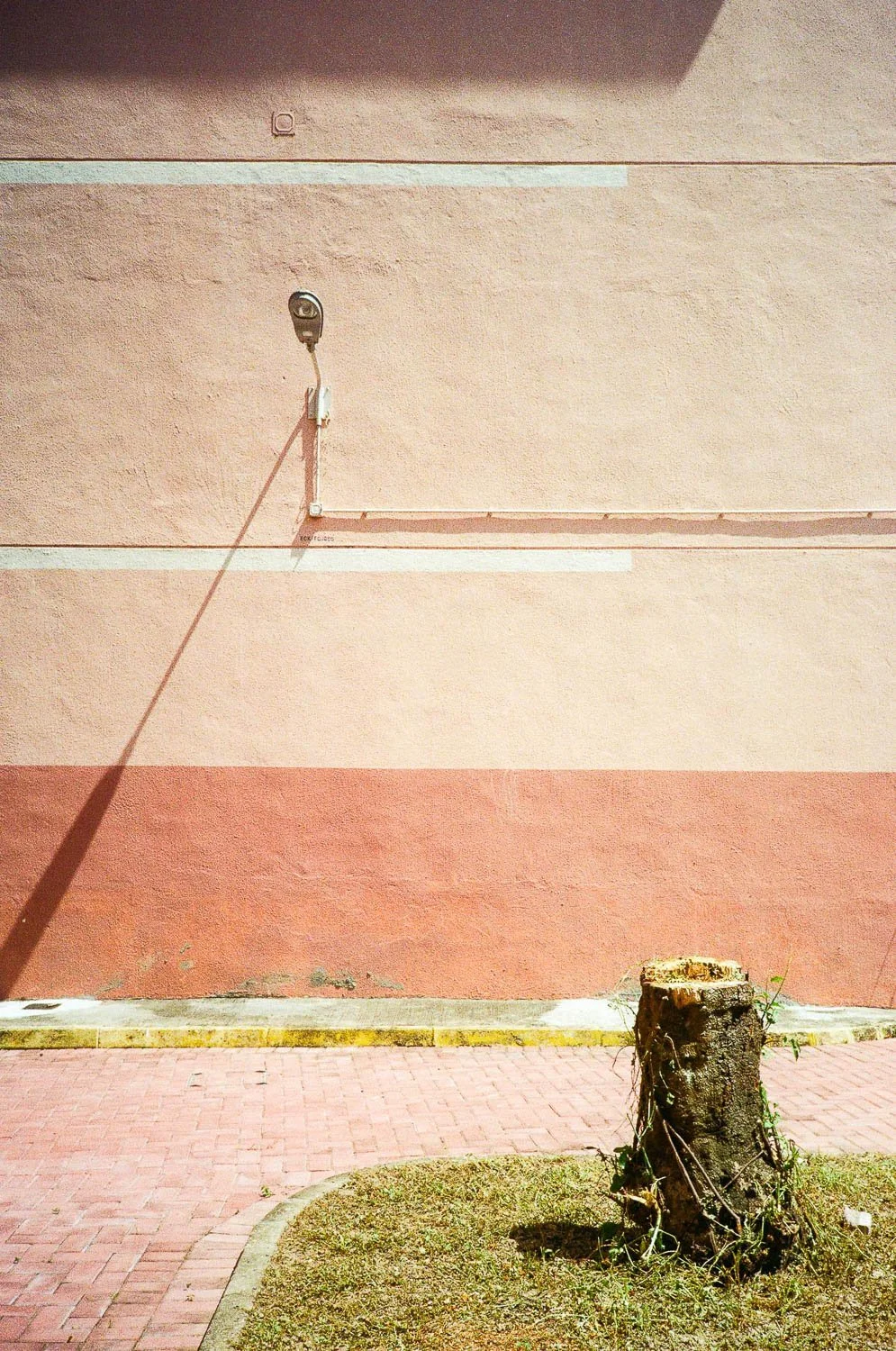
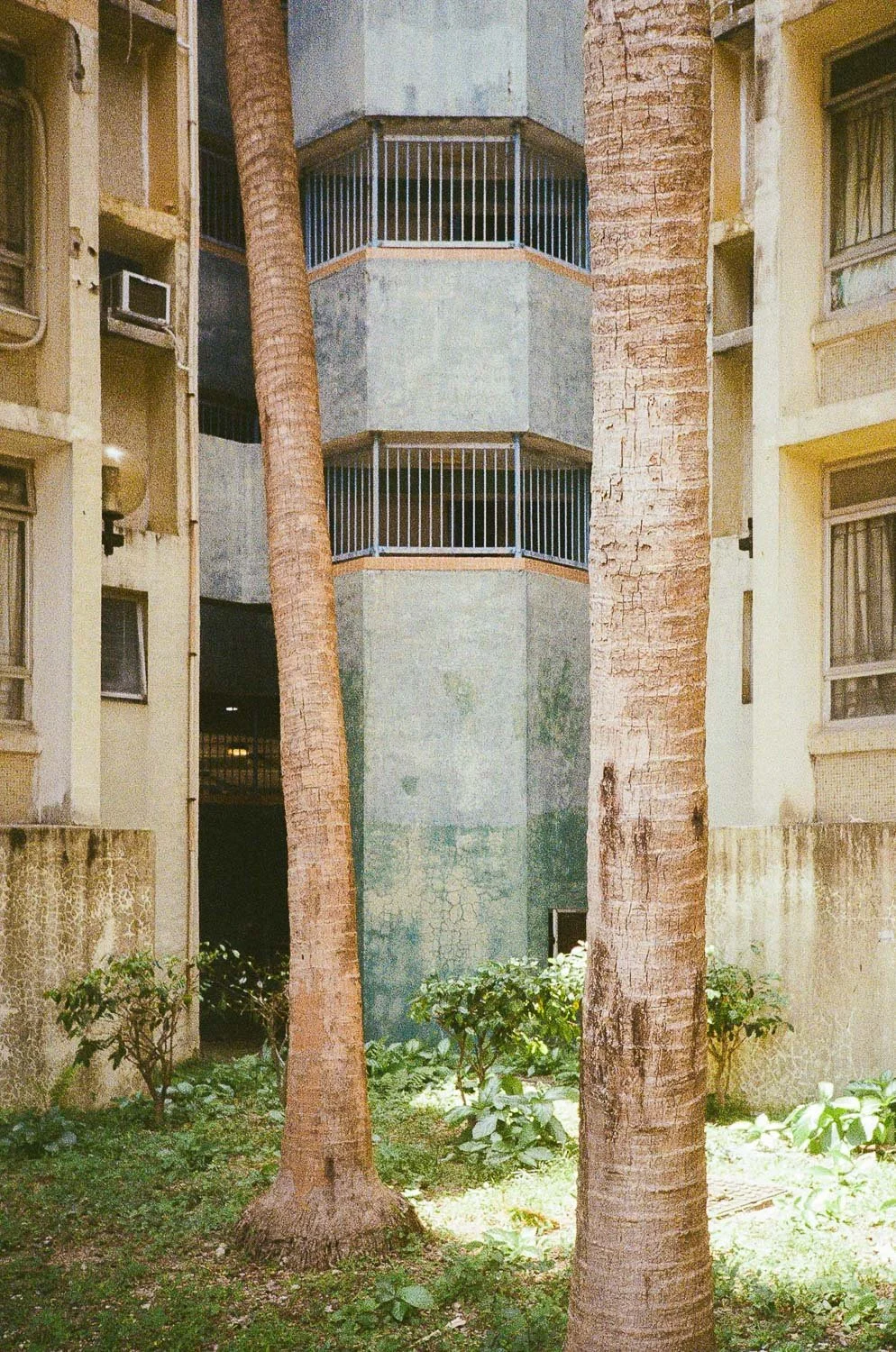

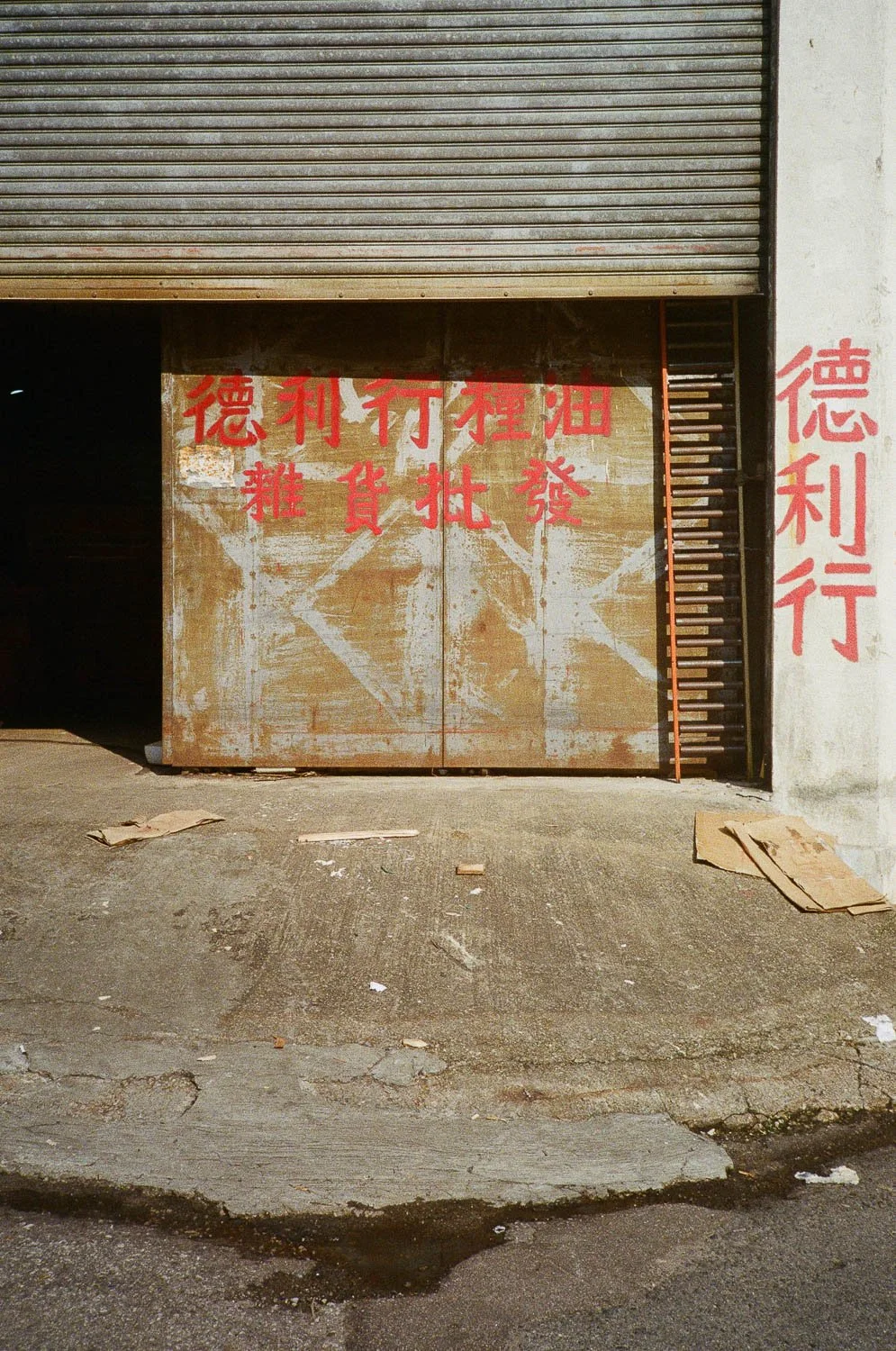
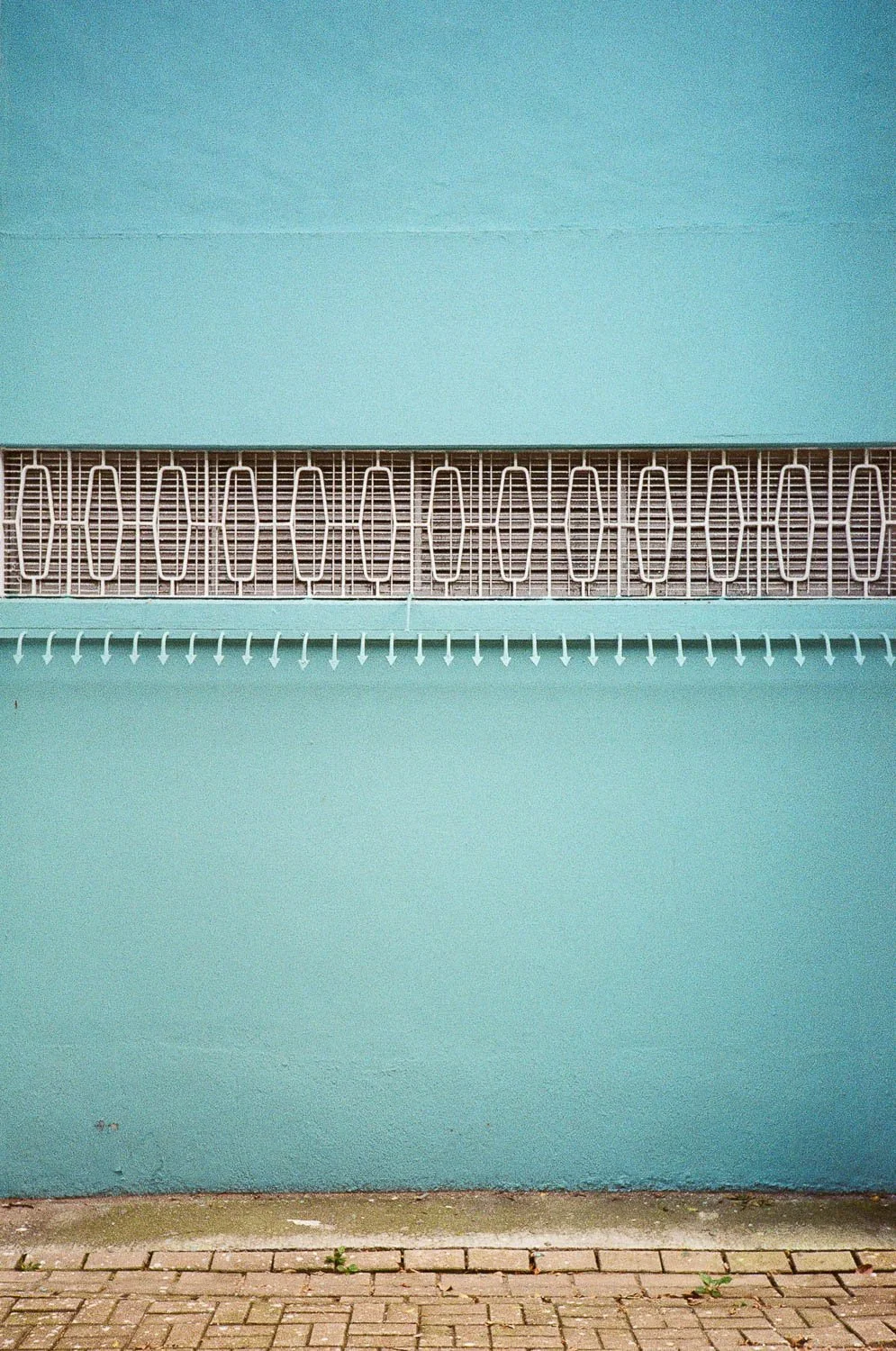

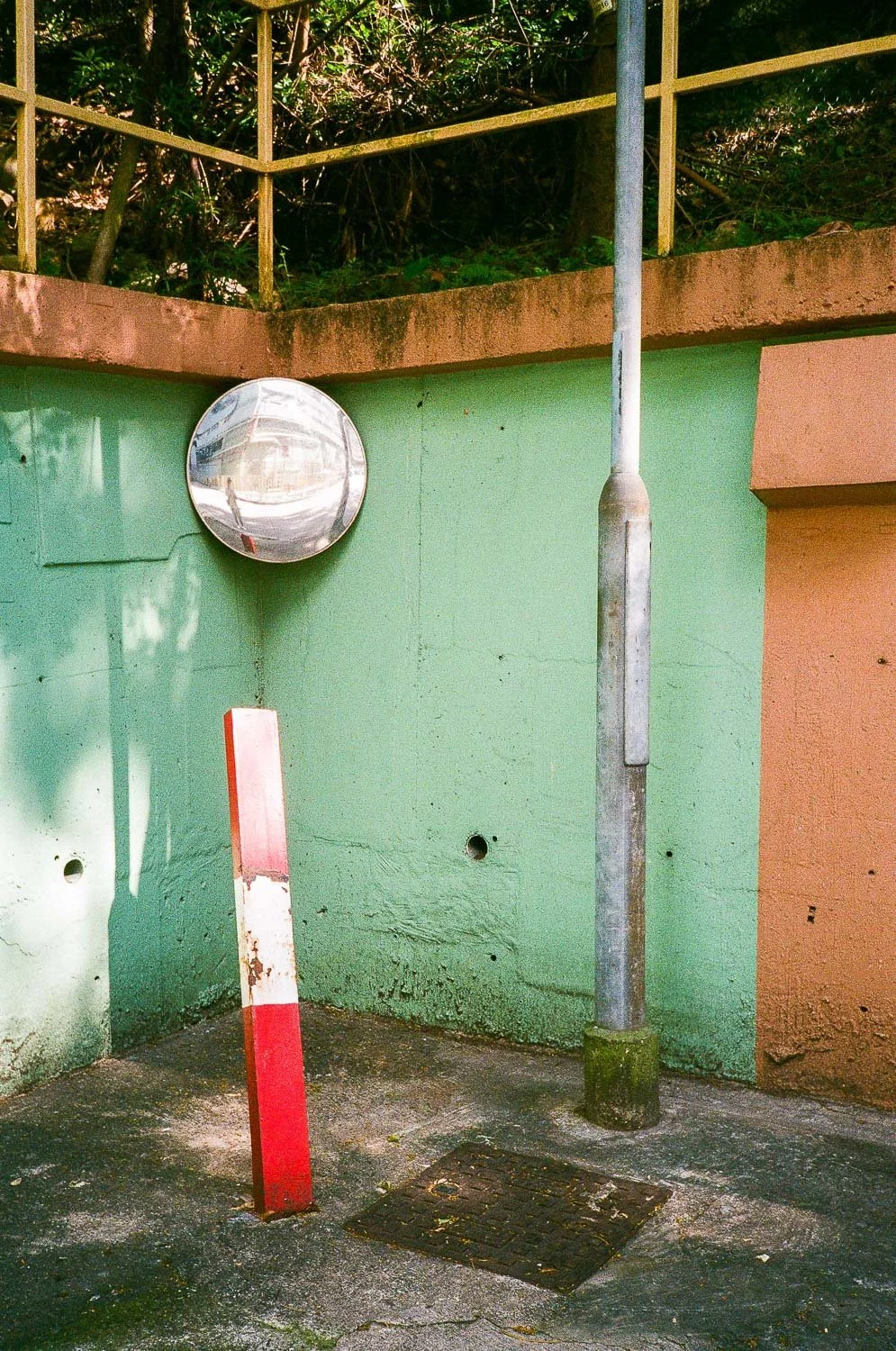
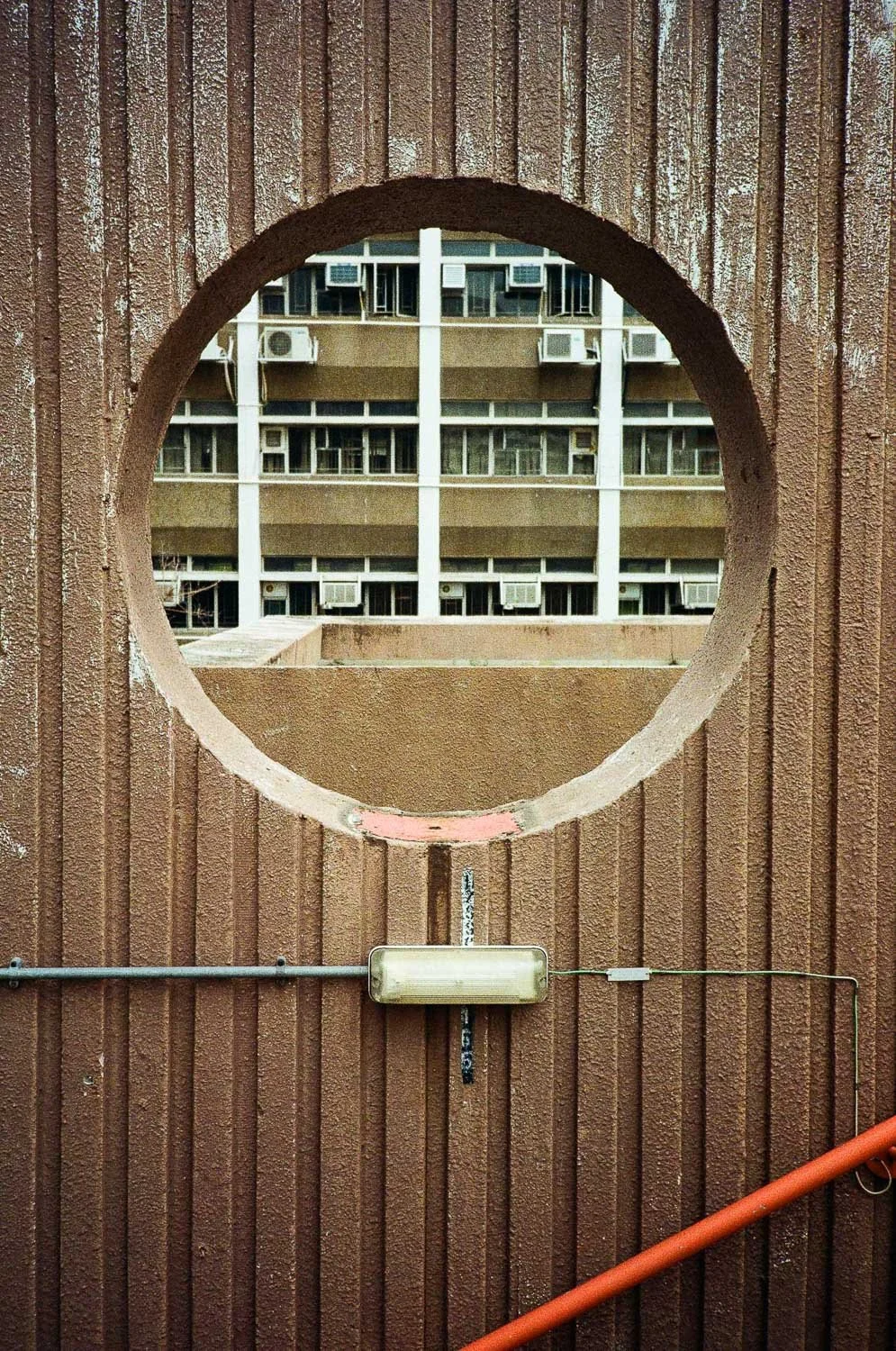
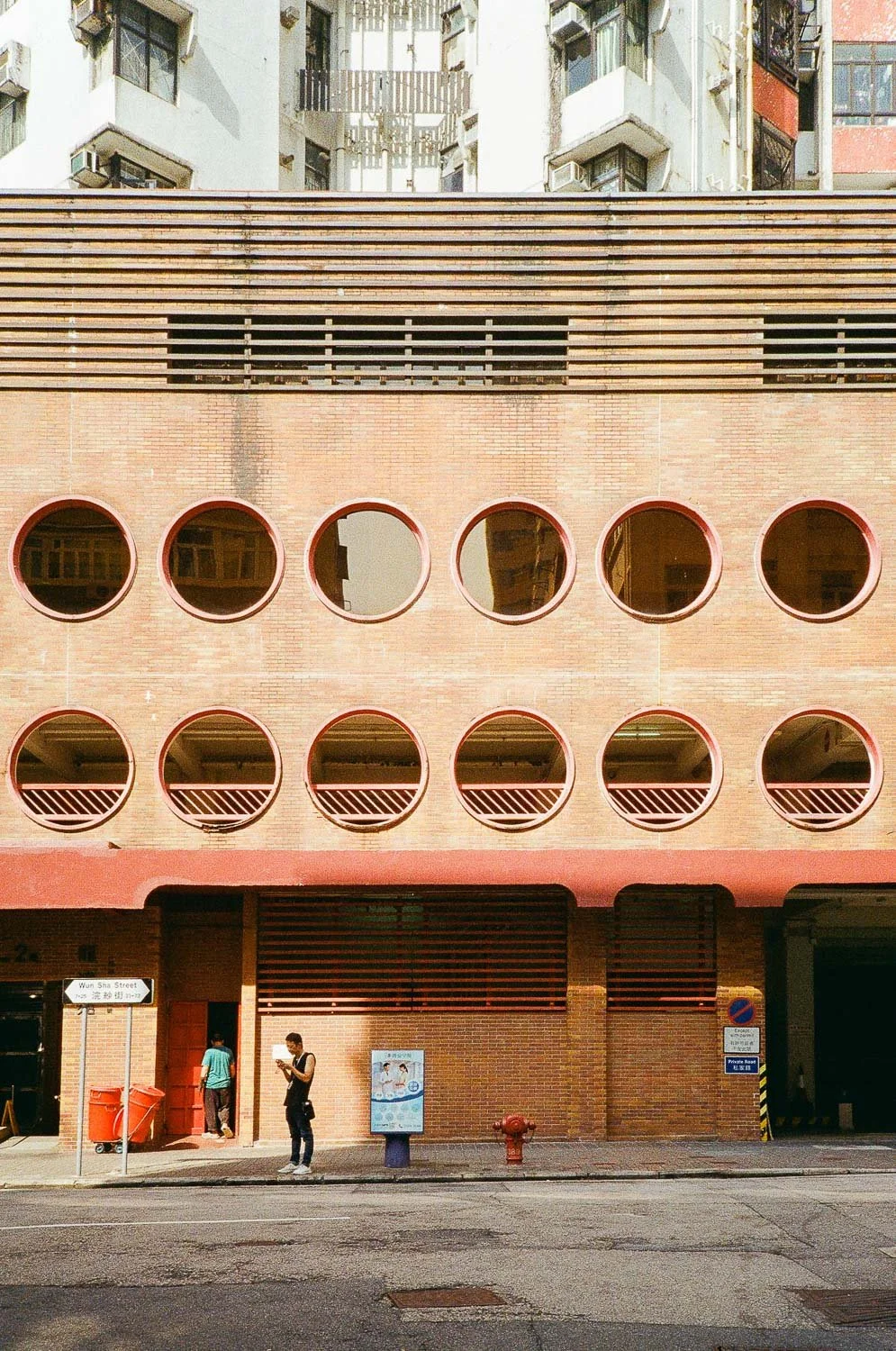
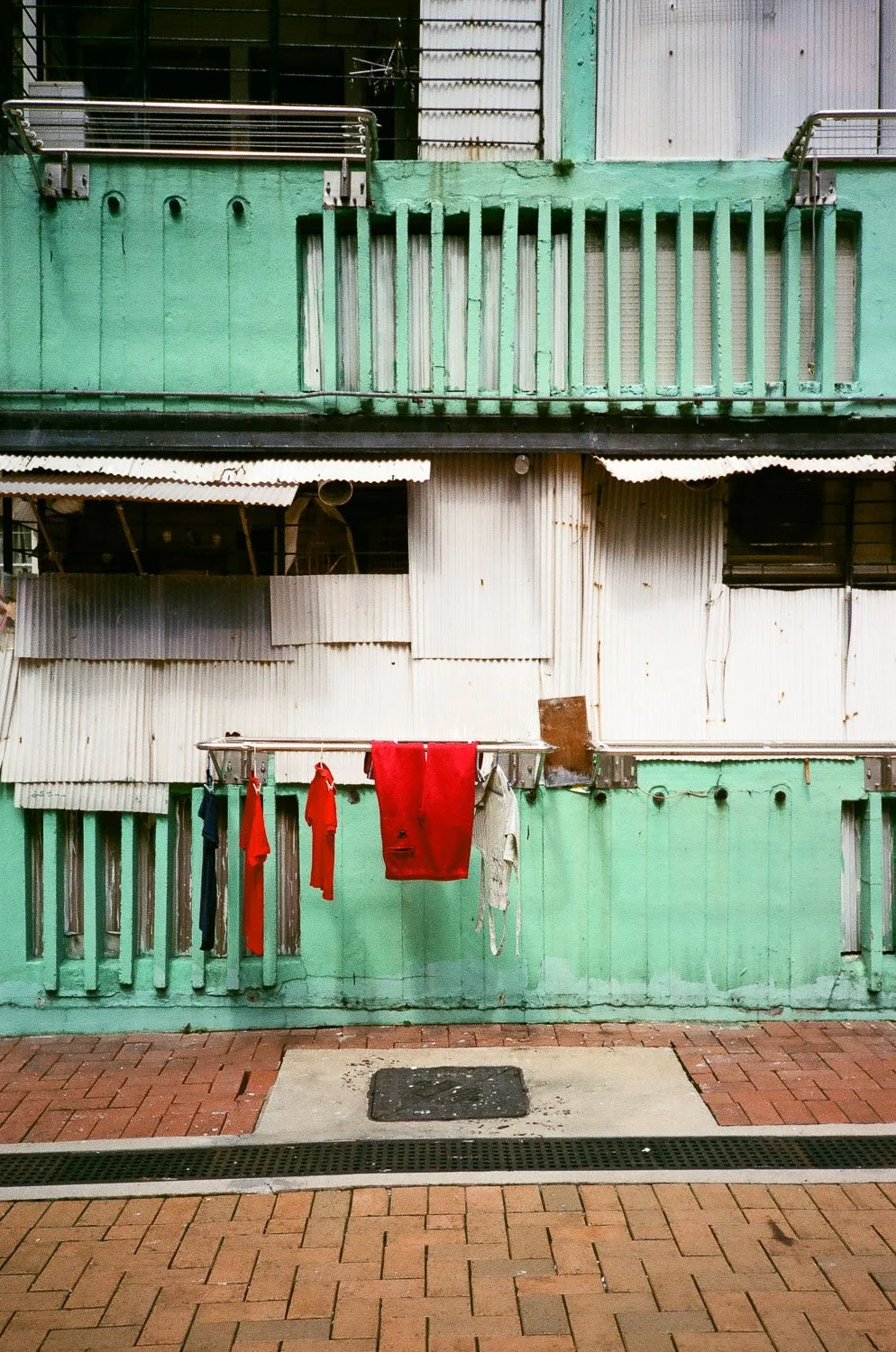
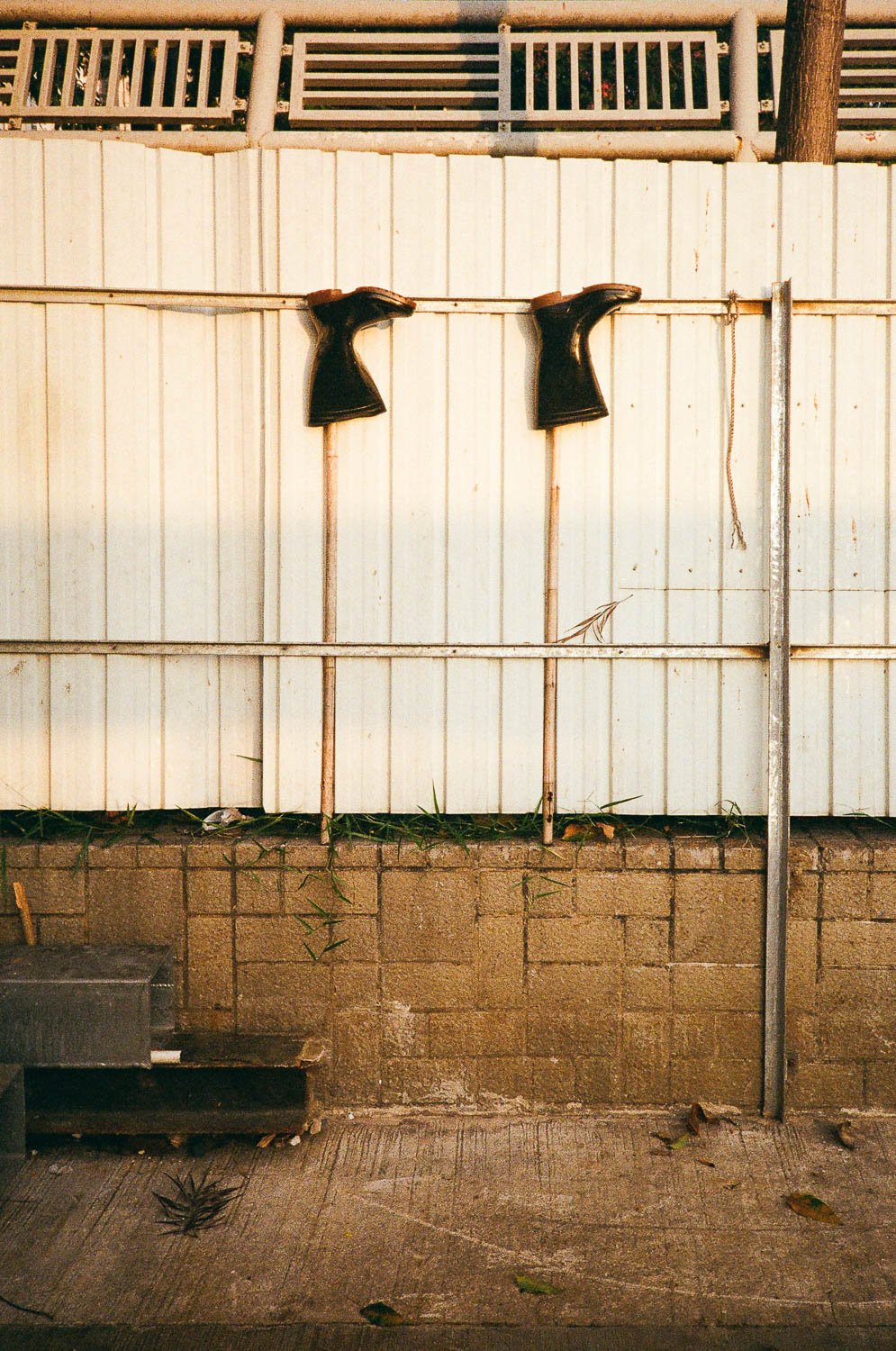
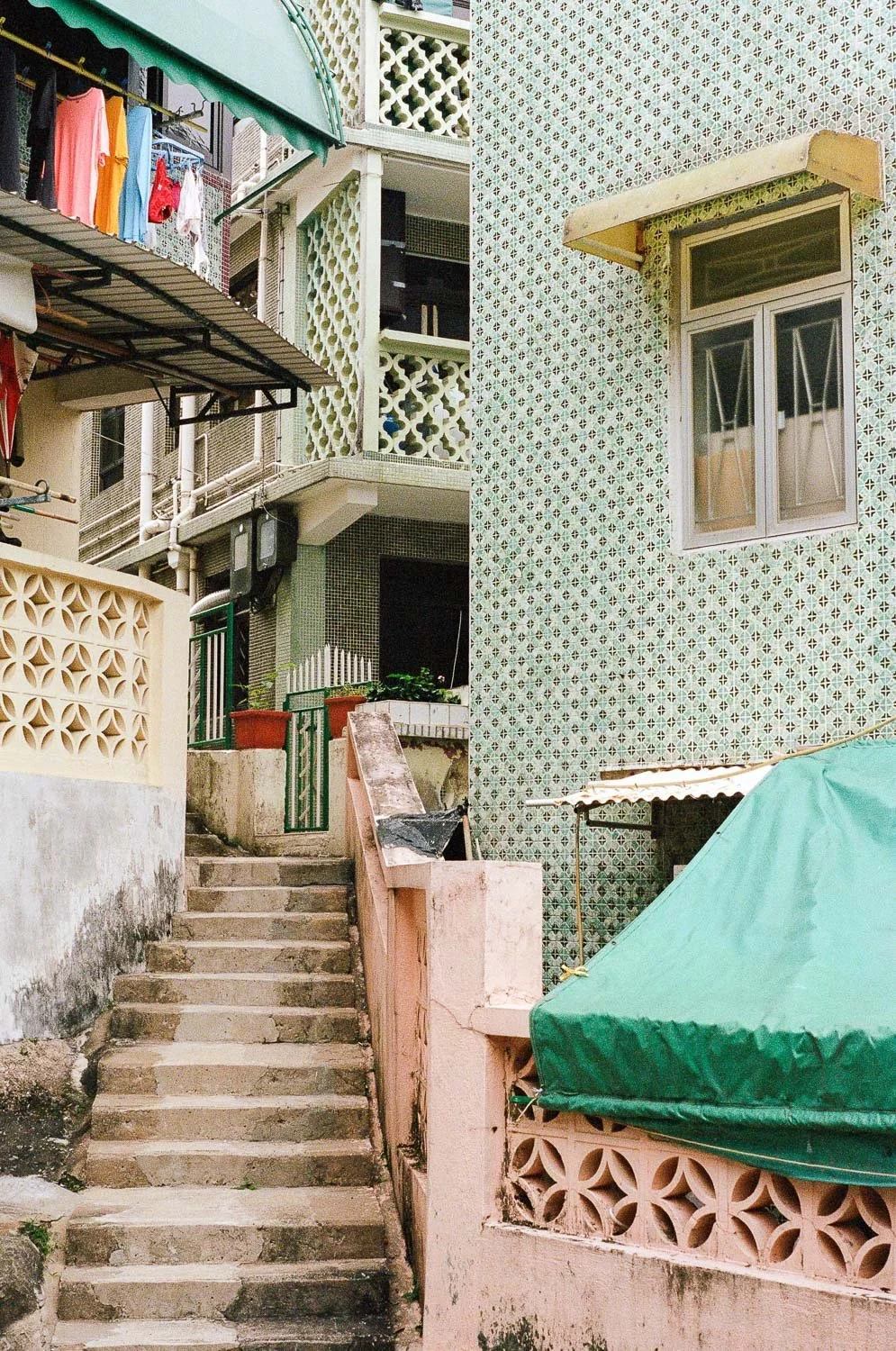
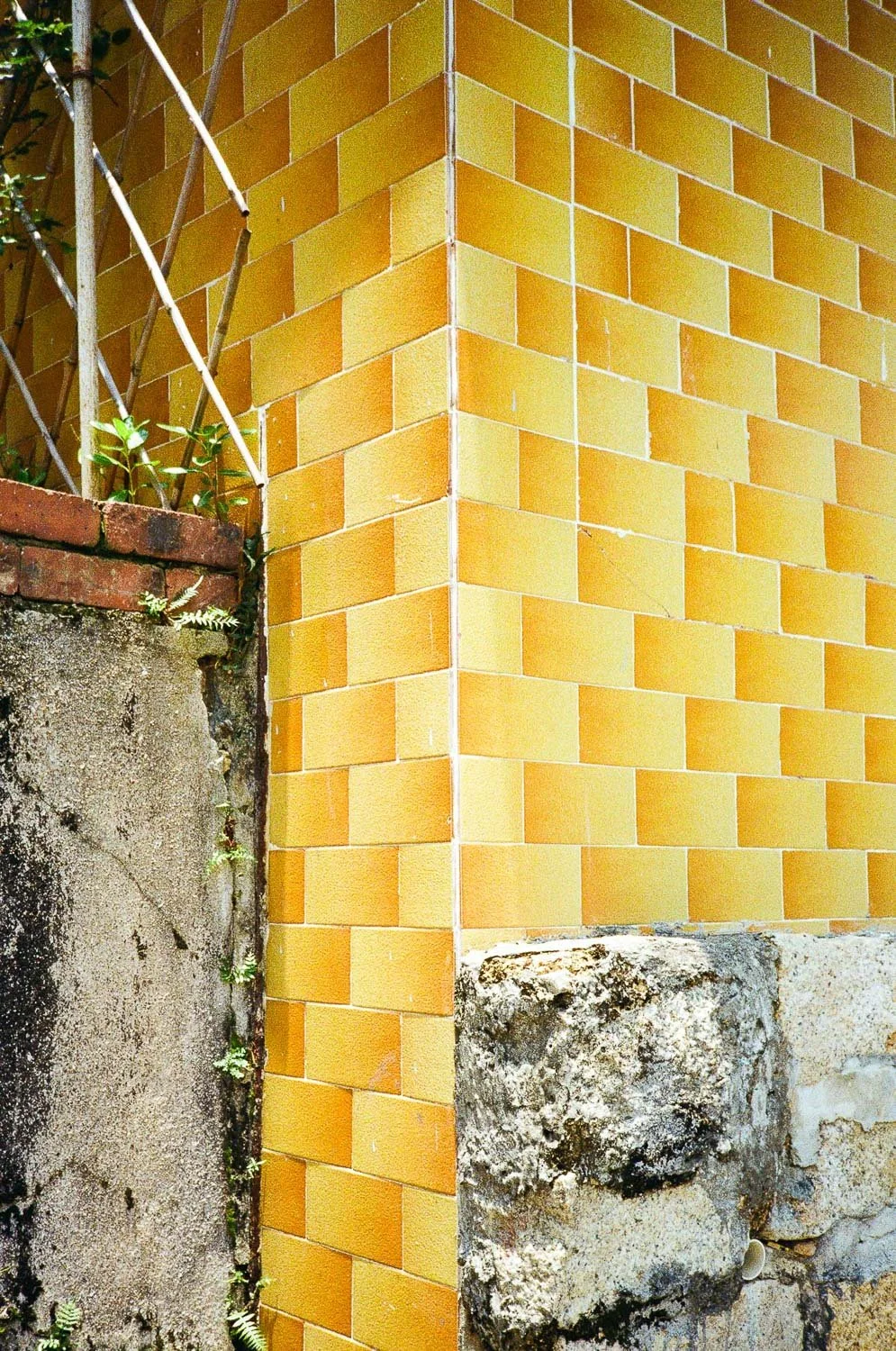

“Roland Barthes believed that the photograph is always “a certificate of presence.” Disappearance, too, is more a matter of presence rather than absence, of superimposition rather than erasure. Hence an elective affinity between the photograph and disappearance?
Photographing disappearance produces a thereness that is not quite there, a “concrete abstraction” (Henri Lefebvre).
It is not a question of empty lots and blurred images. Disappearance gives us not the poignancy of the ephemeral (“borrowed time, borrowed place”) nor the pathos of the diasporic, but the paradox of a space we have to second guess in order to experience. A flat montage of “lost dimensions” (Paul Virilio).
To photograph disappearance is not to defamiliarize, only that a sense of the unfamiliar grows out of forms that remain stubbornly familiar. Like the uncanny.
To look out for indices of disappearance is not the same as to fetishize, or to seize on a detail as a substitute gratification faute de mieux; rather, it is a matter of interrogating in detail the fetish itself.
If the traumatic image is the image about which there is nothing to say (Barthes again), then nothing is more traumatic than the nondescript.”
- excerpt from “Photographing Disappearance”, Hong Kong: Culture and the Politics of Disappearance, Ackbar Abbas